How To Get Moisture Out Of Car
Moisture inside your vehicle can lead to foggy windows, unpleasant odors, and even mold growth if left untreated. Learning how to get moisture out of your car is a simple process that helps protect your interior and improves visibility while driving. In this guide, you will learn the most effective ways to remove trapped humidity, identify common causes of dampness, and keep your cabin dry throughout the year. Follow these steps to restore a comfortable environment in your car.
Key Takeaways
- Identify the source of water, such as leaking seals or trapped snow, to solve the root problem.
- Use your vehicle’s climate control settings, specifically the air conditioning and defrost functions, to pull humidity from the air.
- Place moisture-absorbing materials like silica gel or specialized desiccants inside the cabin to capture lingering dampness.
- Dry wet upholstery immediately using towels and heat to prevent mold and mildew from taking hold.
Identify Why Your Car Is Damp
Before you start drying the interior, find out how the water got there. Moisture rarely appears without a source. If you ignore the origin, the problem will likely return after you finish your cleaning.
Common Sources of Interior Moisture
Rainwater often enters through damaged door or window seals. Check the rubber gaskets around your doors for cracks or gaps. If these seals fail, water can drip onto your floor mats whenever it rains. Another common source is tracked-in snow or mud. During winter, snow melts on your shoes and soaks into the carpets. If your vehicle has a sunroof, check the drainage tubes. These can become clogged with debris, causing water to overflow into the cabin.
Signs of Excess Humidity
The most obvious sign is internal fogging on the windshield. If the glass stays cloudy even after you wipe it, the air inside is likely saturated with water. You might also notice a musty, damp smell when you first enter the car. Check under your floor mats for damp spots or standing water. Sometimes the carpet feels slightly tacky or heavy even if you do not see visible puddles. If your windows freeze on the inside during cold weather, you have a significant moisture issue.
Simple Methods to Remove Moisture
Once you find the source, focus on extracting the humidity from the air and surfaces. You do not need expensive equipment to achieve good results. Basic tools and proper use of your car’s built-in systems often work well.
Use Your Vehicle Climate Control
Your car air conditioning system is a powerful dehumidifier. Even in cold weather, turning on the air conditioning along with the heat helps dry the air. The evaporator core inside the dashboard pulls moisture out of the air before blowing it back into the cabin. Set your ventilation to “fresh air” mode rather than “recirculate.” Recirculation traps the moist air inside the vehicle. By pulling in dry, outside air, you help push the damp air out through the car’s natural exhaust vents.
Deploy Desiccants and Moisture Absorbers
A desiccant is a substance that absorbs water from the air. You can buy commercial moisture absorbers designed for vehicles or household use. These products usually come in small bags or containers that sit on the floor or dashboard. Silica gel packs are another option for smaller areas. Place these near the base of the windshield to help clear fog. If you prefer a DIY approach, some people use socks filled with unscented silica cat litter. These items sit quietly in the cabin and capture excess humidity over time.
Improve Air Circulation
Stagnant air allows moisture to settle into fabrics. If the weather is dry and sunny, park your car in a safe spot and leave the windows cracked open by an inch or two. This allows a breeze to flow through the cabin and carry away trapped water vapor. If you have a garage, open the doors and windows of the car for several hours. This is safer than leaving the windows open in a public parking area. Cross-ventilation is the fastest way to replace humid interior air with dry, fresh air.
How to Dry Out Wet Carpets and Upholstery
Wet carpets are a primary cause of long-term interior damage. If the water reaches the padding beneath the carpet, it can stay damp for weeks. You must act quickly to extract this moisture before it leads to rust or mold.
Remove Standing Water
If you have a puddle on the floor, use a wet-dry vacuum to suck up as much water as possible. Do not just rely on towels. A vacuum pulls water from deep within the carpet fibers where a towel cannot reach. Continue vacuuming until no more water comes up through the nozzle. If you do not have a wet-dry vacuum, use a shop towel or a thick microfiber cloth to press down on the carpet. Keep switching to dry sections of the towel until they stop absorbing moisture.
Use Towels and Heat to Speed Up Drying
After you remove the surface water, place a layer of dry towels over the damp area. Put something heavy, like a stack of books or a brick, on top of the towels to apply pressure. This forces the remaining moisture to wick upward into the towel. You can also use a heater or a hair dryer to gently warm the area. Keep the heat source at a safe distance to avoid melting the carpet fibers or damaging plastic trim. Never leave a heater unattended inside a car, as it poses a fire risk.
Prevent Moisture from Returning
Keeping your car dry requires regular maintenance. Once you have cleared the current moisture, focus on habits that keep the cabin environment stable. Small changes make a big difference in the long run.
Check Your Door and Window Seals
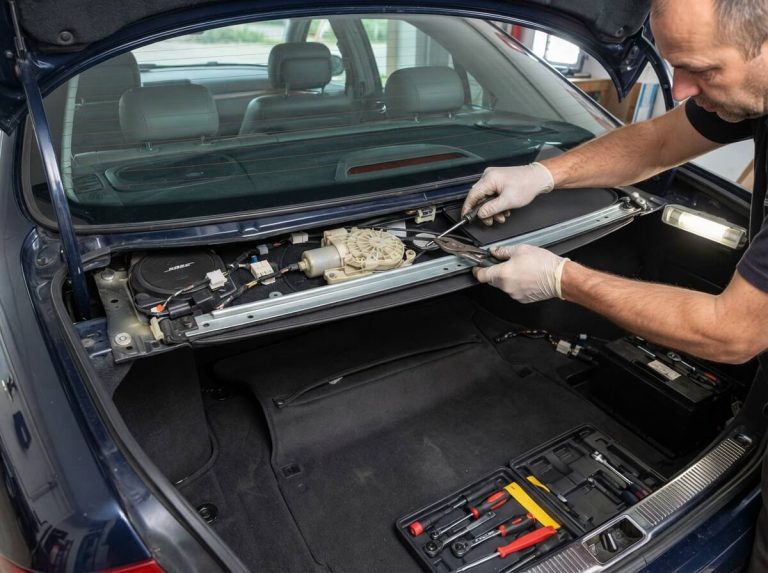
Inspect your rubber door seals every few months. If you see cracks, use a rubber conditioner to keep the material supple. If a seal is torn, replace it as soon as possible. This prevents water from entering the car during storms. Check the trunk seal as well. Water often pools in the spare tire well if the trunk gasket is faulty. This area is hidden, so you might not notice a leak until you smell mold or see rust forming on the frame.
Keep Your Cabin Clean and Debris-Free
Debris like leaves and dirt can trap moisture against your floor mats. Vacuum your car regularly to remove organic material that holds water. If you live in a snowy climate, use heavy-duty rubber floor mats during the winter. Rubber mats are easier to clean and do not absorb water like carpet mats. If your mats get wet, take them out of the car and dry them separately. This simple habit keeps your interior carpet dry and reduces the chance of odors.
Frequently Asked Questions
Why do my car windows fog up on the inside?
Windows fog because the warm, moist air inside the cabin hits the cold glass. The water vapor turns into liquid droplets, creating a layer of condensation. This indicates that your interior humidity levels are too high.
Can I use cat litter to dry out my car?
Yes, silica-based cat litter acts as an effective desiccant. Place the litter inside a porous cloth bag and leave it in the car to absorb humidity. Ensure the litter is unscented to avoid strong odors inside the cabin.
How long does it take for a wet car interior to dry?
Drying time depends on the amount of water and the outside temperature. A small spill might dry in a few hours, while soaked padding could take several days. Using heat and fans will significantly speed up the process.
Does running the air conditioner help remove moisture?
Running the air conditioner is one of the most effective ways to dehumidify the cabin. The system removes water from the intake air, which helps clear fog from the windows. Always keep the air settings on outside air rather than recirculate.
When should I see a professional for water leaks?
If you cannot find the source of the water or if the carpet stays wet despite your best efforts, visit a mechanic. They can use specialized tools to test for leaks in the seals or drainage systems. Professional intervention prevents structural damage to the car floor.
Conclusion
Getting moisture out of your car involves identifying the source, removing standing water, and using the right tools to dry the air. Start by checking your door seals and removing any debris that holds dampness. Use your air conditioner and dehumidifying agents to maintain a dry environment. Regular maintenance and quick action prevent long-term issues like mold and rust. By keeping the cabin clean and dry, you ensure a comfortable and safe driving experience. If the problem persists, do not hesitate to ask a professional for help to protect your vehicle.

Peterson is an automotive enthusiast and auto parts reviewer with a passion for vehicle maintenance, upgrades, and performance. He enjoys researching and testing car parts, tools, and accessories to help drivers make informed buying decisions. Through AutoPartsTalk.com, Peterson shares honest reviews, practical maintenance tips, and expert guides to keep vehicles running safely and efficiently.