
5 Best Deep Cycle Battery For SUV In 2026
As an Amazon Associate we earn from qualifying purchases.
Deep cycle batteries for SUV setups require a look at how different designs handle energy storage and power delivery. Many vehicle owners use these units to run extra electronics, camping gear, or specialized equipment without straining the main starting battery. This guide examines popular options based on their published features, capacity, and intended use cases to help you find a reliable match for your vehicle.
The following comparison relies on manufacturer specifications and common characteristics of Absorbent Glass Mat (AGM) technology. Because every vehicle has different electrical demands, these details focus on the technical capabilities of each unit rather than personal experience. This overview aims to provide a clear starting point for beginners looking to upgrade or replace their power storage systems.



1. Renogy 12 Volt 100Ah Deep Cycle AGM: best for off-grid power
Overview of this 100Ah unit
This battery is designed for those who need consistent power for appliances like small fridges, laptops, or CPAP machines. It uses AGM chemistry, which means the electrolyte is held in fiberglass mats rather than a liquid state. This design makes it a stable choice for mobile setups in campers, SUVs, or off-grid cabins. The sealed housing prevents leaks and spills, which is important for interior vehicle mounting.
Key features for daily use
The unit features a sealed design that prevents the need for internal maintenance or liquid level checks. It is built to handle extreme temperatures, ranging from -4 degrees to 140 degrees Fahrenheit. This wide range is helpful for drivers who travel through varying climates and need reliable power regardless of the weather outside. The construction uses corrosion-resistant grids to improve the overall lifespan of the battery.
Performance and capacity
With a 100Ah capacity, this battery provides enough energy to run most standard home appliances for extended periods. It supports a 1100A max discharge current for short bursts, which is useful when starting devices that require an initial surge of power. The low self-discharge rate of under 3 percent per month means it holds its charge well during periods of inactivity. This performance profile makes it suitable for frequent cycling in solar-powered or auxiliary battery systems.
Pros
- Stable chemical composition for safe operation.
- Wide temperature tolerance for diverse climates.
- Low self-discharge rate for long-term storage.
- Capable of powering a variety of small appliances.
- Resistant to leaks due to the sealed AGM design.
Cons
- Weight may be significant for small storage areas.
- Requires proper ventilation for specific installations.
- Limited to upright or side installation positions.
- Heavy build requires secure mounting hardware to prevent movement.
2. Wuldnmar G47 AGM Car Battery 12V 62Ah 700CCA: best for start-stop vehicles
Purpose and design
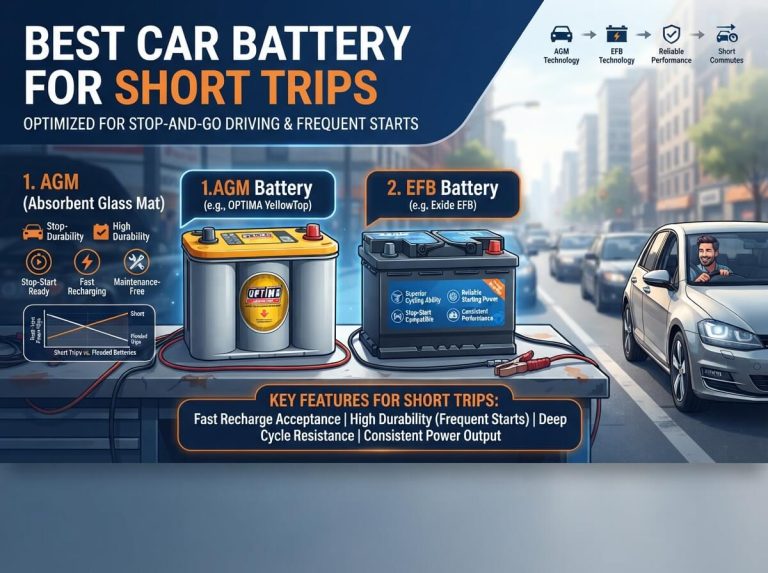
This battery is specifically engineered for modern vehicles that utilize start-stop technology, where the engine shuts off at traffic lights to save fuel. It fits the Group H5/L2 size category, making it a direct replacement for many standard SUV and car battery trays. Its design focuses on providing reliable starting power while also acting as a deep cycle energy source. Because start-stop systems cycle the engine frequently, the internal plates are built to handle repetitive stress that would cause standard flooded batteries to fail prematurely.
Technical capabilities
The unit offers 62Ah capacity and provides between 640 and 700 Cold Cranking Amps (CCA). These specifications ensure that the vehicle starts reliably even in freezing conditions. The AGM construction is vibration-resistant, which helps protect the internal components from the bumps and jolts common during daily driving. This construction uses glass mat separators to hold the electrolyte in place, which prevents internal shorts caused by road vibration. The high CCA rating provides the necessary surge of energy to turn over larger engines during cold mornings.
Efficiency in operation
Because it is maintenance-free and sealed, there is no need to check fluid levels or perform routine upkeep. The design supports fast recharging, which is essential for vehicles that rely on short drives to top off the battery. It is a practical choice for drivers who want a balance between engine starting duties and powering vehicle electronics. The sealed valve-regulated design also prevents the leakage of gases or acid, keeping the engine bay clean and free from corrosion. This efficiency helps preserve the life of the alternator by reducing the recharge time required after each engine start.
Pros
- Compatible with modern start-stop vehicle systems.
- High vibration resistance for rough road conditions.
- Maintenance-free sealed design for easy ownership.
- Reliable cold-weather starting performance.
- Resistant to internal shorts from heavy road use.
Cons
- Lower total capacity compared to dedicated deep cycle units.
- Specific size must match the vehicle’s existing tray.
- Terminal layout requires verification before purchase.
- Higher cost than traditional flooded lead-acid alternatives.
3. Newport 12V 50Ah Deep Cycle AGM Marine: best for portable electronics
Ideal use cases
While labeled for marine use, this 50Ah battery is a versatile option for small SUVs or hatchbacks where space is limited. It is designed to provide steady, long-lasting power for electronics like trolling motors or mobile charging stations. Its compact size makes it a good fit for users who need to move the power source from the vehicle to a boat or campsite. It handles consistent energy draws well, making it suitable for powering lights, portable refrigerators, or small fans during extended stays away from a power grid.
Construction and reliability
The sealed AGM construction ensures the unit is spill-proof and requires no ongoing maintenance. It is built to handle the constant, steady discharge required by small motors and boating electronics. This makes it a dependable choice for those who need a reliable power supply for outdoor activities. The internal plate design allows for deep discharge cycles without suffering the rapid capacity loss often seen in starting batteries. This durability ensures a consistent voltage output until the battery reaches its discharge limit.
Portability and installation
The manageable size and weight allow for easy transport and storage. It provides a straightforward 12V output that works with standard charging equipment. For beginners, this unit represents a simple, no-fuss approach to adding extra capacity to a vehicle electrical system. Users can secure it in a battery box to prevent movement while driving on uneven terrain. The terminals are positioned to allow for quick connection and disconnection, which simplifies the process of charging the unit away from the vehicle.
Pros
- Compact and portable for easy transport.
- Dependable output for small electronic devices.
- Spill-proof design for added safety.
- Straightforward installation for beginners.
- Ideal for deep discharge cycles in outdoor settings.
Cons
- Lower capacity limits its use for high-draw appliances.
- Not intended for heavy-duty starting power.
- Requires careful placement to avoid damage.
- Limited to low-amperage electronics and accessories.
4. Renogy 12 Volt 200Ah Deep Cycle AGM: best for high-capacity needs
Heavy-duty power storage
This 200Ah battery is a larger, more robust version of standard deep cycle units. It provides significant energy capacity for long trips, remote camping, or running multiple appliances simultaneously. Users often pair this unit with solar panels to maintain a steady charge during extended off-grid stays. With its quinary alloy plates, the battery offers low internal resistance and high discharge current capability. This construction helps the unit handle the heavy electrical loads required by refrigerators, water pumps, or power inverters. It provides a steady flow of energy rather than the short, sharp bursts needed to start an engine.
Advanced features
The unit operates efficiently even in temperatures below freezing. Its advanced valve-regulated technology prevents acid leakage, which ensures the battery remains safe for use inside a vehicle or cabin. Because the electrolyte is suspended in a fiberglass mat, the unit resists vibration damage during travel on bumpy roads. Like other high-quality AGM batteries, it features a very low self-discharge rate. This makes it reliable for seasonal use or for systems that sit idle for weeks. It maintains its charge levels well when disconnected from a charging source, provided it remains in a cool environment.
Maintenance and care
The battery is maintenance-free, meaning it never needs water refills. The manufacturer recommends installing it in an upright position to ensure long-term reliability and proper internal chemical function. Because it is a heavy unit, it requires a secure, flat mounting location within the vehicle to prevent shifting during transit. This battery serves as a powerful foundation for a complex off-grid or auxiliary power system. It acts as a primary reservoir for lighting, fans, and communication devices. Proper ventilation is still a good practice, even though the valve-regulated design manages gas release effectively.
Pros
- Large 200Ah capacity for extended power needs.
- Excellent performance in cold weather conditions.
- High discharge current for demanding equipment.
- Maintenance-free design with no risk of spills.
- Vibration-resistant construction for mobile environments.
Cons
- Significant weight requires a sturdy mounting area.
- Larger footprint demands more space in the vehicle.
- Higher cost reflects the increased energy capacity.
- Requires heavy-duty cabling to handle the potential current.
5. Interstate Batteries 12V 35Ah SLA AGM Deep: best for mobility and small devices
Specialized application
This 35Ah battery is primarily designed for mobility devices such as electric scooters and wheelchairs. Its deep cycle nature also makes it useful for small auxiliary power needs in an SUV, such as powering an LED light bar or a portable fan. It is a professional-grade unit built to withstand the rigors of heavy-demand usage. The compact size allows it to fit into tight spaces where larger batteries simply cannot go. Its form factor makes it ideal for custom builds where weight distribution is a priority. It provides a consistent power output for devices that require a steady, low-voltage supply over several hours.
Quality and dependability
Interstate Batteries uses a strict testing protocol to ensure each unit meets high performance standards. The AGM and valve-regulated design eliminates the risk of spills and overpressure. This makes it a safe choice for indoor or enclosed vehicle installations where air circulation might be limited. It is a proven option for those who prioritize reliability and long-term service. The internal chemistry resists sulfation when maintained with proper charging habits. Users find that this unit holds its voltage well throughout the discharge cycle, ensuring consistent performance for connected electronics.
Installation and compatibility
The battery uses an insert terminal with a bolt, which simplifies the connection process for many devices. It is compatible with a wide range of mobility equipment and small electronics. For beginners, the clear documentation and reputation of the brand provide peace of mind for their power solution. Connection is straightforward, but users should ensure the bolt is tightened to the correct torque to prevent loose contact. This prevents heat buildup at the connection point. The compact footprint allows for easier integration into existing electrical panels or custom enclosures.
Pros
- High-quality construction for dependable daily use.
- Compact size fits into restricted vehicle spaces.
- Spill-proof and maintenance-free operation.
- Trusted brand with extensive support documentation.
- Easy to handle due to the manageable weight.
Cons
- Limited capacity for running large appliances.
- Specific terminal type may need adapter cables.
- Not designed for vehicle engine starting duties.
- Requires a compatible charger for AGM chemistry.
Comparison of deep cycle battery performance
When evaluating these options, the main differences lie in capacity, size, and intended use. The Renogy 200Ah model stands out for long-duration power, whereas the Wuldnmar G47 is the only option here specifically optimized for vehicle start-stop systems. Capacity is measured in Amp-hours (Ah), which tells you how much energy the battery can store.
A 200Ah battery can theoretically run a low-draw device for twice as long as a 100Ah battery, assuming other factors remain constant. Ease of use is fairly consistent across all five models, as they are all AGM-based and maintenance-free. However, the physical dimensions differ significantly. The Interstate 35Ah and Newport 50Ah models are much easier to handle and install in tight SUV compartments compared to the heavy Renogy 200Ah unit.
If you need to move the battery frequently, the lighter options are superior. Value for money depends on your specific power requirements. If you only need to charge a phone or run a small LED light, the smaller Interstate or Newport batteries provide excellent value. If you plan to power a fridge or microwave, the higher cost of a 100Ah or 200Ah Renogy unit is necessary to avoid running out of power. Always match the battery capacity to your total daily energy consumption.
Buying guide: how to pick the right power source
The most important factor is the intended use. If the battery will stay inside the engine bay, it must be rated for automotive starting or start-stop cycles. If you are building an auxiliary system for camping, look for a dedicated deep cycle battery like the Renogy models. Deep cycle batteries are designed to be discharged significantly without damaging their internal plates, which makes them different from standard starting batteries. Next, consider the physical space available in your vehicle.
Batteries are heavy and require a secure, flat surface for installation. Measure your mounting tray or storage box before buying to ensure the battery fits. Also, check the terminal orientation and type. Some batteries use flat bolt-down terminals, while others use standard automotive posts, and mismatching these can make installation difficult or impossible without extra adapters.
Capacity is the next crucial metric. A common mistake is buying a battery that is too small for the intended load. Calculate the total power consumption of your devices in Watts and the time you expect to run them. If you plan to power a portable fridge, a 50Ah battery might struggle to last an entire weekend, whereas a 100Ah or 200Ah model would provide a much larger safety margin.
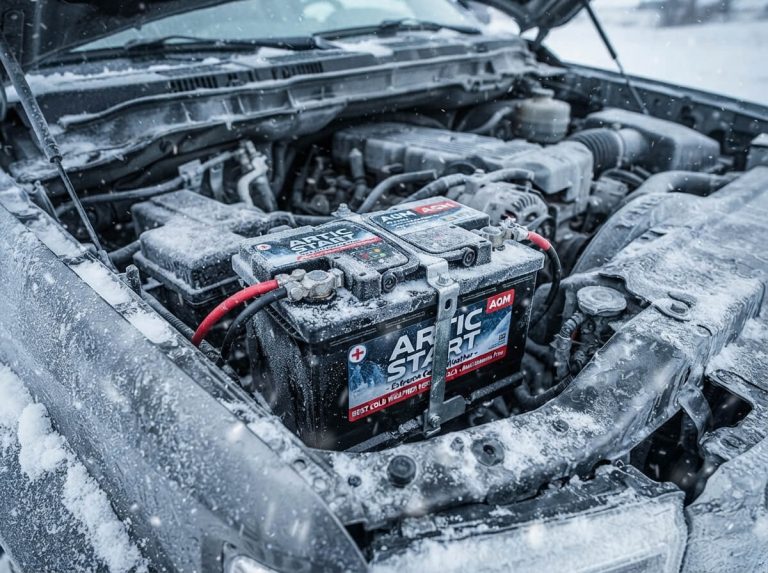
Temperature tolerance is another factor that often goes overlooked. If you travel to cold climates, ensure the battery chemistry is rated for low-temperature performance. All AGM batteries listed here handle temperature changes better than older flooded lead-acid designs, but some are specifically engineered for extreme ranges. This ensures you do not lose significant capacity during a cold night at a campsite.
Finally, consider the charging method. Deep cycle batteries need a compatible charger that can handle the specific voltage requirements of AGM technology. Using an incorrect charger can shorten the lifespan of the battery. Ensure your vehicle’s alternator or your portable solar system can provide a proper charge profile to keep the unit healthy over many years.
Who should buy these products
Finding the right battery depends on your lifestyle and the equipment you carry in your SUV. If you are a daily commuter who drives a modern vehicle with a start-stop engine system, the Wuldnmar G47 is the logical choice. It is designed to handle the frequent cycling required by these engines while also providing the starting power necessary for cold mornings.
For the weekend camper or overlander who needs to power a portable fridge, lights, and laptop charging, the Renogy 100Ah AGM is a versatile middle ground. It offers enough capacity to run multiple devices for a full day without needing a recharge. It is the standard choice for those who want a reliable, stationary power system inside their vehicle. If you are a long-term traveler or someone who spends weeks off-grid, the Renogy 200Ah AGM is the best investment.
It provides the maximum energy storage of the group, allowing you to run larger appliances or stay stationary for longer periods without needing to drive to recharge. It is a heavy-duty solution for those with enough space to secure a larger unit. For users who need a portable power source for small electronics, such as trolling motors, portable fans, or medical equipment, the Newport 50Ah battery is excellent. Its weight and size make it easy to move, and it provides steady power for these smaller loads. It is a great starting point for beginners who are just beginning to add auxiliary power to their gear.
Finally, the Interstate 35Ah battery is perfect for specialized needs. If you are powering mobility devices or very compact electronics in a small SUV, this unit provides professional-grade reliability in a small package. Its compact dimensions make it the most flexible option for tight, unconventional mounting locations where other batteries would simply not fit.
Final verdict
The best deep cycle battery for SUV use is not necessarily the largest or the most expensive, but the one that matches your specific energy needs and vehicle space. For most auxiliary power setups, the Renogy 100Ah AGM offers a balanced mix of capacity, durability, and ease of use. It is capable of handling the most common camping and off-grid demands without being excessively heavy or difficult to install.
For those with specific vehicle requirements, such as a start-stop engine, the Wuldnmar G47 is the clear winner for maintaining vehicle function. If your priority is maximum capacity for extended trips, the Renogy 200Ah model provides the necessary energy, provided you have the space to mount it securely. Smaller needs are well-served by the Newport 50Ah or Interstate 35Ah units, which prioritize portability and space efficiency.
Regardless of the model you select, always ensure the installation is secure and the connections are tight. A well-maintained AGM battery will provide years of service if it is not pushed beyond its limits and is kept properly charged. Assessing your load requirements before purchase remains the most effective way to ensure you get the performance you expect from your power system.
Frequently Asked Questions
What is the difference between a starting battery and a deep cycle battery?
A starting battery is designed to provide a massive burst of power for a few seconds to crank an engine. A deep cycle battery is built to provide a steady, consistent flow of power over a much longer period, which makes it ideal for running electronics and appliances.
Can I use an AGM battery inside my SUV?
Yes, AGM batteries are sealed and spill-proof, which makes them safe for use inside a vehicle cabin or storage area. They do not release harmful gases during normal operation like older flooded lead-acid batteries, though you should still ensure they are mounted securely to prevent movement.
How long will these batteries last on a single charge?
The runtime depends entirely on how much power your devices consume. If you have a 100Ah battery and a device that draws 10 Amps, you can theoretically run it for about 10 hours. It is best to avoid discharging a deep cycle battery fully to protect its long-term health.
Do I need a special charger for these AGM batteries?
It is highly recommended to use a charger that has an AGM-specific setting. These chargers adjust the voltage and current to properly charge the glass mat internal structure, which helps extend the life of the battery and ensures it reaches a full state of charge.
Should I store my battery in a specific way during winter?
If you are not using the battery for a long period, store it in a cool, dry place and ensure it is fully charged. Because these batteries have a low self-discharge rate, they will hold that charge for months, but checking the voltage occasionally is good practice to ensure it stays healthy.

Peterson is an automotive enthusiast and auto parts reviewer with a passion for vehicle maintenance, upgrades, and performance. He enjoys researching and testing car parts, tools, and accessories to help drivers make informed buying decisions. Through AutoPartsTalk.com, Peterson shares honest reviews, practical maintenance tips, and expert guides to keep vehicles running safely and efficiently.
One Comment