5 Best Car Battery Under $200 In 2026
As an Amazon Associate we earn from qualifying purchases.
Finding the right power source for your vehicle does not have to be expensive. This guide helps beginners identify the best car battery under $200 by comparing popular AGM models based on their core technical specifications and intended daily use. These products share a common design philosophy centered on Absorbed Glass Mat (AGM) technology.
This construction offers spill-proof safety and reliable performance for modern vehicles, regardless of the brand or specific model you choose. AGM batteries replace the traditional flooded lead-acid design with fine fiberglass mats that absorb the electrolyte. This creates a dense, stable internal structure that performs well under the stresses of daily driving.




1. Mighty Max Battery MM-H6 Start and Stop: Best for Versatility
This unit is a strong seller designed to provide steady starting power for vehicles that require a Group 48 battery. It is built to handle the demands of modern engines, including those with frequent start-stop cycles. Start-stop technology forces a battery to cycle on and off repeatedly during a single trip, which increases the strain on internal plates. This battery utilizes durable lead-calcium alloy plates to withstand that frequent cycling without losing capacity.
Performance and Reliability
The battery delivers 760 cold cranking amps, which is a measure of its ability to start an engine in freezing temperatures. It also features a 120-minute reserve capacity, meaning it can power your vehicle’s electrical systems for a longer duration if the alternator is not running. This reserve capacity allows you to use headlights, interior lights, or audio systems while the engine is off without immediate concern for battery depletion. The AGM design means the electrolyte is held in glass mats rather than sitting as a liquid. This makes the battery leak-proof and more resistant to the vibration that naturally occurs while driving. Because the electrolyte is immobilized, the battery remains functional even if the outer casing sustains minor physical damage.
Installation and Daily Use
Because of its sealed design, you can mount this battery in several positions, though it should never be placed upside down. The rugged construction helps it withstand a wide range of temperatures, making it a solid choice for drivers in various climates. Its design eliminates the need for periodic water maintenance, as the oxygen and hydrogen gases recombine internally.
Pros
- Sealed AGM design prevents spills.
- High reserve capacity for longer power duration.
- Versatile mounting options for different engine bays.
- Designed to resist the stress of frequent start-stop engine cycles.
Cons
- Requires careful verification of group size.
- Heavy build can make installation physically demanding.
- Limited to specific vehicle group size requirements.
- Price may fluctuate near the budget threshold.
2. Mighty Max Battery MM-G35 Start and Stop: Best for Compact Needs
This Group 35 battery is another strong seller that brings AGM reliability to a slightly smaller physical footprint. It provides 650 cold cranking amps, balancing power with the needs of standard passenger vehicles. The Group 35 size is common in many Japanese and domestic sedans, making this a frequent choice for basic maintenance.
Energy and Endurance
The 100-minute reserve capacity ensures that your car’s electronics remain powered even during short stops. Its internal construction is designed to recover well from deep discharges, which is a common stressor for vehicle batteries. Deep discharge occurs when the battery is drained significantly, such as leaving a light on overnight, and the AGM plates are optimized to accept a charge again without permanent capacity loss. The internal build focuses on resisting shock and vibration. This is important for daily commuters who frequently drive on uneven roads or in stop-and-go traffic conditions. Constant vibration can shake the active material off the lead plates in traditional batteries, but the tight compression of the AGM mats prevents this degradation.
Usage Considerations
This battery is built in an ISO-certified facility to maintain consistent quality standards. It is a straightforward replacement for vehicles that specify a Group 35 size and require the safety benefits of an AGM battery. The terminal posts are designed for standard automotive cable clamps, ensuring a firm electrical connection that does not loosen over time.
Pros
- Rugged build resists vibration damage.
- Good deep discharge recovery.
- Certified safety standards for consistent quality.
- Compact size fits standard Group 35 battery trays.
Cons
- Lower cold cranking amps than larger models.
- Not suitable for heavy-duty truck requirements.
- Requires specific Group 35 compatibility.
- Reserve capacity is lower than H6 variants.
3. Weize Platinum AGM Battery Group 94R H7: Best for High Power
With 850 cold cranking amps and an 80-amp-hour capacity, this battery is intended for vehicles that demand significant electrical output. It is a strong seller that supports advanced start-stop systems and modern electronic accessories. This battery provides the consistent voltage required to keep navigation screens, heated seats, and advanced safety sensors running smoothly even when the engine is off.
Technical Capabilities
The 140-minute reserve capacity is among the higher end for this price category. This allows it to support demanding electronics without draining the battery too quickly during idle periods. If you frequently use your vehicle for short trips or keep the radio on while parked, this reserve capacity helps prevent the battery from losing its charge. The internal design resists internal corrosion caused by heat, which is a major factor in battery longevity. It also offers a low self-discharge rate, meaning it holds its charge well when the vehicle sits idle for a few days. The AGM construction ensures that electrolyte fluid remains suspended in fiberglass mats rather than sloshing around, which improves vibration resistance.
Installation and Maintenance
The battery features a leak-proof, maintenance-free design. Because the internal components are sealed, you never need to add water or check acid levels. It is important to verify your vehicle’s terminal position—left negative and right positive—before installation to ensure the cables reach the posts correctly. Because this is a heavy-duty unit, the physical size is larger than entry-level batteries. Check your vehicle’s battery tray dimensions to ensure there is enough clearance for the casing. Using the correct hold-down bracket is also vital to keep the battery stable and prevent shifting during turns or sudden stops.
Pros
- High cold cranking amps for reliable starting.
- Excellent reserve capacity for electronics.
- Low self-discharge rate for longer storage.
- Vibration-resistant construction for rough roads.
Cons
- Large physical dimensions require extra space.
- Heavy weight increases difficulty during handling.
- Must confirm cable orientation before purchase.
- Higher upfront investment than basic flooded batteries.
4. Weize Platinum AGM Battery Group 35: Best for Climate Resistance
This Group 35 model is designed to handle extreme temperature swings, from deep cold to intense heat. Like other units in this line, it is a strong seller that emphasizes durability through its glass fiber mat construction. The design focuses on maintaining a steady flow of power regardless of the outside weather conditions.
Performance Under Stress
The 650 cold cranking amps provide the necessary boost for cold-weather starts. Its ability to handle high electrical loads makes it a practical choice for cars equipped with modern fuel-saving technologies. When the temperature drops, the chemical reaction inside the battery slows down; this unit is engineered to overcome that hurdle to start your engine reliably. AGM batteries are naturally more resistant to heat than traditional flooded batteries. This unit takes advantage of that to ensure consistent performance in hot climates where standard batteries might fail prematurely. Heat causes fluid evaporation in older battery styles, but the sealed nature of this AGM model keeps the internal chemistry stable.
Safety and Durability
The sealed construction significantly reduces the risk of acid leaks and corrosion. Because the acid is absorbed into the mats, it is less likely to damage the surrounding parts of your engine bay over time. This design also makes the battery safer to handle, as there is no liquid acid that can spill if the casing is tilted or dropped during installation. The exterior casing is built to withstand pressure changes and physical impacts common in a car engine bay. By minimizing internal movement of the plates, the battery maintains its structural integrity over thousands of miles. This durability translates into a longer service life, even under the stress of daily commuting.
Pros
- High heat and cold resistance.
- Lower risk of acid leaks.
- Designed for stop-start vehicle technology.
- Maintenance-free operation throughout its lifespan.
Cons
- Requires specific Group 35 fitment.
- Cannot be replaced by a standard flooded battery.
- Higher cost compared to basic lead-acid types.
- Requires a compatible charging system for best results.
5. Weize Platinum AGM Battery Group 24F: Best for All-Season Reliability
The Group 24F model offers 710 cold cranking amps and a 120-minute reserve capacity. It provides a robust option for drivers who need a reliable, all-season power source for their car or SUV. This battery design focuses on consistent power delivery. It performs well in cold conditions when engines require more energy to start.
Operational Efficiency
This battery supports modern regenerative braking and stop-start systems. It is built to offer up to twice the cycle life of a standard flooded battery, making it a durable choice for long-term use. The internal construction uses an absorbent glass mat to hold the electrolyte. This design prevents acid stratification and improves vibration resistance during daily driving. The low self-discharge rate is helpful for vehicles that are not driven every day. It maintains its charge effectively even when the car is parked for extended periods. This characteristic makes it a practical choice for secondary vehicles or weekend cars. It reduces the risk of finding a dead battery after the vehicle sits in the garage for a week or two.
Installation and Fitment
As with other AGM batteries, this unit is maintenance-free and features a non-spillable design. You do not need to add water or perform routine servicing on the internal components. Always check your vehicle manual to ensure the 24F size and terminal layout match your existing setup. The physical dimensions must align with your battery tray to prevent movement during travel. Verify that your cables reach the terminals without excessive tension. Using the wrong size can lead to loose connections or electrical shorts that damage the vehicle’s charging system.
Pros
- Longer cycle life than conventional batteries.
- Reliable performance in varied temperatures.
- Supports modern fuel-saving vehicle features.
- Sealed design prevents leaking or acid spills.
Cons
- Specific terminal orientation must match vehicle.
- Size may not fit all car makes.
- Requires AGM-compatible charging systems.
- Higher initial cost than flooded lead-acid alternatives.
Comparison Insights
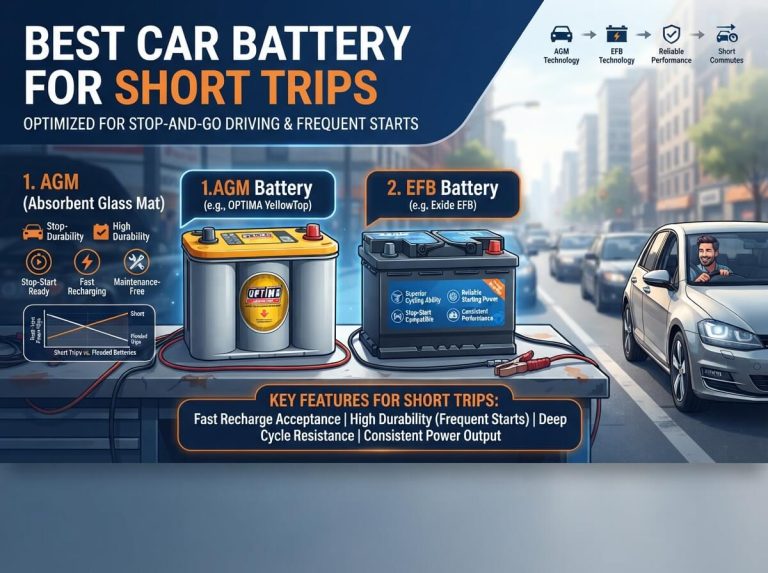
When looking for the best car battery, performance differences often come down to capacity and cold cranking amps. Models like the Weize Platinum 94R H7 offer the highest cold cranking amps, which is ideal if you live in an area with harsh winters. If your primary concern is convenience and the ability to handle frequent short trips, the models with higher reserve capacities, such as the Mighty Max MM-H6, provide a safety net.
Reserve capacity determines how long your car can run on battery power alone if the charging system is strained. Value for money in this category is high because AGM batteries generally last longer than traditional flooded batteries. The reduced maintenance and longer cycle life often balance the initial investment over the life of the vehicle.
Ease of use is consistent across all these units due to their sealed, maintenance-free designs. You do not need to check electrolyte levels or clean corrosion off the caps. The main challenge remains ensuring the physical dimensions and terminal layout match your vehicle’s specific requirements.
Check your current battery label for the BCI group size code before buying. Matching this code ensures the battery fits the original hold-down hardware. These batteries provide stable voltage for electronic accessories, keeping your lights bright and your sensors accurate.
Buying Guide: Key Factors for Beginners
The most important factor is confirming the correct group size for your vehicle. Group size refers to the physical dimensions and the location of the terminals. You can find this information in your car’s owner manual or by checking the label on your current battery.
Batteries come in standardized sizes to fit specific battery trays. An incorrect size may prevent the hold-down clamp from securing the battery, which leads to dangerous movement while driving. Always verify the manufacturer specifications before finalizing a purchase.
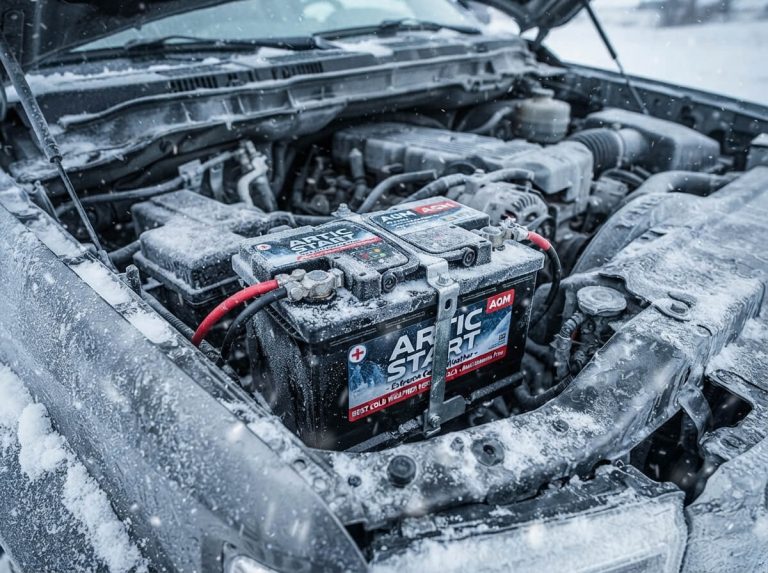
Cold Cranking Amps (CCA) is another vital number. It tells you how much power the battery can provide to start the engine in cold weather. If you live in a cold climate, prioritize a higher CCA rating to ensure your car starts on the coldest mornings.
Low temperatures increase engine oil viscosity, which makes the engine harder to turn over. A battery with insufficient CCA may fail to provide the initial burst of energy needed to overcome this resistance. Check your manual for the minimum CCA requirement recommended by your car maker.
Reserve Capacity (RC) measures how many minutes the battery can provide a constant current before its voltage drops. A higher RC number is better if you have many electronic accessories or if you often drive in stop-and-go traffic that keeps the engine at low speeds.
This rating is useful if you accidentally leave your lights on or use your radio while the engine is off. A battery with higher reserve capacity provides a safety margin for your vehicle’s electrical systems. This helps prevent a dead battery in unexpected situations.
AGM technology is the standard for modern cars. If your vehicle came with an AGM battery, it is important to replace it with another AGM battery. Using a standard flooded battery in an AGM-designed car can lead to poor performance and a shorter lifespan for the new battery.
AGM batteries use a glass mat separator to hold the electrolyte in place. This design makes them spill-proof and resistant to vibration. These batteries also recharge faster and handle the demands of modern electrical systems better than older flooded designs.
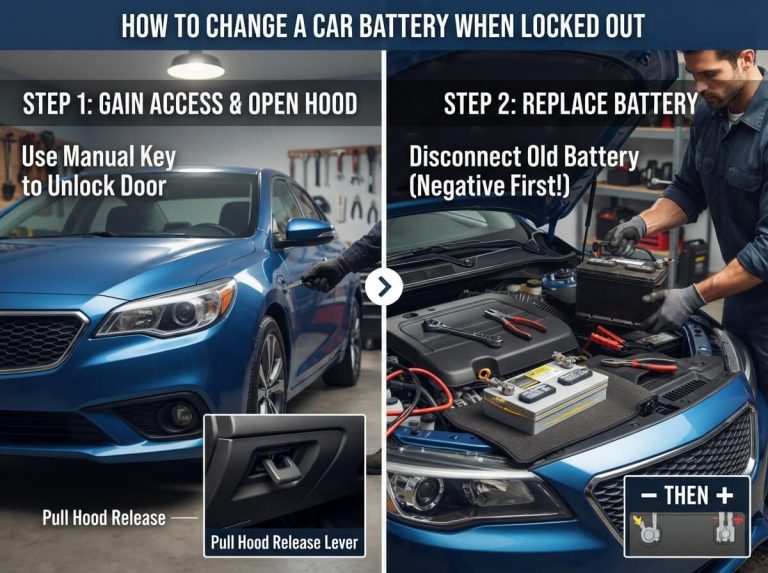
Check the terminal configuration before you buy. Some batteries have positive and negative posts on the left, while others have them on the right. If you buy the wrong one, your battery cables may not be long enough to reach the posts, making installation impossible.
Cables are cut to specific lengths at the factory to reach the terminals in a set location. Forcing the cables to stretch or twisting them to reach the wrong side causes stress on the connections. Always look at the top of your existing battery to confirm where the positive and negative signs are located.
Who Should Buy These Products
If you drive a modern car with a start-stop engine feature, the Weize Platinum series is a strong candidate. These batteries are specifically engineered to handle the constant cycling that start-stop systems require, which would quickly wear out a basic battery.
Start-stop systems shut off the engine at red lights to save fuel. This puts significant strain on the battery because it must restart the engine dozens of times during a single commute. These batteries use specialized plates to withstand this heavy duty cycle.
For those who live in extreme climates, the Weize Platinum Group 35 or Group 24F units are excellent choices. Their ability to resist heat-induced corrosion and provide reliable cold-weather starts makes them versatile for almost any environment.
Heat is actually harder on batteries than cold weather because it accelerates internal corrosion. These units use materials designed to slow down this degradation. This ensures consistent performance throughout the life of the battery even in high-heat regions.
If you have a vehicle that requires a Group 48 battery and you prioritize versatility, the Mighty Max MM-H6 is a solid pick. Its ability to be mounted in various positions provides flexibility for those with tight or uniquely shaped engine bays.
Many modern engine compartments are cramped, leaving little room for maintenance or part replacement. The spill-proof design of this battery allows it to be placed on its side if necessary. This provides installation options that standard batteries cannot offer.
Drivers who prioritize a balance of power and cost for a standard commuter vehicle should look at the Mighty Max MM-G35. It provides the essential benefits of AGM technology without the extra bulk or cost of the higher-capacity professional-grade models.
This model works well for daily drivers that do not have advanced power-hungry features. It offers the reliability of AGM construction while remaining accessible for budget-conscious owners. It is a practical solution for standard passenger cars and light trucks.
Final Verdict
The best car battery under $200 depends on your vehicle’s specific physical and electrical requirements. For high-performance needs and heavy electronic loads, the Weize Platinum 94R H7 offers the most power and reserve capacity.
A battery with higher reserve capacity keeps your lights, infotainment system, and security alarms running longer when the engine is off. This is helpful if you frequently use accessories or if your vehicle has complex onboard computer systems that draw power constantly.
If you need a reliable, all-around performer that fits a standard Group 35 requirement, the Mighty Max MM-G35 remains a balanced choice. It offers the core advantages of AGM technology, such as vibration resistance and spill-proof safety, at a competitive price point.
The sealed construction of these units means they are less susceptible to damage from road vibrations. This makes them a practical option for vehicles that frequently travel on uneven terrain or gravel roads where internal components might otherwise shift.
Drivers dealing with extreme temperature fluctuations should lean toward the Weize Platinum series. The advanced glass fiber mat construction in these models provides a distinct advantage in maintaining performance when the thermometer drops or rises significantly.
Cold weather creates thick engine oil, which requires more current to crank the starter. AGM batteries often maintain higher voltage under these heavy loads compared to traditional flooded batteries, helping the engine turn over on the first attempt during frigid mornings.
In the end, verifying your vehicle’s group size and terminal orientation remains the most critical step before finalizing any purchase. While all these batteries offer modern features and durable construction, they are only effective if they fit your specific vehicle perfectly.
Check the physical dimensions listed in your owner’s manual to ensure the case fits the battery tray exactly. A battery that is too small may move around, while one that is too large will prevent the hold-down bracket from securing properly. Always confirm that the positive and negative terminals are on the correct side to reach your factory cables without stretching them.
Frequently Asked Questions
Does an AGM battery require a special charger?
Most modern smart chargers have an “AGM” setting that adjusts the voltage to the correct levels. It is best to use a charger that specifically supports AGM batteries to ensure you do not overcharge the unit or damage the internal mats.
Standard chargers designed for older lead-acid batteries may use a higher voltage that can cause the electrolyte to gas out. Since AGM batteries are sealed, this gas cannot escape, which can lead to internal pressure buildup and premature failure of the battery case.
What happens if I install the battery with the terminals reversed?
Installing a battery with reversed terminals can cause immediate and severe damage to your vehicle’s electrical system and the battery itself. Always double-check that the positive and negative cables align with the correct posts before you secure the battery in place.
Reversing the polarity creates a short circuit that can melt wiring insulation and blow main fuses instantly. In many modern vehicles, this error can also destroy the alternator diodes and sensitive engine control modules, leading to expensive repairs.
How long does an AGM battery typically last compared to a standard battery?
Because of their durable, vibration-resistant construction and ability to handle deep discharges, AGM batteries often last significantly longer than traditional flooded lead-acid batteries. While exact lifespan depends on driving habits and climate, many users find they provide more consistent performance over several years.
The internal design of an AGM battery keeps the lead plates compressed tightly against the glass mats. This prevents the active material from shedding off the plates during repeated charge and discharge cycles, which is a common failure point in conventional batteries.
Can I use a higher CCA battery than what my car manufacturer recommends?
Yes, using a battery with a higher Cold Cranking Amps (CCA) rating than your vehicle’s factory specification is generally safe and often beneficial. It provides extra starting power, especially in very cold conditions, without harming your car’s electrical components.
The vehicle’s starter motor will only draw the amount of current it needs to function. A higher CCA rating simply means the battery has the capacity to deliver more power if the starter requires it, providing a safety margin for difficult start-up scenarios.
Do I need to maintain an AGM battery?
No, AGM batteries are considered maintenance-free. You do not need to add water or check electrolyte levels, as the acid is fully absorbed within the glass mats and the unit is completely sealed.
This design makes them ideal for locations where the battery is tucked away in a trunk, under a seat, or in a hard-to-reach engine bay. You only need to keep the battery terminals clean and free of corrosion to ensure a solid electrical connection to your vehicle’s cables.

Peterson is an automotive enthusiast and auto parts reviewer with a passion for vehicle maintenance, upgrades, and performance. He enjoys researching and testing car parts, tools, and accessories to help drivers make informed buying decisions. Through AutoPartsTalk.com, Peterson shares honest reviews, practical maintenance tips, and expert guides to keep vehicles running safely and efficiently.