
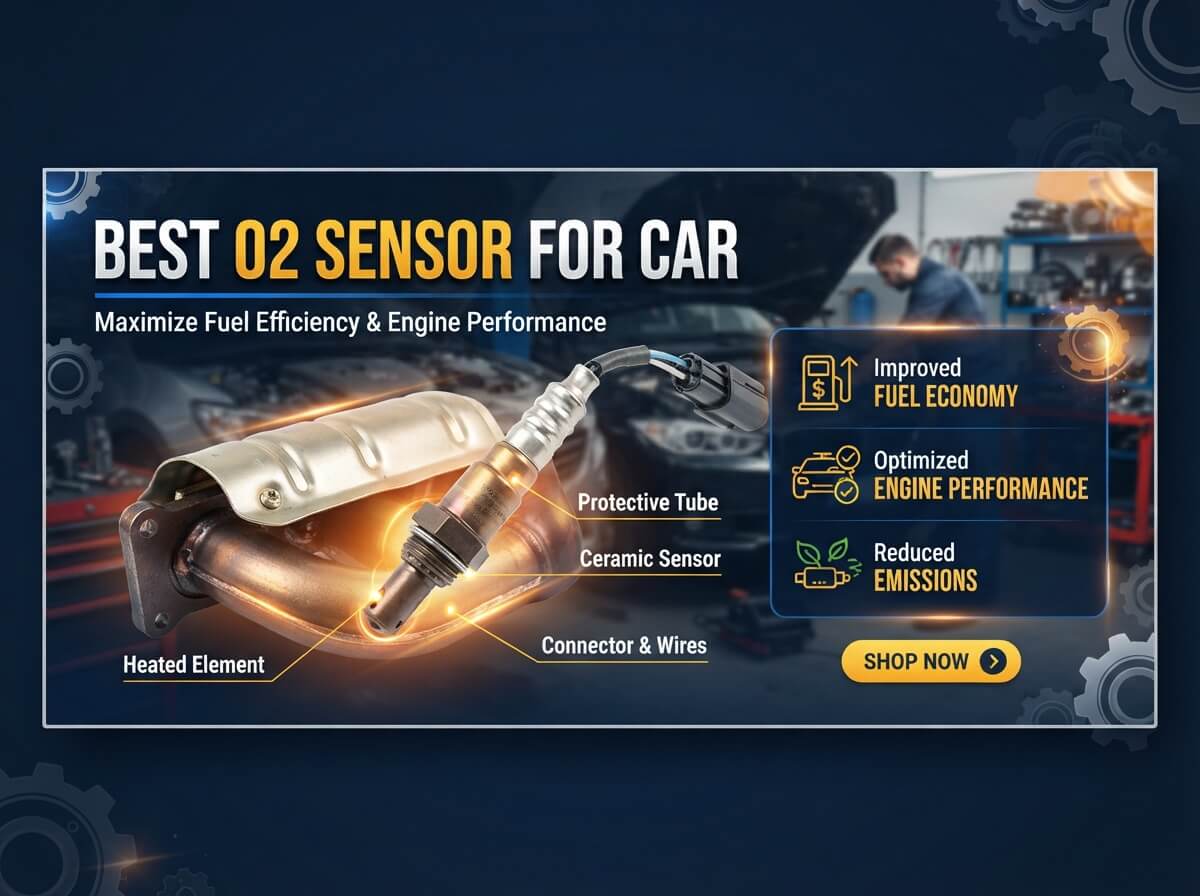
5 Best O2 Sensor for Car In 2026
If your check engine light just turned on and a quick scan showed a code pointing to the oxygen sensor, you are in the right place. This little part sits inside your exhaust system, but it has a big job. It tells your engine’s computer how much oxygen is left in the exhaust after fuel burns. Based on that reading, your car adjusts the air-fuel mix so the engine runs clean and smooth.
A bad O2 sensor can drag down your gas mileage, trigger random check engine lights, cause rough idling, and even hurt your catalytic converter over time. That last part is the expensive one, since a catalytic converter costs way more than a sensor. So a small forty-dollar part can end up saving you hundreds down the road.
In this roundup, we’re going to walk through five oxygen sensors that get talked about a lot by home mechanics and shop techs alike. We’ll cover what each one does well, where it falls short, who it fits, and how it stacks up against the rest. By the end, you should have a clear idea of which sensor fits your car, your budget, and your comfort level with tools.
Let’s get into it.
Why the Right Oxygen Sensor Actually Matters
Before we jump into the reviews, it helps to know why this part deserves your attention instead of just grabbing the cheapest one on the shelf.
Your engine has at least two oxygen sensors, sometimes four on V6 and V8 setups. The upstream sensor sits before the catalytic converter and reads raw exhaust straight from the engine. The downstream sensor sits after the converter and checks how well that converter is cleaning up emissions. These two readings work together so your car’s computer, the ECU, can fine-tune fuel delivery in real time.
When a sensor goes bad, it stops sending accurate signals. Your ECU either guesses or falls back to a default fuel mix, which is almost never the right one for your driving conditions. That leads to a few common symptoms:
- A check engine light with codes like P0130, P0135, P0141, P0171, or P0300
- Lower gas mileage, sometimes a drop of ten to twenty percent
- Rough idle or hesitation during acceleration
- A sulfur or rotten egg smell from the exhaust
- Failed emissions testing
A good replacement sensor should match your car’s original design closely, react fast to changes in the exhaust, and hold up to heat cycles without breaking down early. That’s exactly what we judged each product on below.
Quick Comparison Table
| Product | Type | Sensor Count | Best For | Price Range |
|---|---|---|---|---|
| PulseVector Downstream O2 Sensor | Downstream, single wire zirconia | 1 | Older GM V6/V8 cars needing a downstream fix | Budget |
| PulseVector Upstream/Downstream Kit | Mixed, 4-piece kit | 4 | Full-truck sensor replacement in one go | Budget to mid |
| BOSCH 15284 Premium OE Fitment | Wideband/planar, OE-style | 1 | Newer GM trucks and SUVs, precise fitment | Mid-range |
| BOSCH 12014 Premium OE Fitment | Zirconia, single wire | 1 | Wide compatibility across older domestic brands | Budget to mid |
| Denso 234-9005 | OE-style zirconia | 1 | Original-equipment quality replacement | Mid-range |
Now let’s look at each one closely.
1. PulseVector O2 Oxygen Sensor Downstream (1PC)
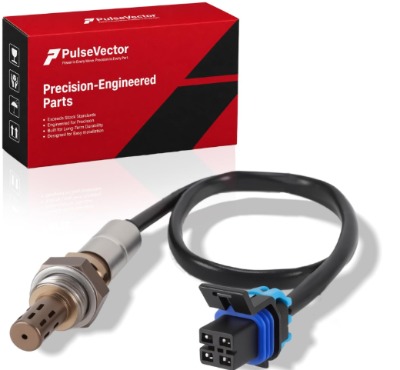
Fits: Chevrolet Camaro (1996 to 2002) with V8 5.7L or V6 3.8L, Chevrolet Impala (2000 to 2004) V6 3.8L or V6 3.4L, Pontiac Firebird (1996 to 2002) V6 3.8L or V8 5.7L, Pontiac Grand Prix (1996 to 2003) V6 3.4L, 3.1L, or 3.8L
What It Is
This is a single downstream oxygen sensor built for older GM performance and family cars. If your Camaro, Firebird, Impala, or Grand Prix threw a code related to the sensor after the catalytic converter, this part slots into that exact spot.
Downstream sensors don’t control fuel mixing directly like upstream ones do. Instead, they watch how clean your catalytic converter is running. When this sensor fails, your car often still drives fine day to day, but the check engine light stays lit and you can’t pass emissions testing.
Key Features Explained Simply
- Single wire zirconia design that matches the factory sensor style used on these older GM platforms, so there’s no rewiring or adapter needed
- Direct plug-in connector built to match the factory harness, meaning no cutting or splicing wires
- Heated element that gets the sensor to operating temperature fast, so it starts reading accurately within a minute or two of startup instead of taking several miles
Real-Life Usage Insight
Owners of aging Camaros and Firebirds often run into this exact failure point once the car crosses the higher mileage marks, especially after 100,000 miles. Since these cars are getting older, factory sensors have usually already been swapped once or twice, and this sensor is a common go-to replacement because it lines up with the exact fitment these cars need without a lot of hunting around.
Pros
- Direct fit for a specific and well-known group of GM cars, so there’s very little guesswork
- Affordable price point compared to dealer parts
- Simple plug-and-play install with no wire splicing
- Good option for passing an emissions retest quickly
Cons
- Only covers downstream position, so if your upstream sensor is also bad, you’ll need a second part
- Limited to older GM models only, not a universal fit
- Some users report a shorter lifespan than OE parts under heavy daily driving
Performance and Ease of Install
Install time runs about fifteen to twenty-five minutes if you have the right oxygen sensor socket and your downstream sensor location is easy to reach, which it usually is on these platforms since it’s mounted after the catalytic converter, away from the hottest part of the engine bay. No special tuning or ECU reset should be needed beyond clearing the code with a scan tool after installation.
Value for Money
This sensor sits in the budget range, and for a downstream-only replacement on an older car, that pricing makes sense. It’s a reasonable pick if you just need to clear one code and get back to normal driving without spending dealer money on a part for a car that may not be worth a premium repair anymore.
2. PulseVector O2 Oxygen Sensor Upstream Downstream (4Pcs Kit)
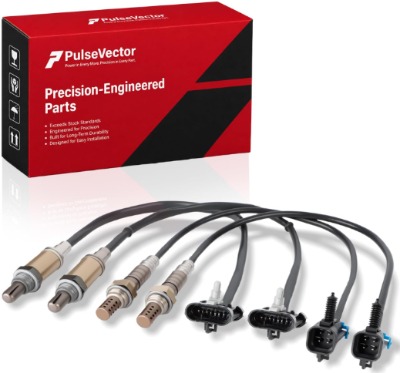
Fits: Chevrolet Silverado 1500 (1999 to 2002) V6 4.3L, V8 5.3L, or V8 4.8L, Chevrolet Tahoe (1996 to 2002) V8 5.7L, V8 4.8L, or V8 5.3L, GMC Sierra 1500 (1999 to 2002) V8 4.8L, V8 5.3L, or V6 4.3L
What It Is
This is a full four-sensor kit built for older GM trucks and SUVs running V6 and V8 engines. Since these trucks typically run two upstream and two downstream sensors on their dual exhaust banks, this kit replaces all four in one purchase instead of buying them separately.
Key Features Explained Simply
- Complete four-sensor set covering both banks, front and rear, so you don’t end up with mismatched old and new sensors
- Wide compatibility across Silverado, Tahoe, and Sierra trucks sharing the same drivetrain family
- Heated zirconia elements for faster warm-up and steadier readings once the engine reaches operating temperature
Real-Life Usage Insight
Trucks and SUVs from this era often develop multiple sensor issues around the same mileage, since all four sensors go through the same number of heat cycles and years of exhaust exposure. Replacing just one and leaving the others worn out usually means you’re back under the hood again within a few months chasing another code. A full kit like this solves that pattern in one shot, which saves a repeat trip to the parts store and repeat labor if you’re paying a shop.
Pros
- Covers the whole engine’s sensor needs in a single order, saving time and often shipping cost
- Good fit accuracy for the specific truck and SUV models listed
- Cheaper per-sensor cost compared to buying four individually
- Reduces the chance of one old, weak sensor throwing off a fresh set of new ones
Cons
- Four sensors means a longer install job, usually over an hour for a first-timer
- Not useful if only one sensor actually failed and the rest are still healthy
- Some sensors in multi-packs can vary slightly in quality consistency compared to buying a single premium part
Performance and Ease of Install
Installing all four takes patience, mainly because the upstream sensors sit closer to the exhaust manifold where things run hotter and access can be tighter, especially on 4WD trucks. Downstream sensors are usually easier to reach from underneath. Budget around one to two hours for the full job, plus time for the engine to cool down first, since these sensors can be seized in place by heat and rust on higher mileage trucks.
Value for Money
For truck owners dealing with multiple codes at once, this kit offers strong value since the per-unit price drops when buying four together. It also saves a second round of labor if you’re paying someone else to do the work, since pulling four sensors in one visit is far more efficient than two separate repair trips.
3. BOSCH 15284 Premium OE Fitment Oxygen Sensor
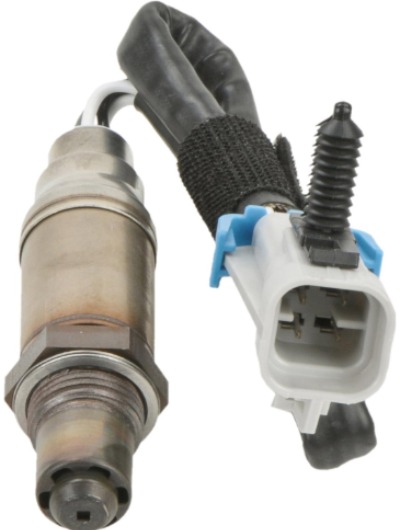
Fits: Select 2003 to 2006 Buick, Cadillac, Chevrolet, GMC, and Isuzu vehicles, including Cadillac Escalade, Chevrolet Avalanche, Silverado, Suburban, Tahoe, and GMC Envoy, Sierra, Yukon, and more
What It Is
Bosch built this sensor to match original equipment specs closely, which is a big deal for anyone who wants their exhaust readings to behave exactly like the factory part did. It targets a newer batch of GM trucks and SUVs compared to the two PulseVector options above, covering the mid-2000s lineup.
Key Features Explained Simply
- OE-matched design, meaning the internal sensing element and response curve closely follow what General Motors originally speced for these vehicles
- Pre-calibrated signal output, so your ECU doesn’t need to relearn or adapt over a long break-in period
- Corrosion-resistant housing built to handle road salt, moisture, and years of heat cycling without the connector degrading early
Real-Life Usage Insight
Bosch has built oxygen sensors for original equipment manufacturers for decades, and that experience shows up in fitment accuracy. Techs at independent shops often reach for Bosch when a customer’s Tahoe or Escalade needs a sensor replaced, since the readings tend to settle in fast without the ECU throwing a temporary “sensor slow to respond” code that sometimes shows up with generic aftermarket parts during the first few drive cycles.
Pros
- Very close match to factory sensor behavior, which reduces the chance of new false codes appearing after install
- Strong build quality with a connector that resists corrosion
- Trusted name in the auto parts world with a long track record
- Fast signal response once warmed up
Cons
- Priced higher than generic aftermarket sensors
- Covers a narrower model year range compared to some universal options
- Not the cheapest choice if budget is the main concern
Performance and Ease of Install
Because this sensor is built to OE spec, install is usually a smooth, no-surprise job. The plug matches the factory harness exactly, and most owners report the check engine light clears on the first drive cycle after a scan tool reset, without any lingering codes. Expect a twenty to thirty minute job depending on which position you’re replacing.
Value for Money
This one costs more upfront, but the accuracy and reliability often mean fewer comebacks, fewer wasted diagnostic hours, and a sensor that lasts closer to its full rated lifespan. For a daily driver truck or SUV you plan to keep for years, that trade-off usually pays off.
4. BOSCH 12014 Premium OE Fitment Oxygen Sensor
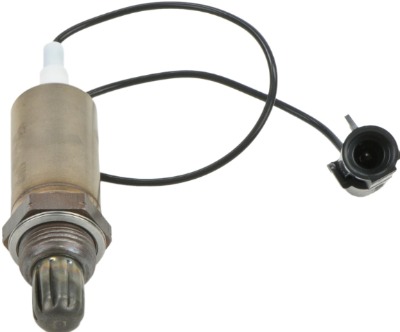
Fits: Select AM General, AMC, Buick, Cadillac, Chevrolet, GMC, Isuzu, Jeep, Oldsmobile, Pontiac, Renault, and Suzuki vehicles
What It Is
This is one of the broadest-fitting sensors in this roundup, covering a long list of older domestic and a few international brands. It’s a single, unheated or heated zirconia-style sensor depending on application, built with the same OE-focus approach Bosch uses across its lineup.
Key Features Explained Simply
- Broad cross-brand compatibility, useful for anyone working on a mixed fleet of older vehicles or a less common trim
- Durable zirconia sensing element known for stable, long-term readings across a wide temperature range
- OE-style connector shape designed to match factory wiring without needing pigtail adapters on most applications
Real-Life Usage Insight
Mechanics who work on a wide range of older American vehicles often keep this exact Bosch part number on their shelf, since it covers so many makes and models with one SKU. It’s a practical pick if you’re not totally sure of your exact original sensor style and just want something built to a proven, reliable spec that a huge range of vehicles from this era used.
Pros
- Extremely wide compatibility list, one of the widest in this comparison
- Solid, dependable readings from a trusted sensor brand
- Reasonable price for the quality level offered
- Good backup option if your specific vehicle model isn’t listed elsewhere
Cons
- Because it spans so many brands, always double-check your exact trim and engine size before buying
- Older design compared to newer wideband sensors used in more modern cars
- Not intended for vehicles newer than the covered range
Performance and Ease of Install
Since this sensor covers so many platforms, install steps vary a bit by vehicle, but most owners describe it as a standard bolt-in swap using a basic oxygen sensor socket and a ratchet. No special tools beyond that are typically needed, and the wiring connector snaps into place without extra adapters on most listed vehicles.
Value for Money
Given how many vehicles this single part number covers, it’s a strong value pick, especially for anyone maintaining an older domestic car or truck where finding exact-fit parts can sometimes be a hassle. The Bosch name backing it adds confidence that you’re not settling for a bargain-bin part.
5. Denso 234-9005 Oxygen Sensor
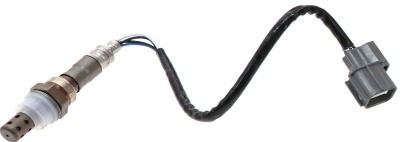
What It Is
Denso makes original equipment sensors for several major automakers, so this aftermarket version draws on that same manufacturing background. The 234-9005 is a popular replacement across a range of GM applications and is often mentioned alongside Bosch as one of the two brands techs trust most for O2 sensor work.
Key Features Explained Simply
- OE-grade zirconia element built using the same core technology Denso supplies to original vehicle manufacturers
- Fast heat-up heater circuit that gets the sensor active quickly after a cold start, which matters most in colder climates where slow warm-up delays proper fuel mixing
- Consistent voltage output that stays steady across a wide range of driving conditions, from idle to highway speed
Real-Life Usage Insight
A lot of independent shops default to Denso sensors specifically because Denso already supplies sensors to several vehicle manufacturers as original equipment. That means the part you’re buying isn’t just “compatible,” it’s often built on the same production line and design specs as what came on the car from the factory. Owners who’ve had mixed results with generic no-name sensors in the past often switch to Denso and see the intermittent codes stop showing up.
Pros
- Manufactured to true OE specifications, since Denso is an actual OE supplier
- Fast, stable warm-up performance
- Strong reputation for long service life
- Steady voltage signal reduces the chance of false lean or rich codes
Cons
- Priced above budget aftermarket options
- Limited to specific applications, so fitment needs to be double-checked carefully
- Not sold as a multi-pack, so kit buyers need to purchase separately for multiple positions
Performance and Ease of Install
Install difficulty is about average, similar to the Bosch options, running twenty to thirty minutes per sensor with basic tools. Where Denso stands out is after installation, drivers frequently note smoother idle and steadier fuel economy readings within the first few tanks of gas, which points to accurate, stable sensor output.
Value for Money
This sensor sits at a higher price point, but for anyone who wants factory-level reliability without paying full dealer pricing, it’s one of the better trade-offs on this list. It works well for daily drivers where long-term dependability matters more than saving a few dollars upfront.
Comparison Insights: How These Five Stack Up
Looking at all five side by side, a few patterns stand out.
Fitment range varies a lot. The PulseVector downstream sensor and the PulseVector 4-piece kit both target very specific GM platforms from the late 1990s through early 2000s. The Bosch 12014 casts the widest net, covering multiple brands and decades of production. The Bosch 15284 and Denso 234-9005 sit in the middle, targeting specific but still fairly common GM trucks and SUVs.
Build quality and OE accuracy tend to favor Bosch and Denso over the PulseVector options. That’s not knocking PulseVector, since their parts are direct, functional replacements at a lower price point, but Bosch and Denso both manufacture sensors for original equipment supply chains, which shows up in how closely their aftermarket parts mirror factory behavior.
Price versus longevity is really the core trade-off across this whole roundup. Budget sensors get your check engine light off and your car running normally again for less money upfront. Premium OE-matched sensors from Bosch and Denso often last longer and produce more consistent readings, which can mean fewer repeat repairs over the years you keep the car.
Kit buying versus single sensor buying matters too. If your vehicle uses four sensors and more than one is showing signs of failure, a kit like the PulseVector 4-piece option usually saves money and labor time compared to buying and installing sensors one at a time as each one fails.
Buying Guide: What to Check Before You Buy an O2 Sensor
Confirm Your Sensor Position
Your car likely has more than one oxygen sensor. Codes on your scan tool usually point to a specific one, labeled something like Bank 1 Sensor 1 or Bank 2 Sensor 2. Bank 1 is the side of the engine with cylinder number one. Sensor 1 means upstream, closer to the engine. Sensor 2 means downstream, closer to or after the catalytic converter. Buying the wrong position sensor is one of the most common mistakes people make, so match your code to the right location before ordering.
Match Your Exact Engine and Model Year
Even within the same car model, different engine sizes sometimes use different sensor connectors or heater circuits. A 3.8L V6 Grand Prix and a 3.1L V6 Grand Prix from a similar era might not use identical sensors. Always check your engine size against the listed compatibility, not just the car’s name and body year.
Look at Wire Count
Older sensors sometimes have one wire, while newer heated sensors typically use four wires, two for the sensor signal and two for the internal heater circuit. Mixing these up leads to a part that either won’t plug in or won’t perform correctly even if it physically fits.
Decide Between OE-Style and Universal Fit
OE-style sensors plug straight into your factory harness with no cutting needed. Universal sensors sometimes need splicing into your existing wiring, which takes more time and a bit more mechanical comfort. If you’d rather avoid wiring work altogether, stick with a direct-fit OE-style part like the ones reviewed above.
Think About How Long You Plan to Keep the Car
If you’re driving the car for another year or two before trading it in, a budget sensor that clears the code and passes emissions is often the smarter money move. If this is a long-term daily driver you plan to keep for many more years, spending a bit more on a Bosch or Denso sensor tends to pay off through fewer repeat failures.
Who Should Buy These Products
Owners of older GM performance cars like the Camaro or Firebird dealing with a downstream code will find the PulseVector single downstream sensor a fast, affordable fix that matches their exact platform.
Truck and SUV owners with multiple sensor codes on Silverado, Tahoe, or Sierra models should look at the PulseVector 4-piece kit, since replacing all four sensors together avoids repeat labor down the road.
Drivers who want factory-level reliability on newer GM trucks and SUVs from the mid-2000s should lean toward the Bosch 15284, especially if the vehicle is a daily driver they plan to keep long-term.
Anyone working on an older, less common domestic vehicle, or unsure of the exact original sensor style, benefits from the wide compatibility of the Bosch 12014, since it covers a huge range of makes with one part number.
People who want the closest thing to a factory replacement and are comfortable paying a bit more should go with the Denso 234-9005, particularly if steady long-term performance matters more than upfront savings.
Common Mistakes to Avoid When Buying and Installing an O2 Sensor
Buying based on car model alone. Two engines in the same car body can need different sensors. Always confirm engine size and sensor position, not just the vehicle name.
Ignoring the difference between upstream and downstream. These sensors look similar but serve different jobs. Installing a downstream sensor in an upstream spot, or the other way around, often causes new codes instead of fixing the old one.
Skipping anti-seize compound on the threads. Oxygen sensor threads can seize from heat over time, making future removal a nightmare. A small dab of anti-seize made for oxygen sensors, kept away from the sensor tip, makes future maintenance much easier.
Not clearing the code after install. Simply swapping the sensor sometimes isn’t enough. Use a scan tool to clear the stored code so your ECU can start fresh and confirm the new sensor is reading correctly during the next drive cycle.
Touching the sensor tip with bare hands or oil. Oils and contaminants on the sensor’s sensing tip can throw off readings right out of the box. Handle new sensors by the body or connector, not the tip.
Assuming a new sensor fixes everything. Sometimes an O2 sensor code points to a deeper issue, like a vacuum leak or a failing catalytic converter. If a new sensor doesn’t clear the problem after a proper drive cycle, it’s worth having the underlying cause checked.
Going too cheap on a long-term daily driver. A bargain sensor might save a few dollars now but fail again within a year, costing more in the long run through repeat labor and parts.
Final Verdict
All five of these oxygen sensors get the job done, but they fit different situations.
If you’re working on an older Camaro, Firebird, Impala, or Grand Prix and just need a downstream fix, the PulseVector Downstream Sensor is a smart, budget-friendly pick built exactly for that platform.
If you’re dealing with multiple failing sensors on a Silverado, Tahoe, or Sierra, the PulseVector 4-Piece Kit saves you time and money compared to buying four sensors separately.
For newer GM trucks and SUVs where you want factory-level accuracy and fewer comebacks, the Bosch 15284 stands out as a reliable, well-built option worth the extra cost.
If your vehicle falls outside the usual fitment charts or you want one part that covers a wide range of older domestic vehicles, the Bosch 12014 is a dependable, flexible choice.
For drivers who want the closest thing to original factory performance and don’t mind paying a bit more for it, the Denso 234-9005 earns its spot as one of the most trusted names in the oxygen sensor space.
At the end of the day, the best oxygen sensor for your car comes down to matching your exact engine, sensor position, and how long you plan to keep driving the vehicle. Get those three things right, and any of the five options above should get your check engine light off and your engine running clean again.