
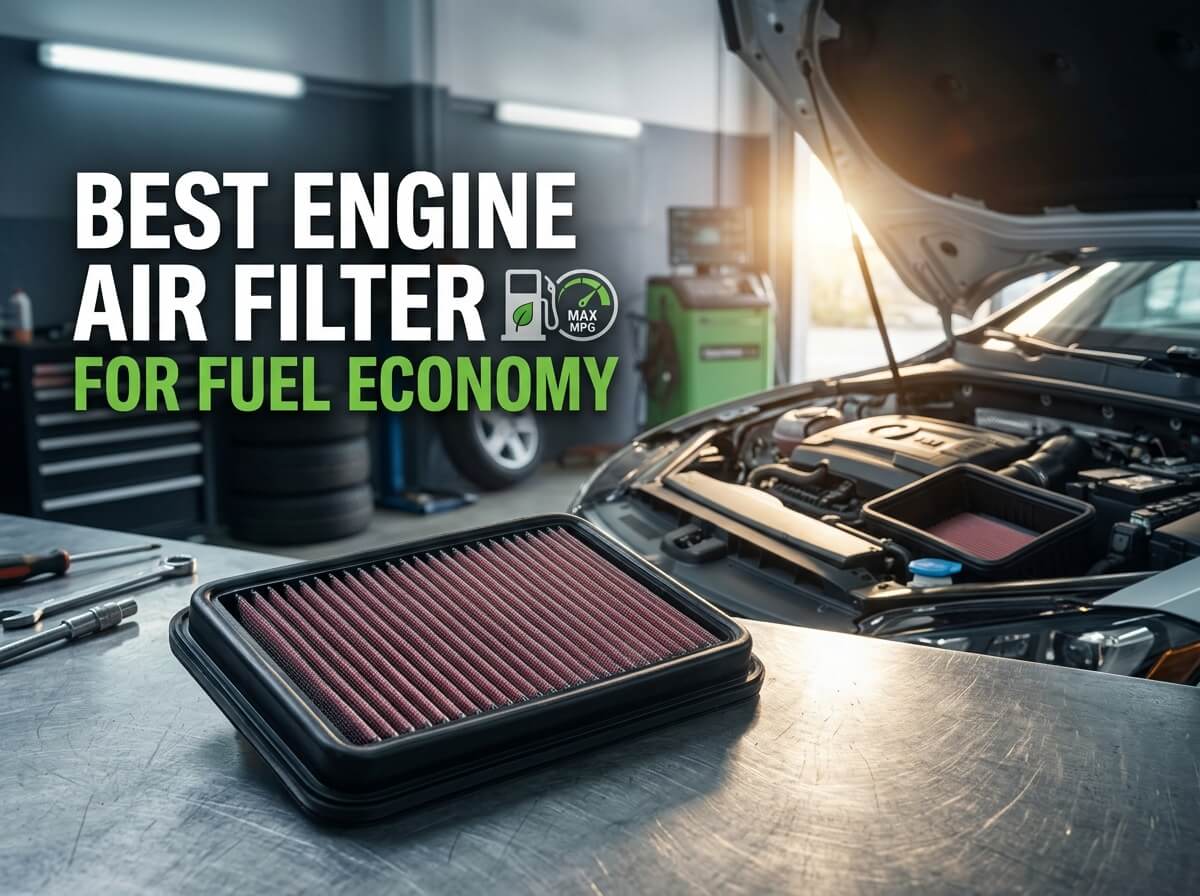
5 Best Engine Air Filter for Fuel Economy In 2026
Meta description: Looking for the best engine air filter for fuel economy? We review five popular filters and kits for trucks, SUVs, and heavy-duty rigs, with honest pros, cons, and buying tips.
Most drivers want better gas mileage. Some look at new tires, lighter loads, or smoother driving habits. Others start with the air filter, since it’s one of the easiest parts to swap under the hood. The idea is simple: a clean filter lets more air reach the engine, and a healthy engine burns fuel more efficiently.
The reality is a little more mixed. A fresh air filter can help, but it rarely turns a thirsty vehicle into a fuel sipper. Gains are usually small, and they show up most clearly when the old filter was badly clogged. Still, keeping the intake clean is smart maintenance, and it protects the engine over the long run.
In this roundup, we look at five products. Two are cabin and engine air filter kits for light-duty vehicles, one is a fuel system combo from AirDog, one is a fuel filter kit for a diesel pickup, and one is an engine air filter for heavy-duty Freightliner trucks. Each section explains what the product does, who it fits, how it performs, and where it falls short. We also cover what fuel economy really depends on, how to pick the right filter, and the mistakes that cost drivers time and money.
Before we start, here’s a quick note on fitment. Air filters and fuel filters are very specific to engine size, model, and production run. Always confirm the part number against your vehicle’s owner manual or the seller’s fitment guide before you buy. Prices and availability change often, so check the current listing for those details.
How Air Filters Affect Fuel Economy
To see why an air filter matters, it helps to know what it does. Your engine is basically a big air pump. It pulls in air, mixes it with fuel, and burns the mixture to make power. The air filter sits at the front of that process and catches dust, pollen, bugs, and road grit before they reach the cylinders.
As the filter loads up with dirt, it gets harder for air to pass through. This is called restriction. On a modern gasoline engine, the computer watches how much air comes in through a mass airflow sensor and adjusts the fuel to match. The computer keeps the mix close to ideal, so a restricted filter does not always waste fuel in an obvious way. Instead, the engine can lose a bit of power, throttle response can feel softer, and efficiency can slip a little.
Diesel engines feel restriction differently. Many heavy-duty diesels have a restriction indicator on the air cleaner housing. When the indicator reaches its limit, the engine is pulling air through a clogged element, and that often costs fuel and power. Fleet operators watch these gauges closely because even small losses add up over thousands of miles.
Here’s the honest part: for most passenger vehicles with a clean filter already in place, a new filter will not produce a huge MPG jump. Improvements are usually a few percent at most, and they show up mainly when the old filter was really dirty. If you want better mileage, tire pressure, smooth acceleration, reduced idling, and regular oil changes often matter more. A new air filter is best seen as part of a solid maintenance routine, not a magic fix.
Cabin Air Filters Are a Different Story
Many kits in this roundup include a cabin air filter, and that part needs its own explanation. The cabin filter cleans the air that flows into the passenger compartment through the heating and cooling system. It catches pollen, dust, and some exhaust particles. It does not feed the engine, so it has no direct effect on fuel economy.
A clogged cabin filter can reduce airflow from the vents, make the blower sound strained, and leave a musty smell. Replacing it makes the cabin feel fresher and can help allergy sufferers. Those are real benefits, but they are comfort and health benefits, not mileage benefits. If a seller claims a cabin filter will improve your MPG, that claim is misleading.
How We Judged These Products
Every product in this roundup was judged on the same basic points. We looked at how well each one fits its target vehicle, how it is built, how the filter media is likely to perform, how easy it is to install, and how the price compares with what you get. We also paid attention to the realistic benefits and limits of each item.
We did not rely on bold claims. When a product claims a percentage gain in mileage, we treat that with caution, since fuel economy depends on driving style, load, weather, and maintenance. Instead, we focused on whether each product does its job well: keeping dirt out, letting air or fuel flow freely, and fitting the vehicle without trouble.
Product Reviews
1. Engine Cabin Air Filter Kit for Silverado and Sierra 1500
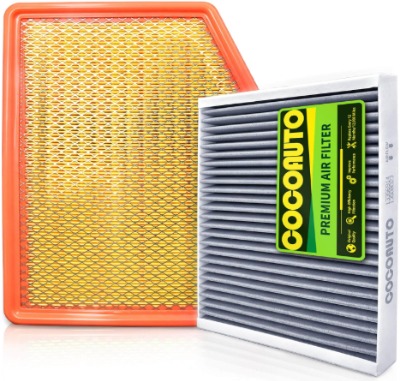
What it is: This is a combo kit with an engine air filter and a cabin air filter, made for full-size Chevrolet Silverado and GMC Sierra 1500 pickups. It is one of the most common ways to refresh the intake and the cabin air in one trip to the parts store.
Best use cases: This kit works well for owners who drive in dusty areas, tow regularly, or spend a lot of time on gravel roads. It also suits anyone who wants a quick, all-in-one maintenance refresh without shopping for two separate parts.
Key features explained simply:
- The engine filter is a pleated paper element that traps dust and debris before the air enters the intake.
- The cabin filter is a pleated media panel that cleans air coming through the dashboard vents.
- The kit comes as a matched set, so you don’t have to guess which parts go together.
Real-life usage insight: On a full-size pickup, the engine filter sits in a plastic airbox that is easy to open with a few clips or screws. Replacement usually takes less than 15 minutes. The cabin filter is often behind the glovebox, and the process can take longer the first time, especially if you need to remove the glovebox stops. Many owners find the cabin filter swap more annoying than the engine swap, but it’s still a manageable job.
Performance discussion: The engine filter is designed to flow air well while catching fine dust. On a clean engine, you probably won’t notice a dramatic change in acceleration. If the old filter was heavily dirty, you may notice smoother throttle response and better air delivery. Any fuel economy gain is likely modest. The cabin filter should bring back stronger airflow from the vents and reduce dust on the dash.
Ease of use: Installation is simple for most owners. Keep the old filters on hand for comparison, and check that the new engine filter seats fully in the housing. A poorly seated filter can let dirt slip past the edges, which defeats the purpose.
Pros:
- Convenient combo kit that covers both engine and cabin filters
- Straightforward installation on most trucks
- Good option for dusty or rural driving
- Improves cabin air freshness right away
Cons:
- Fuel economy gains are usually small
- Cabin filter access can be fiddly on some trim levels
- Paper media needs replacing on schedule and cannot be cleaned and reused
Value for money: For the price, this kit makes sense if you need both filters anyway. Buying the two parts separately often costs more, and the convenience of one purchase is a real plus. If you only need one filter right now, buy only that one.
Our take: This is a practical, no-nonsense kit for full-size pickup owners. Expect cleaner air and a fresher cabin, and treat any mileage improvement as a bonus rather than the main reason to buy.
2. Engine Cabin Air Filter Kit for CR-V 1.5L Turbo, Gas Only
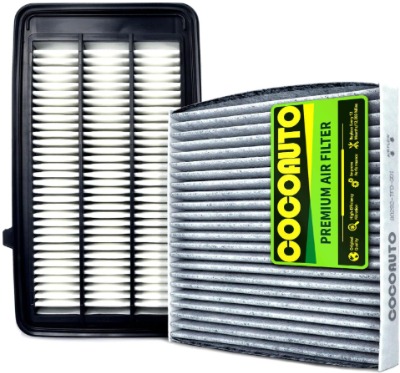
What it is: This kit includes an engine air filter and a cabin air filter for the gas-powered 1.5-liter four-cylinder turbo version of the Honda CR-V. The product note says gas only, so this kit is not meant for the hybrid model, which uses a different engine.
Best use cases: This kit suits compact SUV owners who want a simple, budget-friendly maintenance refresh. It’s a good fit for daily commuters, city drivers, and families who need reliable air filtration without much fuss.
Key features explained simply:
- The engine filter is a standard pleated paper element sized for the smaller 1.5-liter engine.
- The cabin filter is designed to fit the CR-V’s glovebox housing and help keep the cabin air cleaner.
- The kit ships as a matched pair, which cuts down on confusion at the parts counter.
Real-life usage insight: On the CR-V, the engine air filter is in an accessible airbox near the front of the engine bay, and the job is usually a quick, clean swap. The cabin filter goes behind the glovebox. Owners often find it easy once they’ve removed the glovebox stops and let the box drop down. Take a photo of the old filter’s orientation before you remove it. The arrow on the frame should point in the direction of airflow.
Performance discussion: The engine filter keeps the small turbo engine breathing properly. Turbo engines depend on clean intake air, and a restricted filter can add a bit of extra strain under load. A fresh filter won’t turn the CR-V into a hybrid, but it can help the engine respond more crisply and avoid unnecessary restriction. Fuel economy changes will be modest, most noticeable when the old filter was dirty. The cabin filter should noticeably improve airflow from the vents, especially on the fan’s lower settings.
Ease of use: This is one of the easier kits in the roundup. The engine filter takes minutes. The cabin filter takes a bit longer on the first try, but most people finish within half an hour.
Pros:
- Easy installation for both filters
- Good match for the 1.5-liter gas engine
- Affordable way to refresh intake and cabin air together
- Helpful for city and stop-and-go driving
Cons:
- Not compatible with the hybrid version, so double-check the model
- Fuel economy improvement is small
- Cabin filter may need a careful reinstall to seal properly
Value for money: This kit offers solid value. Two filters for the price of a modest maintenance visit is hard to beat, and the parts are simple to install yourself.
Our take: This kit is a sensible pick for CR-V owners with the gas 1.5-liter engine. It keeps the engine breathing cleanly and the cabin air fresher. Just make sure your vehicle is the correct engine type before you order.
3. AirDog Pre-Filter WS100 and Fuel Filter FF100-2 Combo Pack
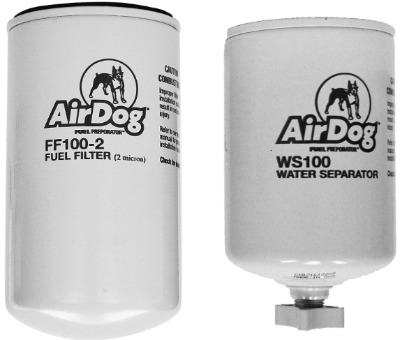
What it is: This is a fuel system combo from AirDog, not an engine air filter. It includes a pre-filter (WS100) and a fuel filter (FF100-2). Pre-filters typically catch water and larger contaminants before fuel reaches the main filter, while the main fuel filter traps finer particles before fuel reaches the pump and injectors.
Best use cases: This combo suits owners who run aftermarket fuel systems, use fuel pumps that need extra protection, or drive in areas where fuel quality is inconsistent. It’s also useful for people who want to protect a fuel pump from contamination. It is not a substitute for an engine air filter, and it will not improve airflow into the engine.
Key features explained simply:
- The pre-filter stage helps separate water and larger debris early in the fuel path.
- The fuel filter catches fine particles that could damage pumps or injectors.
- The combo format lets you service both stages together.
Real-life usage insight: Installation depends on your setup. Many AirDog-related systems are designed around specific pump arrangements, so the filter location and mounting method depend on the vehicle and pump. Before ordering, confirm that the WS100 and FF100-2 match your fuel system and fittings. Some users prefer to have a professional install a system like this, especially when it’s part of a larger fuel delivery modification.
Performance discussion: Clean fuel is important for steady engine performance. A clogged or contaminated fuel filter can cause hesitation, low power, and an engine that struggles under load. Keeping fuel clean helps the engine run the way it was designed to. However, fuel filters do not directly add mileage. Their effect on fuel economy is indirect. If a clogged fuel filter was limiting fuel delivery, replacing it may restore efficiency. If the filter was fine, you won’t see a difference.
Ease of use: This product is less plug-and-play than a standard air filter. It works best for people who understand fuel system basics or have a shop handle the install. Careless installation can cause leaks, so tighten fittings properly and check for drips after the first start.
Pros:
- Protects the fuel pump and injectors from contamination
- Useful for aftermarket or high-demand fuel setups
- Pre-filter stage can catch water and debris early
- Combo format makes servicing simpler
Cons:
- Not an engine air filter, so it does nothing for intake airflow
- Fitment must be confirmed carefully
- Installation can be more complex than a standard filter swap
- Fuel economy benefit is indirect and not guaranteed
Value for money: The value depends on whether your setup needs this level of fuel protection. For a stock vehicle with a healthy fuel system, it may be more than you need. For a modified setup where pump protection matters, it can be a smart investment.
Our take: This is a good fuel system combo for the right application. Just don’t expect it to behave like an engine air filter. Read the fitment details closely, and consider professional help if you’re not sure about your fuel system.
4. 6.7L Cummins Fuel Filter Kit for Dodge Ram 2500, 3500, 4500, and 5500
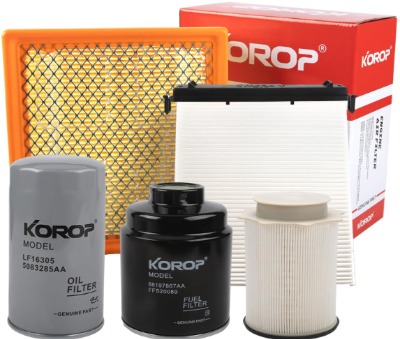
What it is: This is a fuel filter kit for Ram heavy-duty trucks equipped with the 6.7-liter Cummins diesel engine. Diesel systems usually use one or more fuel filters, often a primary filter with water separation and a secondary filter before the injection pump. Kits like this bundle the needed elements and sometimes seals or O-rings.
Best use cases: This kit suits Ram heavy-duty owners who tow, haul, or work their trucks hard. It’s also useful for anyone following a regular fuel filter service schedule. Diesel fuel filters do a lot of protective work, so staying on top of them is important.
Key features explained simply:
- The primary filter catches larger particles and separates water from the fuel.
- The secondary filter cleans the fuel more finely before it reaches the injection pump.
- Kit contents usually include the filter elements and the seals needed for a proper service.
Real-life usage insight: Diesel fuel filter changes are messier than most air filter swaps. Expect some fuel spillage and drain the housing before you start if your truck’s system allows it. Prime the system after installation, since air trapped in the fuel lines can cause hard starting or rough running. Many owners say the job takes a couple of hours the first time and gets faster after that. Keep the area clean, and wipe up any fuel right away.
Performance discussion: A clean fuel filter helps the injection system get steady fuel flow. When filters start to clog, the pump has to work harder, and the engine may lose power, stumble under load, or show poor throttle response. Replacing clogged filters restores proper fuel delivery. In that sense, a fresh fuel filter can help efficiency, especially on a truck that was running on restricted fuel. The gain depends on how dirty the old filters were. On a truck with fresh filters already, the change may be hard to notice.
Ease of use: This is a moderate-difficulty job. You’ll need basic hand tools, a drain pan, rags, and some patience. Make sure you install the filters in the correct orientation and that all seals seat properly. Check for leaks after priming and running the engine.
Pros:
- Helps protect the injection system from fuel contamination
- Restores steady fuel flow when filters are clogged
- Convenient kit format with the needed parts together
- Supports better long-term diesel reliability
Cons:
- Messy job with fuel spillage risk
- Priming and bleeding can take extra time
- Fuel economy benefit depends on how worn the old filters were
- Using the wrong parts can cause leaks or fuel system trouble
Value for money: For a heavy-duty diesel, fuel filters are a relatively low-cost item compared with the injection system repairs they help prevent. A kit that includes the necessary parts is usually a good value, especially if you plan to service the filters on schedule.
Our take: This kit is a practical choice for Cummins-powered Ram owners who want to keep their fuel system healthy. It won’t work miracles for mileage, but it protects expensive components and helps restore steady fuel flow. Take your time with the install, and bleed the system properly.
5. AF27879 Engine Air Filter for Freightliner Cascadia, Coronado, 122SD, DD13, and DD15 Trucks
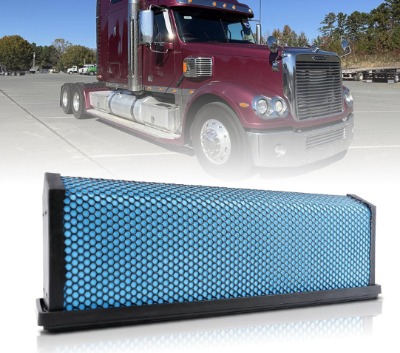
What it is: This is a heavy-duty engine air filter sold under the GCKAE brand. It’s listed for select Freightliner models, including the Cascadia, Coronado, and 122SD, with DD13 and DD15 engines. The listing also includes several cross-reference numbers: CA5790, LAF6260A, 49478, 83478, and CA11249. Cross-references help buyers match a part to different brand numbers, but they should always be verified against the original part number and the manufacturer’s specifications.
Best use cases: This filter suits fleet operators, owner-operators, and maintenance crews running Freightliner trucks with the listed engines. Heavy trucks cover huge mileage, so intake protection matters a lot. This filter is designed for the dusty, demanding environments that long-haul and construction-related work often involves.
Key features explained simply:
- The filter element is built to trap dust and debris before air enters a large diesel engine.
- The listing offers several cross-reference numbers, which can help with parts matching.
- It’s designed for the air demands of heavy-duty diesel engines.
Real-life usage insight: On a heavy truck, the air cleaner housing is larger and sturdier than what you’d find on a pickup or SUV. Many trucks have a restriction indicator that shows when the filter needs service. Don’t ignore that gauge. Running with a restricted filter can cost fuel and power, and over a long haul, that adds up quickly. Always check the seals and the housing for cracks or damage when you change the element.
Performance discussion: A clean air filter helps a heavy-duty diesel breathe well. When the filter is heavily loaded, the engine pulls air through a restriction. That can reduce power and fuel efficiency, especially under load or at highway speed. A fresh element helps restore proper airflow. For fleets tracking every mile per gallon, staying on a filter change schedule can make a real difference across a year of driving.
Ease of use: Installation is usually straightforward for someone familiar with heavy-duty trucks. The key is making sure the new element seats fully, the housing clamps close evenly, and there are no gaps that let dirty air bypass the filter. Clean the housing before installing the new element.
Pros:
- Designed for demanding heavy-duty diesel use
- Cross-reference numbers help with parts matching
- Helps maintain engine airflow and power
- Supports fuel efficiency when the filter is kept fresh
Cons:
- Fitment must be verified carefully against the truck’s engine and housing
- Cross-reference numbers should be double-checked, not assumed
- Brand reputation and long-term durability are less widely documented than major OEM brands
- Fuel economy benefit depends on how restricted the old filter was
Value for money: For a heavy-duty truck, a quality air filter is a small cost compared with fuel, power loss, or engine wear. If the fitment is right, this filter can offer solid value. Fleets often prefer to compare the filter’s specs, media quality, and warranty against OEM options before committing.
Our take: This is a serviceable filter for Freightliner trucks with the listed engines, provided the fitment is confirmed. Verify the part numbers with the truck’s service manual or the original part, and keep an eye on the restriction indicator. A clean filter at the right time protects both power and fuel.
Comparison Insights
Looking at these five products side by side makes one thing clear: they solve different problems. Only the Silverado and CR-V kits are true engine and cabin air filter sets for everyday vehicles. The Freightliner filter is a heavy-duty engine air filter. The two fuel filter products are about fuel protection, not air intake.
| Product | Type | Main Job | Fuel Economy Effect | Install Difficulty |
|---|---|---|---|---|
| Silverado/Sierra 1500 kit | Engine and cabin air | Clean intake and cabin air | Small, mainly if old filter was dirty | Easy to moderate |
| CR-V 1.5L gas kit | Engine and cabin air | Clean intake and cabin air | Small, mainly if old filter was dirty | Easy |
| AirDog WS100 and FF100-2 | Fuel pre-filter and fuel filter | Protect fuel pump and injectors | Indirect, through clean fuel flow | Moderate to advanced |
| Cummins 6.7L fuel filter kit | Diesel fuel filters | Protect injection system | Indirect, restores fuel flow | Moderate, messy |
| Freightliner AF27879 | Heavy-duty engine air | Clean intake air for diesel | Helps when restriction is high | Easy to moderate |
For a gas pickup or compact SUV owner, the engine air filter and cabin filter kits are the most relevant options. They’re cheap, easy, and deliver clear comfort and intake benefits. For a diesel truck owner, fuel filters are just as important as air filters, since a clogged fuel filter can hurt performance and efficiency faster than many people expect. For a heavy-duty fleet, the air filter’s restriction level is a key number to watch.
Across all five, the common thread is that clean filters help the engine work the way it was designed to. Fuel economy is one benefit, but it is rarely the only one. Smoother power, longer engine life, and fewer surprise repairs often matter just as much.
Buying Guide
Before you buy any filter for better fuel economy, take a few minutes to check the basics. A little research now prevents wrong parts, wasted money, and frustration later.
Start With the Right Fit
The most important step is confirming the fit. Look up your vehicle’s engine size, model, and production range in the owner’s manual or a reliable parts catalog. Air filters can look nearly identical while differing in height, width, or seal shape. A filter that almost fits can let dirty air bypass the element, which defeats its purpose.
Check the engine type too. Some vehicles offer both gas and hybrid versions, and the air filter may differ between them. Diesel and gas engines also use very different filter setups. The product titles in this roundup mention specific engines for a reason.
Know the Difference Between Air and Fuel Filters
It’s easy to mix up air filters and fuel filters, especially when both show up in the same kit or the same shopping search. Engine air filters clean the air going into the engine. Cabin air filters clean the air going into the passenger compartment. Fuel filters clean the gasoline or diesel before it reaches the injectors. Each one has its own job and its own replacement schedule.
Consider the Filter Material
Most standard engine air filters use pleated paper. Paper filters are inexpensive, filter well, and work well for most drivers. They are usually disposable, so you replace them rather than clean them. Oiled cotton filters are reusable and common in performance applications, but they need regular cleaning and proper oiling. Over-oiling can damage the mass airflow sensor on many modern engines, so follow the maker’s directions carefully.
For cabin filters, look at the rated filtration level. Some offer basic dust filtering, while others include activated carbon to reduce odors and some pollutants. Carbon layers can help with smells, but they may slightly reduce airflow compared with basic paper media.
Watch the Price, but Don’t Chase the Cheapest Option
A very cheap filter may use thinner media or poor seals. That can let fine dust through or cause fit issues. On the other hand, paying far more does not always get you better mileage. Compare the filter’s build quality, seal design, and warranty. Reputable brands and OEM-quality parts are a safe starting point.
Check the Maintenance Schedule
Your vehicle’s manual lists recommended air filter and fuel filter service intervals. Driving conditions change those needs. Dusty roads, towing, heavy stop-and-go traffic, and short trips can shorten filter life. If you drive in a dusty area, check the air filter more often, and look at it during oil changes.
Who Should Buy These Products
The right buyer depends on the vehicle and the problem you’re trying to solve. Here’s a simple way to think about it.
The Silverado or Sierra 1500 kit suits full-size pickup owners who want a clean intake and fresher cabin air in one purchase. It’s a good fit for people who drive on dusty roads, tow occasionally, or have noticed weak vent airflow.
The CR-V kit suits compact SUV owners with the gas 1.5-liter engine. It’s ideal for daily drivers who want easy maintenance, cleaner air inside the car, and a small but steady boost in intake efficiency. Double-check the engine type first.
The AirDog combo suits owners with aftermarket or high-demand fuel systems who want extra pump and injector protection. It’s not the right choice for someone who only needs an engine air filter. It’s also best for buyers comfortable with fuel system work or willing to hire a pro.
The Cummins fuel filter kit suits Ram heavy-duty owners with the 6.7-liter diesel who want to keep fuel flowing cleanly and protect the injection system. It’s a must-consider item for anyone on a regular diesel maintenance routine.
The Freightliner AF27879 filter suits fleet managers and owner-operators running the listed Freightliner trucks. It fits best for buyers who can verify part numbers and who track fuel use and restriction levels closely.
Common Mistakes to Avoid
Many filter problems come from avoidable errors. Here are the most common ones, along with simple ways to dodge them.
Expecting a huge mileage jump. A new air filter is a good maintenance step, but it rarely adds a large percentage to your MPG. Set realistic expectations, and focus on the overall benefits: cleaner air, steadier power, and better engine protection.
Buying the wrong part number. Similar-looking filters can differ in size and seal shape. Always verify the part number against your vehicle’s specifications before you order. For cross-reference numbers, confirm them with a trusted source.
Confusing cabin and engine filters. A cabin filter improves comfort and air quality, but it does not feed the engine. If you want engine intake benefits, you still need a good engine air filter.
Ignoring the restriction indicator. On many diesel and heavy-duty trucks, the restriction gauge tells you when the air filter is nearly clogged. Waiting too long can cost fuel and power, so check the gauge during every service.
Skipping fuel filter service on diesels. Diesel fuel systems depend on clean fuel. A neglected fuel filter can lead to rough running, poor power, and expensive injection system problems. Don’t push the interval too far.
Forgetting to prime the fuel system. After changing a diesel fuel filter, air can get trapped in the lines. Skipping the priming and bleeding steps can cause hard starts or rough idling. Follow the vehicle’s procedure carefully.
Over-oiling a reusable filter. If you use oiled cotton filters, too much oil can coat the mass airflow sensor and cause driveability problems. Use only the recommended amount of oil.
Installing a filter with a poor seal. A filter that doesn’t seat properly lets dirt bypass the media. After any filter swap, check that the housing closes evenly and the seals sit where they should.
Using a bad air hose to clean paper filters. Blasting a paper filter with compressed air can tear the media or push dirt deeper into the pleats. Most paper filters should be replaced, not cleaned.
Skipping the basics. Tire pressure, smooth acceleration, reduced idling, and regular oil changes often do more for fuel economy than a filter swap. Treat the air filter as one piece of a bigger maintenance plan.
Other Tips for Better Fuel Economy
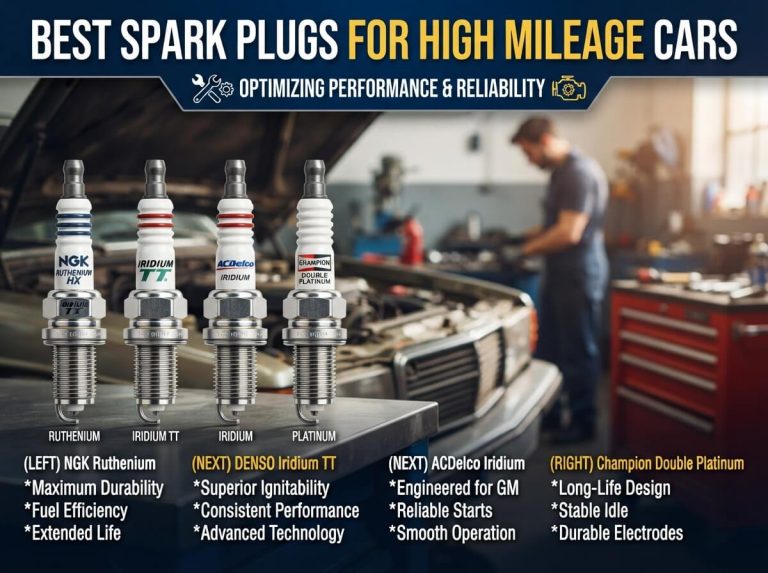
Clean filters are only one part of saving fuel. A few habits make a bigger difference than most people expect. Keep tires inflated to the recommended pressure, since underinflated tires increase rolling resistance. Accelerate gently and anticipate traffic so you can avoid hard braking. Remove unneeded weight from the vehicle, especially roof racks you rarely use. Avoid long idling, which burns fuel without moving you anywhere. Keep up with oil changes and spark plug or injector service, depending on your engine.
Driving speed also matters. Fuel use often climbs quickly at higher highway speeds because of aerodynamic drag. Slowing down a bit on long trips can save more fuel than many drivers would guess.
Final Verdict
If you’re looking for the best engine air filter for fuel economy, the honest answer is that no single filter will transform your mileage. A good filter helps the engine breathe cleanly, and that protects efficiency and performance over time. The biggest gains come from fixing a filter that was badly clogged, followed by good tire care and smooth driving habits.
For everyday gas vehicles, the Silverado and Sierra 1500 kit and the CR-V kit are the most practical picks. They’re easy to install, affordable, and improve both engine intake and cabin air. For diesel owners, the Cummins fuel filter kit is a strong choice for keeping the injection system healthy. The AirDog combo fits a narrower group of buyers who run aftermarket or high-demand fuel setups and want extra pump protection. For heavy-duty Freightliner trucks, the AF27879 filter is a solid option when the fitment is confirmed and the restriction indicator is watched closely.
Our overall recommendation: match the product to your vehicle and your problem, not to a headline promise. Confirm the fit, replace filters on schedule, and pair the filter with good tire pressure and steady driving. That combination gives you the best shot at real, lasting fuel savings without relying on hype.
Frequently Asked Questions
Will a new air filter really improve gas mileage?
It can, but usually only a little. The biggest benefit appears when the old filter was heavily clogged. On a vehicle with a clean filter already in place, the change may be hard to measure.
How often should I replace my engine air filter?
Check your owner’s manual for the recommended interval. Dusty roads, towing, and heavy traffic may call for more frequent checks. Inspect the filter at every oil change.
Does a cabin air filter affect fuel economy?
No, not directly. It cleans the air going into the cabin, not the engine. It does improve comfort, airflow from the vents, and air quality inside the vehicle.
Can I clean and reuse an air filter?
Paper filters should be replaced, not cleaned. Oiled cotton filters are designed to be cleaned and re-oiled, but they require careful maintenance.
Are fuel filters the same as air filters?
No. Fuel filters clean the fuel before it reaches the injectors or pump. Air filters clean the air before it enters the engine. Both matter, but they do different jobs.
Should I do the job myself or hire a pro?
Most engine air filter and cabin filter swaps are DIY-friendly. Diesel fuel filter changes and aftermarket fuel system installs are more involved, so consider professional help if you feel unsure.

Peterson is an automotive enthusiast and auto parts reviewer with a passion for vehicle maintenance, upgrades, and performance. He enjoys researching and testing car parts, tools, and accessories to help drivers make informed buying decisions. Through AutoPartsTalk.com, Peterson shares honest reviews, practical maintenance tips, and expert guides to keep vehicles running safely and efficiently.
One Comment