Best Battery Terminal Protector In 2026
As an Amazon Associate we earn from qualifying purchases.
If you are looking for the best battery terminal protector, you are in the right place. This guide is written for beginners who want to protect a car, truck, boat or other vehicle battery from the white or greenish crust that often builds up on battery posts over time. You do not need any prior knowledge to follow along.
The five products in this round-up share one goal: help keep battery terminals clean, sealed and ready to carry electrical current. Each one is a coating, spray or washer meant to slow down corrosion. The comparison below is based only on the listed features and typical use, not on personal testing.


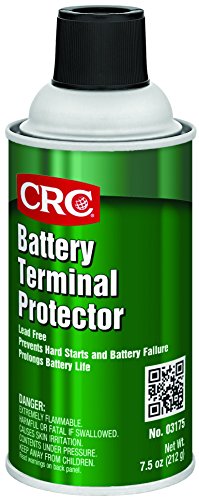
1. CRC Battery Terminal Protector Spray: best for simple, everyday coating
This is a spray-on anti-corrosion coating from CRC, sold in a 7.5 oz can. It is designed to protect battery terminals, cables and bulkhead connectors. It suits drivers who want a quick, straightforward way to coat the metal parts after cleaning them.
What the coating does
The product forms a soft protective layer over the metal. That layer acts as a barrier between the terminal and the moist, acidic air around the battery. The maker describes the coating as lead-free.
Where it fits best
Most people use this kind of spray after they have cleaned off existing corrosion. It works well as a finishing step on posts, clamps and cable ends. It is also a common choice for people who want to coat several connections at once.
Day-to-day feel
In practice, a spray like this is quick to apply and needs little skill. The coating is meant to stay in place rather than dry out and flake off. Because it is a film, you may want to recoat during routine maintenance checks.
Value for money
At a modest price, this is one of the lower-cost options in the group. It is a good fit for someone who wants basic protection without extra parts to install.
Pros
- Simple spray application that needs no special tools
- Lead-free coating listed by the maker
- Covers terminals, cables and bulkhead connectors
- Low price for a single can
Cons
- Works best on clean metal, so cleaning comes first
- Spray can overspray onto nearby parts if not used carefully
- A coating may need reapplying over time
- Does not add a physical seal the way washers do
2. NOCO NCP2 B603 Anti-Corrosion Battery Terminal Protector Washers: best for shops and fleets
This product is a pack of 50 felt washers, saturated with an oil-based corrosion preventative called NCP2. The package is built for service shops, dealers, fleets and marinas that protect many batteries at once. A single pack covers 25 batteries.
How the washers work
Each washer slips over the battery post and sits at the base, where corrosion often starts. The clamp then holds it in place. The washer is meant to seal that spot against acid fumes and moisture.
Fit and installation
The washers suit top posts and side posts. For side posts, the inner ring can be removed so the washer fits. This flexibility makes the pack useful across cars, trucks, boats and RVs.
Why the preventative stays put
The oil-based formula is described as not drying out or evaporating. It is also described as resisting moisture, shock and vibration. That matters in vehicles that bounce around on rough roads.
Value for money
Spread across 25 batteries, the cost per install is low. The bulk count makes this a practical choice for anyone who handles batteries regularly, and it is less suited to an occasional single-car owner who needs only a few.
Pros
- Pack of 50 washers covers 25 batteries
- Works on both top posts and side posts
- Oil-based preventative designed not to dry out
- Low cost per battery when spread across a pack
Cons
- Large count may be more than a casual owner needs
- Side-post fit requires removing the inner ring
- Washers are a one-time install, so they are not reapplied like a spray
- Less useful for cleaning existing corrosion on its own
3. CRC 05046-12PK Battery Terminal Protector Aerosol: best for buying in bulk
This listing is a 12-pack of 7.5 fl. oz. aerosol cans from CRC. It is the same general type of spray as the single can in the first review, bought in a larger group. The listed features are brief, so most of what can be said comes from the product type.
Who a multi-pack suits
A 12-can pack suits people who want a steady supply on hand. Garages, small workshops and households with several vehicles often fall into this group. Buying in bulk spreads out the cost of a single product.
What the listing tells you
The listing mentions specialized formulas and the maker’s commitment to continually improving its products. It does not give detailed coating claims in the data provided. For that reason, it is best to read the can label before use.
Day-to-day feel
Like other aerosols, the spray is applied from a can with a nozzle. Good ventilation is a sensible habit, since spray fumes can be strong in a closed garage. Keeping the cans in a cool, dry place helps them last.
Value for money
The total price is higher than a single can, but the per-can cost is the real measure. Someone who uses this spray often may find the pack practical. Someone who needs only one can will likely be better served by a smaller package.
Pros
- Twelve cans in one purchase suit regular use
- Same familiar aerosol application as a single can
- Backed by a maker with a wide customer base
- Useful for households or workshops with several vehicles
Cons
- High upfront cost for many people
- Listing gives few specific coating details
- Cans take up storage space
- Only worth it if you will use the whole pack
4. Johnsen’s 4605 Battery Terminal Protector: best for a lead-free coating on a budget
This product is a 7.5 oz protective coating from Johnsen’s. The maker describes it as lead-free and designed to protect terminals from corrosion. It is a useful option for someone who wants a similar coating to the CRC spray at a slightly different price point.
Core job of the coating
The coating is meant to form a protective layer over the metal. That layer slows the build-up of corrosion that can make starting harder. The listed features also say it promotes longer battery life, although results vary from vehicle to vehicle.
How it compares in use
Coatings of this type are generally applied the same way. Clean the terminal, dry it, then apply a thin layer. Because the features are much like those of other sprays in this group, the choice often comes down to price and brand preference.
Starting and battery life
Corrosion adds resistance to the electrical path, which can weaken starting power. A protective coating helps keep that resistance low over time. Even so, a coating cannot repair a battery that is already failing.
Value for money
The price sits between the lower-cost and higher-cost options in this round-up. For a single coating product, it offers a reasonable balance of cost and features. Buyers who want a lead-free finish may find it especially appealing.
Pros
- Lead-free coating listed by the maker
- Simple spray-style application
- M ore reasonable price point than many premium options
- Features closely match other coatings in this group
Cons
- Brand has fewer listed details than some competitors
- Still needs clean terminals for best results
- Results depend on the vehicle and the battery condition
- Coating may need reapplying during routine checks
5. CRC Battery Terminal Protector: best for a red coating you can see at a glance
This is a 12-pack of 7.5 oz CRC battery terminal protectors, with a distinctive red color. The color is the main feature that sets it apart from the clear or neutral coatings in this group. It suits people who like to check their connections by eye.
Why color matters
A red coating makes it easy to see where the protector has been applied. That can help during routine checks, since you can spot a missing or worn layer quickly. Visual inspection is simple, which makes it a helpful habit for beginners.
The film and how it holds up
The listing describes a soft, flexible film that will not become brittle, crack or peel. A flexible film can move with the connection rather than break apart. That is a useful trait in vehicles that vibrate during everyday driving.
Protection and power
The product is described as helping prevent corrosion-related leakage and hard starts. It is also listed as enhancing battery life and power. These are general benefits, and real results depend on the vehicle and battery condition.
Value for money
This is the highest-priced option in the round-up, and that price reflects the 12-pack size. The per-can cost matters more than the total. Someone who uses many cans regularly may find it a fair deal, while an occasional user may prefer a smaller package.
Pros
- Red color makes visual inspection easy
- Soft, flexible film described as resistant to cracking and peeling
- Listed to help prevent hard starts and corrosion leakage
- Twelve-pack suits regular or multi-vehicle use
Cons
- Highest total price in this group
- Red color may not suit every buyer’s taste
- Large pack may be more than a single-car owner needs
- Benefits depend on the battery and vehicle condition
Comparison insights: how these battery terminal protectors differ
These five products fall into two main groups. Some are sprays or coatings that you apply to clean metal. Others are washers that sit at the post base. Knowing this difference helps you choose the right type for your needs.
In terms of performance, all of them aim to slow corrosion and support steady starting. The washers add a physical seal at the post base, which some buyers find reassuring. The sprays rely on a surface film, so they depend more on careful application and periodic recoating.
Ease of use varies a little. Spray products are quick to apply and need no special parts. The washer pack needs a bit more thought, especially when fitting side posts. Even so, neither approach is difficult for a patient beginner.
Value for money depends on how much you need. A single can suits an occasional owner, while a 12-pack or a 50-washer pack suits regular use. On the other hand, buying in bulk only pays off if you actually use the whole supply.
Battery terminal protector buying guide: key factors in plain words
Before you buy, it helps to know what you are looking for. The main factors are the type of protector, the quantity, the fit with your battery posts, and the price per use. Each one affects how well the product works for you.
Type of protector
A spray or coating forms a thin film over the metal. A washer sits at the base of the post and adds a physical seal. Some people use both, while others pick one based on their needs.
Quantity and number of batteries
Think about how many batteries you will protect in a year. A single vehicle may only need one can or a small pack. A workshop or fleet may need a large count to cover many installs.
Fit with your posts to the posts and clamps
Check if your battery has top posts or side posts. Some washers fit only one type without modification. A spray works on either style, as long as you can reach the metal to coat it.
Price per use
The sticker price is only part of the story. Divide the cost by the number of batteries or applications you will get from it. A larger pack often gives a lower cost per use, if you will use all of it.
Clean metal comes first
Most protectors work best on clean, dry terminals. Corrosion underneath a coating can keep causing trouble. Cleaning the posts and clamps with a wire brush or a suitable cleaner is a common first step.
Visibility and routine checks
Some buyers want a coating they can see easily, such as a red one. Others prefer a clear or neutral finish. Either choice works, as long as you check your connections from time to time.
Who should buy these battery terminal protectors?
Each product suits a different type of buyer. The right choice depends on how many batteries you handle, how you like to apply protection, and how much you want to spend. Matching your situation to a product helps you avoid buying more than you need.
The occasional car owner
If you protect one vehicle and only occasionally, the single CRC Battery Terminal Protector Spray is a simple place to start. It is quick to apply and has a modest price. It fits well into a basic maintenance routine.
The budget-minded buyer
Someone who wants a lead-free coating without paying the top price may consider the Johnsen’s 4605 coating. It offers a similar coating approach at a reasonable cost. Its features line up closely with other sprays in this group.
The shop, dealer or fleet manager
Anyone who services many batteries will likely find the NOCO washer pack more practical. The 50-washer count covers 25 batteries, which suits a busy service bay. The cost per install stays low across a large job.
The household or workshop with several vehicles
If you care for multiple vehicles or simply like to keep a steady supply, the 12-pack CRC aerosol may suit you. The bulk count avoids frequent repurchases. It works best when you will actually use the full pack.
The buyer who likes a visible coating
People who want to check their connections at a glance may prefer the red 12-pack CRC protector. The bright color makes missing or worn coating easy to spot. It suits those who value simple visual checks.
Common mistakes to avoid with battery terminal protectors
Even a good product can fall short if it is used the wrong way. Most problems come from skipping a step or expecting too much from a single application. Knowing the common errors helps you get better results.
Applying over dirty or corroded metal
A protector cannot undo corrosion that is already there. Coating over crust can trap moisture and keep the problem going. Clean the terminals first, then dry them before you apply anything.
Forgetting to disconnect the battery
Working near a battery carries real risks, including sparks and acid. A common safe habit is to disconnect the cables before you work on the terminals. Check your vehicle’s manual for the correct order.
Overspraying nearby parts
A spray can drift onto belts, sensors or painted surfaces if you are careless. Aim the nozzle carefully and cover nearby parts where needed. Good ventilation also helps in an enclosed space.
Expecting one application to last forever
Coatings can wear down over time, especially in harsh weather or on vehicles that vibrate a lot. Routine checks help you spot when a fresh layer is needed. Think of protection as ongoing maintenance, not a one-time fix.
Buying more than you need
A large pack looks like a bargain, but it only saves money if you use it. A casual owner may be better off with a smaller package. Match the quantity to how often you will actually apply it.
Final verdict on the best battery terminal protector
There is no single winner for every buyer, because the right choice depends on your needs. The simple CRC spray suits for a single vehicle and a quick routine. The NOCO washer pack suits shops and fleets that handle many batteries.
The 12-pack CRC aerosol and the red 12-pack CRC protector suit people who want a steady supply, while the Johnsen’s coating offers a lead-free option at a moderate price.
In short, match the product type and quantity to how often you will use it.
Clean your terminals first, check them from time to time, and you will get the most from any of these options.
Frequently Asked Questions
What is a battery terminal protector?
A battery terminal protector is a coating or washer that helps slow corrosion on the metal parts of a battery. Corrosion is the white or greenish crust that can build up over time. Protectors help keep the connection clean and conductive.
Do I need to clean the terminals before applying a protector?
Yes, in most cases you should. Clean, dry metal helps the protector bond well and works better over time. Coating over existing corrosion can trap moisture underneath.
Is a spray or a washer better?
Neither is better for everyone. Sprays are quick and simple, while washers add a physical seal at the post base. Your choice depends on how many batteries you handle and how you like to work.
How often should I reapply a protector?
There is no fixed schedule that applies to every vehicle. A good habit is to check your terminals during routine maintenance and reapply when the coating looks worn. Follow the directions on the product label.
Can a protector fix a battery that is already failing?
No, a protector cannot repair a weak or failing battery. It only helps slow corrosion on the connections. If your battery struggles to start, have it checked by a qualified technician.

Peterson is an automotive enthusiast and auto parts reviewer with a passion for vehicle maintenance, upgrades, and performance. He enjoys researching and testing car parts, tools, and accessories to help drivers make informed buying decisions. Through AutoPartsTalk.com, Peterson shares honest reviews, practical maintenance tips, and expert guides to keep vehicles running safely and efficiently.