How to Change Your Car Battery When Your Car Won’t Unlock?
Your car battery is dead. You can’t get inside. Your doors won’t unlock. Your panic is rising. Take a breath. This is more common than you think, and you can fix it yourself without paying big money at a repair shop.
In this guide, I’ll walk you through everything you need to know about changing a car battery when your vehicle has become a locked box. You don’t need to be a mechanic. You don’t need fancy tools. You just need to follow the steps, stay calm, and know what to do.
Why Won’t Your Car Unlock When the Battery Is Dead?
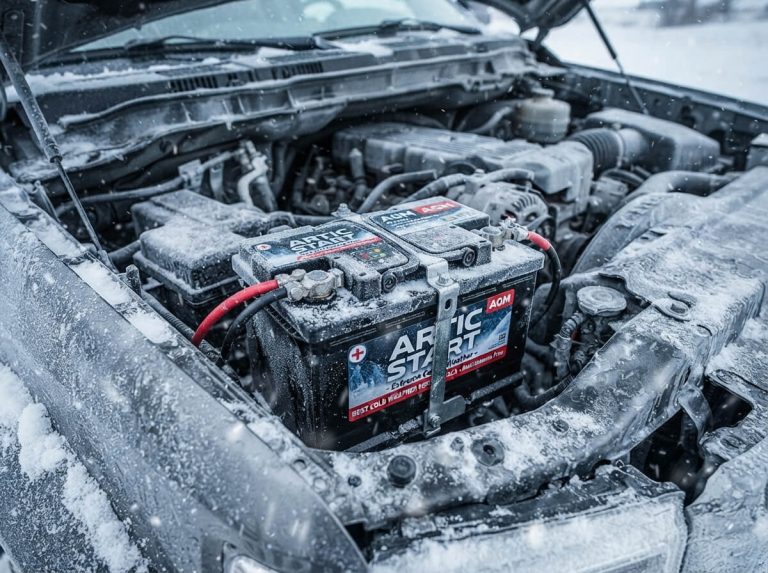
A dead car battery is the enemy of your car’s electrical system. Your vehicle’s power locks, windows, and every electrical gadget depends on power from that battery. When your car battery fails completely, the power locks quit working. The key fob won’t work. The electric door lock mechanism can’t do its job.
A discharged battery affects power door locks more than you’d expect. Most cars today use electric locks controlled by the battery’s power. Without battery power, you’re stuck outside your own vehicle. This is why learning how to deal with a dead car battery is so important for any car owner.
Your engine won’t start either. The battery powers the starter motor, which cranks your engine to life. A weak or dead car battery means your engine stays silent. The situation feels hopeless, but the good news is that replacing a car battery is simpler than most people think.
Signs That Your Car Battery Needs Replacement
Before you get locked out, your battery probably gave you some clues. A dead battery doesn’t fail without warning. Your car shows signs that the battery is dying.
Dimming interior lights happen when your battery gets weak. The lights flicker or fade when you turn on the engine. Slow engine cranking is another big sign. Your engine turns over slowly instead of firing up right away. The starter motor struggles because the battery can’t deliver enough power.
Clicking sounds when you turn the key is a classic symptom. Click, click, click. That’s your battery screaming for help. A sulfur smell from under the hood suggests battery problems. That rotten egg odor means your battery is leaking acid.
Swelling or bulging on the battery case tells you the battery is done. Extreme temperatures make batteries swell up. Corroded battery terminals look like blue or white crusty buildup around the connection points. This corrosion blocks power flow.
If your car battery is old, you’re living on borrowed time. Car batteries typically last three to five cycles. After that, failure is coming. Don’t wait for it to die when you’re far from home.
What You’ll Need to Change Your Car Battery
Gather your supplies before you start. You don’t want to begin the job and realize you’re missing something. Here’s what every battery change requires:
A replacement car battery that matches your vehicle’s specifications. Check your owner’s manual or ask an auto parts store what battery your car needs. Batteries come in different sizes and power levels. Getting the right one matters.
Basic hand tools including a socket wrench or adjustable wrench, a screwdriver (both Phillips and flathead), and pliers. You might need an Allen wrench depending on your car model.
Safety gear keeps you protected during battery replacement. Wear work gloves to avoid battery acid burns. Safety glasses protect your eyes from acid spray. A small battery terminal puller tool helps remove corroded connections, but it’s optional if you have pliers.
Battery terminal cleaner removes that crusty corrosion from the old battery terminals. A mixture of baking soda and water works just fine if you don’t have commercial cleaner.
Rags or paper towels for cleaning and wiping away corrosion. You’ll go through several, so keep plenty around.
A bucket of water helps rinse away baking soda solution if you use it for cleaning.
A safe workspace away from traffic. Your driveway works. A parking lot works. Just find a flat surface where you can work safely.
Step-by-Step Guide to Changing Your Car Battery
Step 1: Locate Your Battery
Pop your hood and find the battery. Most car batteries sit in the engine compartment. Some vehicles hide the battery under the trunk or under a plastic cover. Check your owner’s manual if you can’t find it. Once you spot it, you’ll see a black box with two cable connections.
Step 2: Disconnect the Negative Terminal First
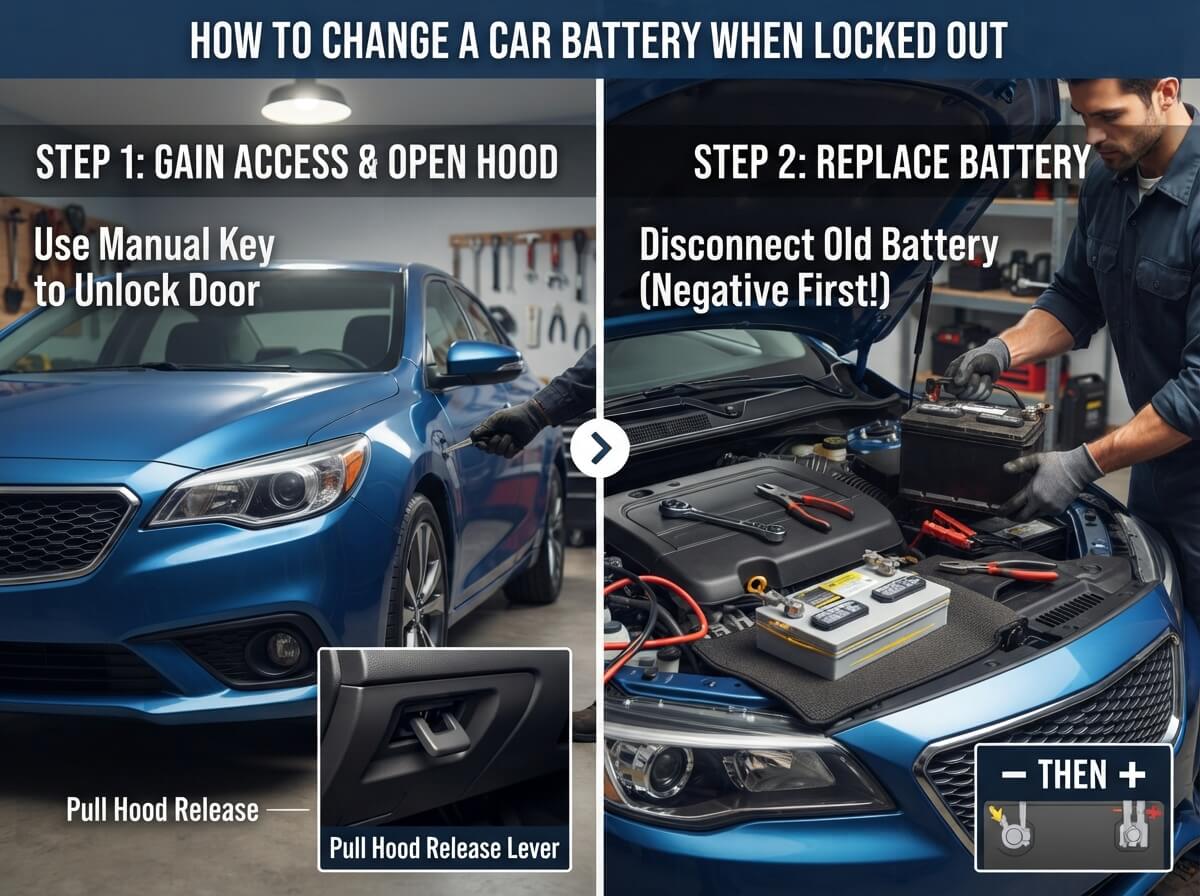
This step is critical. Always start with the negative terminal. The negative cable connects to the negative post, usually marked with a minus sign or a black cover. Loosen the bolt holding the negative cable to the terminal using your wrench.
Slide the cable off the post. Push the cable away from the battery. This disconnects your vehicle from the battery power. Never skip this step. Starting with the positive side can cause dangerous sparks.
Step 3: Disconnect the Positive Terminal
Now disconnect the positive terminal. It has a plus sign or a red cover. Loosen the bolt holding the red or positive cable. Slide the cable off the post. Push it away from the battery.
You’ve now disconnected both cables. Your car is electrically isolated from the battery. This makes the job safer.
Step 4: Remove the Battery Hold-Down
Batteries sit in a metal bracket that holds them in place. This battery hold-down prevents movement when your car bounces down the road. Loosen the bolts holding this bracket with your wrench. Some brackets have just one bolt. Others have two.
Lift the bracket away from the battery. Set it aside. Don’t lose the bolts.
Step 5: Lift Out the Old Battery
Car batteries are heavy. Most weigh between 30 and 50 pounds. Use proper lifting technique. Bend your knees. Keep your back straight. Lift with your legs, not your back. Grip both sides of the battery.
Slowly lift the battery straight up out of the compartment. Don’t bang it against the metal edges. Tilt it slightly if needed to clear the opening. Set the old battery down safely. Don’t drop it.
Dispose of your old battery properly. Auto parts stores accept used batteries. Some charge a core fee and give you credit toward your new battery purchase. Never throw a battery in the trash.
Step 6: Clean the Battery Terminals
Look at the battery posts in the battery compartment. Corrosion built up on them. White, blue, or green crusty stuff covers the posts. This corrosion blocks good electrical contact.
Mix baking soda with a small amount of water to make a paste. Scrub the corroded posts with a brush or old cloth. Rinse with clean water. Dry everything completely. Clean battery terminals ensure good power flow.
Step 7: Insert the New Battery
Carefully lift your new battery and position it into the battery compartment. Lower it slowly onto the battery tray. Make sure it sits flat and level.
The new battery should fit the space exactly like the old one did. Don’t force it. If it doesn’t fit right, check that you got the correct battery size for your vehicle.
Step 8: Secure the Battery with the Hold-Down Bracket
Place the metal bracket back over the battery. Align the bolt holes. Tighten the bolts with your wrench. Don’t overtighten. You want the battery held securely, not crushed. Hand tight is good enough.
Step 9: Reconnect the Positive Terminal First
Wait, didn’t I say to disconnect negative first? Yes, but when reconnecting, you do the opposite. Connect positive first.
Slide the red or positive cable onto the positive post. Tighten the bolt. Make it snug but not bone-crushing tight.
Step 10: Reconnect the Negative Terminal
Now slide the black or negative cable onto the negative post. Tighten the bolt. Again, snug is better than super tight.
You’ve now completed the physical battery change. Both cables are connected. Your new battery is secure.
Step 11: Test Your Car
Close the hood. Get in the driver’s seat. Try to start the engine. If all went well, your car should fire right up. The dashboard lights should shine bright. Your power locks should work again.
Sit for a moment and let the engine run. Everything should feel normal again. No clicking sounds. No dim lights. Just your car running like it should.
How to Deal with a Locked Car During Battery Replacement
What if you can’t access the battery because your car is locked? This creates a catch-22 situation. You need to change the battery, but the dead battery prevents you from unlocking the car.
Use your key to unlock the door manually. Most car keys have a hidden mechanical key blade inside the key fob. Look for a small slot or button on the key fob. Slide out the mechanical key. Insert this key into the door lock. Turn it to unlock the driver’s door.
If this doesn’t work, call a locksmith. A professional can unlock your car without damaging anything. Yes, it costs money, but it saves your car from damage.
Contact roadside assistance. Many insurance policies include roadside assistance. AAA members can call for help. These services can unlock your car and sometimes even jump-start it for you.
Call the dealership. Your car manufacturer has records of your vehicle. They can provide master key codes that unlock your specific car. This takes longer but works.
Once you get the door open, you can access the battery compartment and proceed with the replacement.
Safety Tips for Changing Your Car Battery
Wear safety gear. Gloves protect your hands from battery acid. Safety glasses shield your eyes. Battery acid causes burns and permanent eye damage.
Never smoke near the battery. Batteries produce hydrogen gas that’s flammable. A spark or flame near the battery could cause an explosion.
Don’t mix battery terminals. Hooking positive to negative connections causes electrical damage and sparks. Always connect negative last during installation. Always disconnect negative first during removal.
Work in a well-ventilated area. Battery acid fumes aren’t healthy to breathe. Open air or a garage with the door open works fine.
Keep water and baking soda nearby. If you splash battery acid on your skin, wash it immediately with water. Then neutralize it with baking soda solution.
Disconnect both terminals completely. Don’t just loosen them. Slide them completely off the posts. Loose connections can cause sparks.
Never touch both battery terminals simultaneously with metal. This creates a short circuit and sparks.
Troubleshooting Common Battery Problems
Your car still won’t start after battery replacement. First, double-check that both cables are connected tight. Loosen and retighten them. If the car still won’t start, you might have a bad starter motor or alternator, not a battery problem. Get professional help.
Corrosion returns quickly after cleaning. This suggests your charging system isn’t working right. The alternator should keep the battery charged. Have your alternator tested by a professional.
The new battery feels hot. Turn off the car immediately. A hot battery indicates an electrical problem. Don’t drive the vehicle. Call for help.
Dashboard warning lights stay on. These lights tell you the alternator isn’t charging properly. Or you have another electrical issue. Professional diagnosis is needed.
Your battery keeps dying. Something is draining power when the car is off. This could be a faulty door switch, bad relay, or parasitic draw. A mechanic can find the culprit.
When to Call a Professional
You can handle battery replacement yourself in most cases. Some situations need professional help.
Call a mechanic if you have an unusual battery location. Some luxury cars hide the battery in odd places. The battery might sit under the back seat or in the trunk. Accessing it requires removing interior trim. Let a pro handle this.
Call if your car won’t start after replacement. This suggests other electrical problems beyond the battery.
Call if you see battery leaks or damage. Battery acid is dangerous. Don’t handle a damaged battery yourself.
Call if you feel uncomfortable working on your car. There’s no shame in paying someone. Your safety matters more than saving money.
How to Keep Your Battery Healthy
A healthy battery lasts longer and prevents lockout situations.
Drive your car regularly. Short daily drives keep the battery charged. If you leave your car parked for weeks, the battery dies.
Check battery terminals for corrosion. Clean them if white or blue buildup appears.
Turn off accessories before turning off the engine. Lights, radio, and climate control drain the battery.
Don’t leave headlights on. This common mistake kills batteries fast.
Get your charging system tested. Your alternator should keep the battery charged while driving. Have it checked if you suspect problems.
Replace an aging battery before it fails. If your battery is over five years old, replacement time is near.
Frequently Asked Questions
How much does a new car battery cost?
Car batteries run between $100 and $300 depending on your vehicle. Higher-end cars need more expensive batteries. Auto parts stores often offer discounts or rebates.
Can I change the battery myself or should I go to a shop?
You can absolutely change it yourself if you’re comfortable using basic tools. The job takes 15 to 30 minutes for most cars. If you’d rather have professionals do it, most shops charge $50 to $100 for labor.
What should I do with my old battery?
Auto parts stores accept used batteries for recycling. Many offer core credits that reduce the price of your new battery. Never throw batteries in the trash.
How long does a car battery last?
Most car batteries last three to five years. Extreme temperatures and driving habits affect lifespan. Hot climates kill batteries faster. Frequent short trips drain them quicker.
Can a dead battery damage other car parts?
A dead battery won’t damage other parts. However, old batteries that leak acid can corrode metal. Regular corrosion cleaning prevents major damage.
Is it safe to jump-start a car with a dead battery?
Yes, jump-starting is safe when done correctly. Use jumper cables properly and follow the manufacturer’s instructions. Jump-starting can bring enough power to start the engine. However, once started, drive to an auto parts store and replace the battery. A jump is temporary, not a cure.
Final Thoughts on Car Battery Replacement
Changing your car battery is not as scary as it sounds. You have the knowledge now. You understand the process. You know what tools you need. Most importantly, you know you can do this yourself.
A dead car battery that locks you out of your vehicle is frustrating, but it’s fixable. Take your time. Follow the steps. Stay safe. You’ll have your car running again in less than an hour.
Remember: negative terminal first when disconnecting, positive first when reconnecting. Clean those corroded terminals. Secure the hold-down bracket. Test your work. You’ve got this.
If you hit a snag or feel unsure at any point, stop and call a professional. There’s no prize for struggling alone. Your safety and your vehicle matter more than proving you can do it yourself.
Now get out there and change that battery. Your locked car is waiting for you to set it free.