5 Best Brake Pads for Daily Driving In 2026
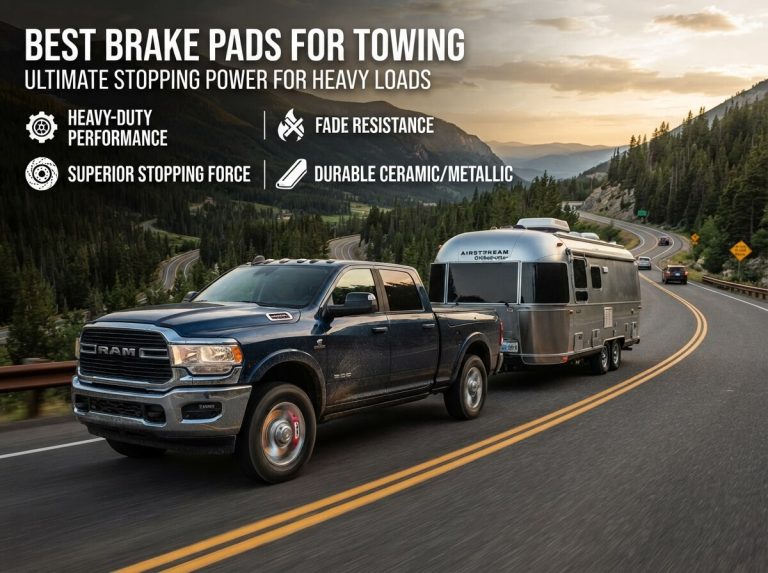
Brakes are not the part of a car people think about until something feels off. A soft pedal, a squeal at a stop sign, or a shudder when you slow down on the highway — these small signs usually point to one thing: it’s time for new pads. If you drive every day, in traffic, in rain, on hot pavement, or while towing a trailer, your brake pads work harder than most people realize. The right set can make your commute smoother, quieter, and a lot safer.
This roundup looks at five brake pad options that cover a wide range of daily drivers, from full-size trucks and SUVs to compact European cars, and even a set built for bikes. Each one has a different job to do, so instead of naming one single “best” pad for every single vehicle, this guide breaks down what each product does well, where it falls short, and who it actually fits. By the end, you’ll have a clear picture of which pad matches your driving style, your vehicle, and your budget.
Before jumping into the reviews, it helps to know a bit about what makes a brake pad good for daily use. A daily driver pad needs to be quiet, produce low dust, bite consistently from a cold start, and hold up over thousands of stops without fading. It also needs to be gentle on your rotors so you’re not replacing parts more often than needed. Keep these points in mind as we go through each pick.
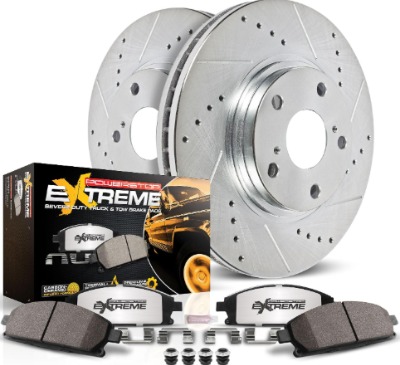
1. PowerStop Z36 Truck & Tow Brake Pad & Rotor Kit Front (K2069-36) — For Chevrolet Silverado 1500, Chevrolet Tahoe, GMC Yukon
Product Description
The PowerStop Z36 kit is built for people who use their trucks and SUVs for real work, not just grocery runs. It pairs carbon-fiber ceramic brake pads with drilled and slotted rotors, and it’s made to fit popular GM trucks and SUVs like the Silverado 1500, Tahoe, and Yukon. This is a complete front-axle kit, meaning you get both pads and rotors in one box, which saves you the hassle of matching parts separately.
Best Use Cases
This kit is aimed at drivers who tow trailers, haul heavy loads, or drive a truck that sees frequent stop-and-go duty. If your daily routine includes pulling a boat, hauling landscaping supplies, or just driving a heavier SUV packed with passengers and cargo, this is the type of pad built with that in mind.
Key Features Explained Simply
The carbon-fiber ceramic friction material is designed to handle higher heat than a standard ceramic pad. Towing generates a lot of extra heat at the rotor and caliper because you’re asking the brakes to slow down more mass. The drilled and slotted rotor design helps gas and dust escape from between the pad and rotor surface during hard braking, which can reduce brake fade during long descents or repeated hard stops.
The kit also comes with new hardware, including clips and shims, so the calipers seat properly and pad noise stays low. This matters more than people expect, since old worn hardware is one of the most common causes of brake squeal even after a fresh pad install.
Real-Life Usage Insight
Owners of trucks and full-size SUVs often mention that stock pads feel underpowered once you start adding weight, whether that’s a trailer, a full bed of tools, or a cabin full of people. A pad built for towing duty tends to feel more planted under load, with less of that spongy or fading sensation you can get from standard pads pushed past their comfort zone.
Pros
- Handles high heat better than standard ceramic pads, useful for towing and hauling
- Complete kit means pads and rotors are matched for fitment
- Slotted and drilled rotor design helps with heat and gas dispersal
- Comes with fresh hardware for a quieter, tighter install
- Strong stopping power under heavier loads
Cons
- Overkill for someone who never tows or hauls heavy cargo
- Slightly more dust than a basic ceramic pad in some cases
- Higher price point than a pad-only kit
- Drilled rotors can develop hairline cracks faster under extreme repeated heat cycles compared to plain rotors
Performance Discussion
Under normal commuting, this kit performs smoothly with a firm, predictable pedal. Where it really shows its value is under load. Trucks and SUVs pulling weight need more braking authority, and this kit is tuned to deliver that without excessive fade during long stops, like coming down a grade with a loaded trailer.
Ease of Installation
Since it’s a full kit, installation is more straightforward than mixing and matching separate brands of pads and rotors. Basic mechanical skill and standard tools are enough for most home garages, though a torque wrench is recommended to get lug nuts and caliper bolts to spec.
Value for Money
Given that you get rotors and pads together, along with hardware, the price feels fair for what you get, especially compared to buying these components separately from different brands. For anyone who tows regularly, the extra durability justifies the cost.
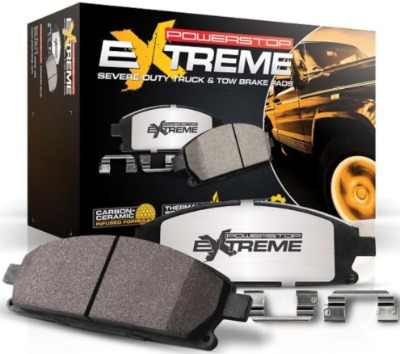
2. PowerStop Z36 Front Brake Pads (Z36-2087) — For Ford F-150, Ford Expedition, Lincoln Navigator
Product Description
This is a pad-only version of PowerStop’s Z36 Truck & Tow line, fitted for the Ford F-150, Ford Expedition, and Lincoln Navigator. It’s built with the same carbon-fiber ceramic formula as the kit above but skips the rotors, making it a good option if your rotors are still in decent shape and only need a pad swap.
Best Use Cases
This pad set fits full-size truck and SUV owners who tow trailers, carry heavy cargo, or simply want stronger braking response from a large, heavy vehicle. It’s also a smart pick for anyone who already replaced their rotors recently and just needs fresh pads to match.
Key Features Explained Simply
The carbon-fiber ceramic blend is formulated to resist heat fade, which happens when brakes get so hot that the friction material temporarily loses its grip on the rotor. For a heavy truck or SUV, especially one used for towing, this resistance to fade is one of the biggest selling points. The pads also include installation hardware, so you’re not stuck reusing old, worn clips that can cause rattling or uneven pad wear.
Real-Life Usage Insight
Full-size trucks like the F-150 are often used for a mix of daily commuting and occasional heavy-duty tasks, from hauling mulch to pulling a camper on weekend trips. A pad built to handle that swing in demand — quiet on Monday morning traffic, strong on Saturday’s tow run — fits that lifestyle well. Reports from drivers who use Z36 pads on trucks tend to point toward better pedal feel under load compared to basic economy pads.
Pros
- Strong resistance to brake fade during heavy use or towing
- Comes with hardware for a clean, quiet installation
- Direct fit for popular Ford and Lincoln truck and SUV models
- Firm, confident pedal feel
- Good middle ground between comfort and performance
Cons
- Not the quietest pad on the market for pure daily commuting
- Can produce a bit more brake dust than economy ceramic pads
- Pad-only kit means rotors must already be in good shape or bought separately
Performance Discussion
On a daily commute, these pads feel responsive without being grabby. The bite is progressive, meaning the harder you press, the more stopping power you get, rather than an abrupt on-off feeling. Under towing conditions, the difference becomes clearer, with less fade during extended braking like highway offramps or downhill stretches.
Ease of Installation
Bolt-on fitment for the listed vehicles makes this a manageable DIY project for anyone comfortable with basic brake work. The included hardware simplifies the process, since you won’t need to source clips or shims separately.
Value for Money
Since this is a pad-only option, it’s more affordable than the full kit while still delivering the towing-focused performance PowerStop is known for. For truck owners with healthy rotors, this is a smart way to upgrade braking power without paying for parts you don’t need.
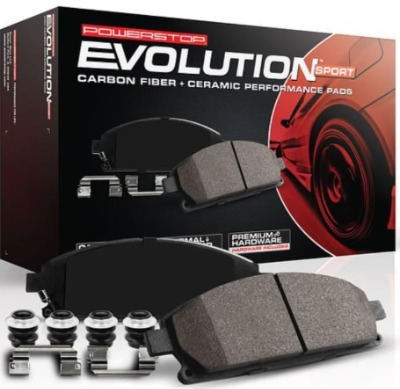
3. PowerStop Z23 Front Brake Pads (Z23-1633) — For Audi A3 Quattro, Q3, S3, Volkswagen Arteon, CC
Product Description
The Z23 line is a different animal compared to the Z36 pads above. Instead of chasing towing capacity, this pad is tuned for everyday street driving in cars, particularly German and European models like the Audi A3, Q3, S3, and Volkswagen Arteon and CC. It’s a carbon-fiber ceramic pad built with daily comfort and low dust in mind.
Best Use Cases
This pad fits drivers who want quiet, clean, comfortable braking for city and highway driving in a car, not a truck. If your daily routine is mostly commuting, errands, and highway trips without towing or hauling, this is the type of pad designed for exactly that.
Key Features Explained Simply
Z23 pads use a formula aimed at reducing brake dust, which is a common complaint with European performance cars that often come with dust-prone stock pads. Less dust means cleaner wheels and less time spent scrubbing brake grime off your rims. The carbon-fiber ceramic material also keeps noise low, which matters a lot in a passenger car where road noise is already something drivers try to minimize.
Real-Life Usage Insight
Owners of compact European crossovers and sedans often care about ride comfort and cabin quietness just as much as raw stopping power. A pad that squeals or grinds ruins that experience fast. The Z23 line is built to blend into the background, giving smooth, quiet stops that don’t call attention to themselves, which is exactly what most daily drivers want.
Pros
- Low dust formula keeps wheels cleaner for longer
- Quiet operation, well suited for passenger cars
- Smooth, linear pedal feel for city and highway driving
- Direct fit for several popular Audi and Volkswagen models
- Comes with hardware for easier installation
Cons
- Not designed for towing or heavy hauling
- Braking bite is milder compared to performance-oriented pads
- May feel underwhelming to drivers who want an aggressive, sporty pedal feel
Performance Discussion
In daily driving, these pads deliver a calm, predictable stop every time. Around town, at stoplights, in parking lots, and on the highway, the pedal feels natural without being twitchy. This is not a track pad, and it doesn’t try to be. It’s built for comfort-focused commuting, and it does that job well.
Ease of Installation
Fitment is specific to the listed Audi and Volkswagen models, so double-check your exact trim and model year before buying. Installation follows a standard process and is manageable for a confident DIYer or a quick job for a shop.
Value for Money
For a comfort-focused daily pad on a European vehicle, this is a reasonable price point, especially compared to OEM replacement costs. The low-dust formula alone can save time and effort on wheel cleaning over the life of the pads.
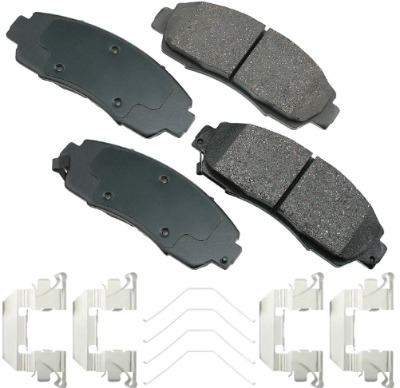
4. Akebono ACT1089A Ultra-Premium Ceramic Front Disc Brake Pads (Grey)
Product Description
Akebono has a long-standing reputation in the ceramic brake pad space, and the ACT1089A Ultra-Premium line reflects that. This pad is built around a ceramic formula designed for quiet operation, low dust, and consistent daily performance across a wide range of vehicles, depending on the specific fitment ordered.
Best Use Cases
This pad is a strong fit for anyone who wants a dependable, no-drama daily driver pad. It suits commuters, family car owners, and anyone who just wants brakes that work quietly and predictably without needing to think about them.
Key Features Explained Simply
Akebono’s ceramic formula is known for producing very little dust, which keeps wheels looking cleaner for longer. The pads are also engineered to minimize noise, using shims and a friction compound designed to dampen vibration, which is the main cause of brake squeal. Since Akebono originally built its reputation supplying pads for OEM manufacturers, the ACT1089A carries some of that same engineering approach into the aftermarket space.
Real-Life Usage Insight
Daily commuters often prioritize three things from brake pads: quiet operation, clean wheels, and a pedal that feels natural without much thought. Akebono pads tend to check all three boxes for typical sedans, crossovers, and light SUVs. Drivers switching from noisy or dusty pads to Akebono ceramic pads often notice the difference within the first week of driving.
Pros
- Very low dust output, keeping wheels cleaner
- Quiet braking with minimal squeal
- Smooth, natural pedal feel for everyday driving
- Reputation built on years of OEM-level engineering
- Wide range of vehicle fitments available under this line
Cons
- Not intended for towing, hauling, or performance driving
- Slightly softer initial bite compared to more aggressive aftermarket pads
- Premium ceramic formula comes at a higher price than economy pad options
Performance Discussion
For daily commuting, these pads offer some of the smoothest, quietest stops in this roundup. The bite builds gradually, which many drivers find easier to modulate in traffic. Stopping distances stay consistent across normal daily use, though this is not the pad to reach for if you’re regularly pushing your vehicle hard or carrying heavy loads.
Ease of Installation
Installation follows a typical bolt-on process, and since Akebono designs these with OEM-style fitment in mind, alignment with factory calipers and rotors tends to be straightforward.
Value for Money
This sits at a premium price point among ceramic pads, but the low dust, quiet operation, and long track record of reliability make it a solid investment for someone who wants to install a pad once and not think about brake noise or dust again for a long while.
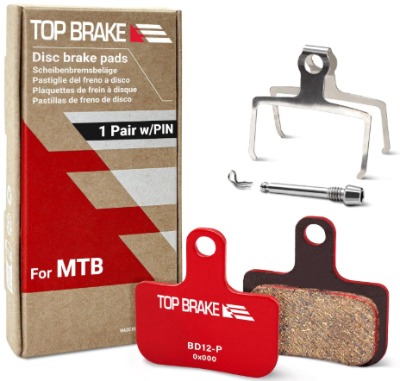
5. Disc Bike Brake Pads Compatible with SRAM Level Ultimate/T/TL/TLM B1, Force eTap AXS, Red eTap AXS (Gen. 2)
Product Description
This entry shifts gears completely, moving from cars and trucks to bicycles. These are replacement disc brake pads built for SRAM hydraulic disc brake systems, covering models like Level Ultimate, Force eTap AXS, and Red eTap AXS. They’re aimed at road, gravel, cross-country, and trail riders who use disc brakes rather than old-style rim brakes.
Best Use Cases
These pads suit daily cyclists and commuters who rely on a bike as part of their regular routine, along with gravel and cross-country riders who need reliable stopping power on mixed terrain. If you commute by bike through city traffic or ride trails regularly, having fresh, well-matched brake pads is just as important as it is for a car.
Key Features Explained Simply
Disc brake pads for bikes work on the same basic idea as car brake pads: friction material presses against a rotor to slow the wheel. These pads are built to match SRAM’s hydraulic disc brake calipers precisely, which matters because a poor match can lead to rubbing, weak stopping power, or uneven wear. Materials used in bike disc pads are usually either resin (organic) or metallic sintered compounds, each with different bite characteristics and heat tolerance, and this listing is designed to be a direct swap for SRAM-specific calipers.
Real-Life Usage Insight
Cyclists who commute daily in city traffic depend on brakes just as much as drivers do, especially when navigating pedestrians, cars, and sudden stops. Riders who tackle gravel or cross-country trails also lean on strong, consistent braking to handle loose or uneven surfaces. Worn or mismatched pads on a bike can mean a longer stopping distance at exactly the moment you need it most, so keeping these fresh is a small maintenance task with a big safety payoff.
Pros
- Direct fit for popular SRAM hydraulic disc brake systems
- Useful for commuting, gravel riding, and cross-country trail use
- Straightforward replacement part for regular bike maintenance
- Helps maintain consistent braking feel as old pads wear down
- Affordable way to keep a bike’s braking system performing well
Cons
- Specific to SRAM systems, so it won’t fit other brake brands
- Resin and sintered pad types wear differently depending on terrain and conditions, so riders need to know which type suits their riding style
- Requires some basic mechanical comfort to install correctly, including proper caliper alignment
Performance Discussion
For daily bike commuting and trail riding, these pads deliver a predictable and firm stop when installed correctly. Riders switching from worn OEM pads to a fresh set often notice sharper lever feel and reduced noise, especially in wet conditions where old pads tend to squeal.
Ease of Installation
Bike disc brake pads are generally easier to swap than car brake pads, often needing only a few basic tools like a small hex wrench. That said, proper alignment between the pad and rotor is important to avoid rubbing or uneven wear, so it helps to follow a clear guide or have a bike shop double-check the job the first time.
Value for Money
These pads are priced reasonably for routine bike maintenance, and keeping up with pad replacement is far cheaper than dealing with rotor damage caused by worn-out pads grinding metal on metal.
Comparison Insights
Looking at all five products side by side, a clear pattern shows up: pad choice depends heavily on what you’re driving and how you use it.
The two PowerStop Z36 options (truck and tow kit and pad-only set) are built for heavier vehicles carrying loads, towing trailers, or hauling cargo. They trade a little extra dust and noise for stronger heat resistance and fade control.
The PowerStop Z23 pads take a completely different approach, favoring comfort, quiet operation, and low dust for compact European vehicles used mostly for commuting rather than towing.
Akebono’s ACT1089A leans even further into comfort and cleanliness, with one of the quietest, lowest-dust profiles in this group, making it a strong all-around daily driver pick for sedans, crossovers, and light SUVs.
The SRAM-compatible bike pads stand apart from the rest since they’re not for cars at all, but the underlying idea is the same: match the pad to the braking system and the way you actually use your vehicle, whether that vehicle has four wheels or two.
Buying Guide: How to Pick the Right Brake Pads
Match the Pad to Your Vehicle Type
A heavy truck used for towing needs a different friction compound than a lightweight commuter car. Trying to save money by putting a comfort-focused pad on a towing vehicle can lead to fade and reduced stopping power under load, while putting an aggressive towing pad on a small car can mean extra noise and dust for no real benefit.
Think About Your Driving Habits
If most of your driving is city traffic and highway commuting, a low-dust, quiet ceramic pad like the Z23 or Akebono line will likely suit you better than a heavy-duty towing pad. If you regularly haul or tow, the added heat resistance from a Z36-style pad becomes far more valuable.
Pay Attention to Dust and Noise Ratings
Brake dust is more than a cosmetic issue. It’s made up of tiny particles from the friction material and rotor surface, and over time it builds up on wheels and can even affect air quality inside a garage. Low-dust ceramic pads reduce this buildup, keeping wheels cleaner and cutting down on maintenance time.
Check Fitment Carefully
Brake pads are not universal. Always confirm the exact make, model, year range, and trim of your vehicle against the listed fitment before buying. A pad that’s slightly off in size or shape can cause uneven wear, noise, or even fail to seat properly in the caliper.
Don’t Ignore Rotors
Pads and rotors work as a team. If your rotors are worn, warped, or below minimum thickness, even the best pad won’t perform well. In cases like the PowerStop Z36 kit, buying pads and rotors together ensures they’re properly matched from the start.
Consider Bedding-In Requirements
New brake pads usually need a break-in period, sometimes called bedding-in, where you perform a series of controlled stops from moderate speed to transfer a thin, even layer of friction material onto the rotor surface. Skipping this step can lead to uneven bite, noise, or reduced stopping power early on.
Who Should Buy These Products
Truck and SUV owners who tow or haul regularly should look at the PowerStop Z36 kit or the Z36 pad-only set, depending on whether their rotors need replacing too.
Drivers of compact European cars and crossovers who want quiet, clean, comfortable daily braking should consider the PowerStop Z23 line.
Commuters and family car owners who want dependable, low-dust, low-noise performance without towing needs will likely be happiest with the Akebono ACT1089A.
Cyclists who commute daily or ride gravel and cross-country trails on SRAM-equipped bikes should look at the SRAM-compatible disc brake pads to keep their braking system fresh and reliable.
Common Mistakes to Avoid
Buying based on price alone. The cheapest pad on the shelf might save money upfront but often comes with more noise, more dust, and a shorter lifespan.
Ignoring your driving style. A comfort pad on a towing vehicle, or a heavy-duty pad on a light commuter car, rarely gives the best result. Match the pad to how you actually drive.
Skipping the bedding-in process. New pads need a proper break-in period to perform at their best. Jumping straight into hard stops right after installation can hurt long-term performance.
Overlooking rotor condition. Fresh pads paired with worn, scored, or warped rotors won’t deliver the smooth, quiet braking you’re expecting.
Not checking exact fitment. Even within the same vehicle model, trim levels and production years can change brake fitment. Always confirm before ordering.
Forgetting hardware. Reusing old, worn clips and shims is one of the top causes of brake squeal, even with brand new pads. Fresh hardware, when included, helps prevent this.
Neglecting bike brake alignment. For cyclists, installing new pads without properly aligning the caliper to the rotor can cause rubbing noise and uneven wear right from the start.
Final Verdict
There’s no single pad that works best for every driver, and that’s actually the main takeaway from this roundup. If you tow trailers or haul heavy loads in a truck or full-size SUV, the PowerStop Z36 kit or pad-only set gives you the heat resistance and stopping power you need. If your daily routine is mostly commuting in a compact European car, the PowerStop Z23 pads offer a quieter, cleaner ride without unnecessary aggression. For everyday sedans, crossovers, and light SUVs where comfort and low maintenance matter most, the Akebono ACT1089A stands out as a reliable, quiet, low-dust option. And for cyclists who depend on their bike for daily transportation or trail riding, keeping SRAM-compatible disc brake pads fresh is a small but important part of staying safe on the road or trail.
Take a moment to think honestly about how you use your vehicle day to day. Do you tow or haul often, or is your driving mostly city streets and highway miles? Answering that question first will point you toward the right pad far more reliably than chasing the single “best” option on paper. Good brakes aren’t flashy, but they’re one of the few parts of a vehicle you truly rely on every single time you drive.