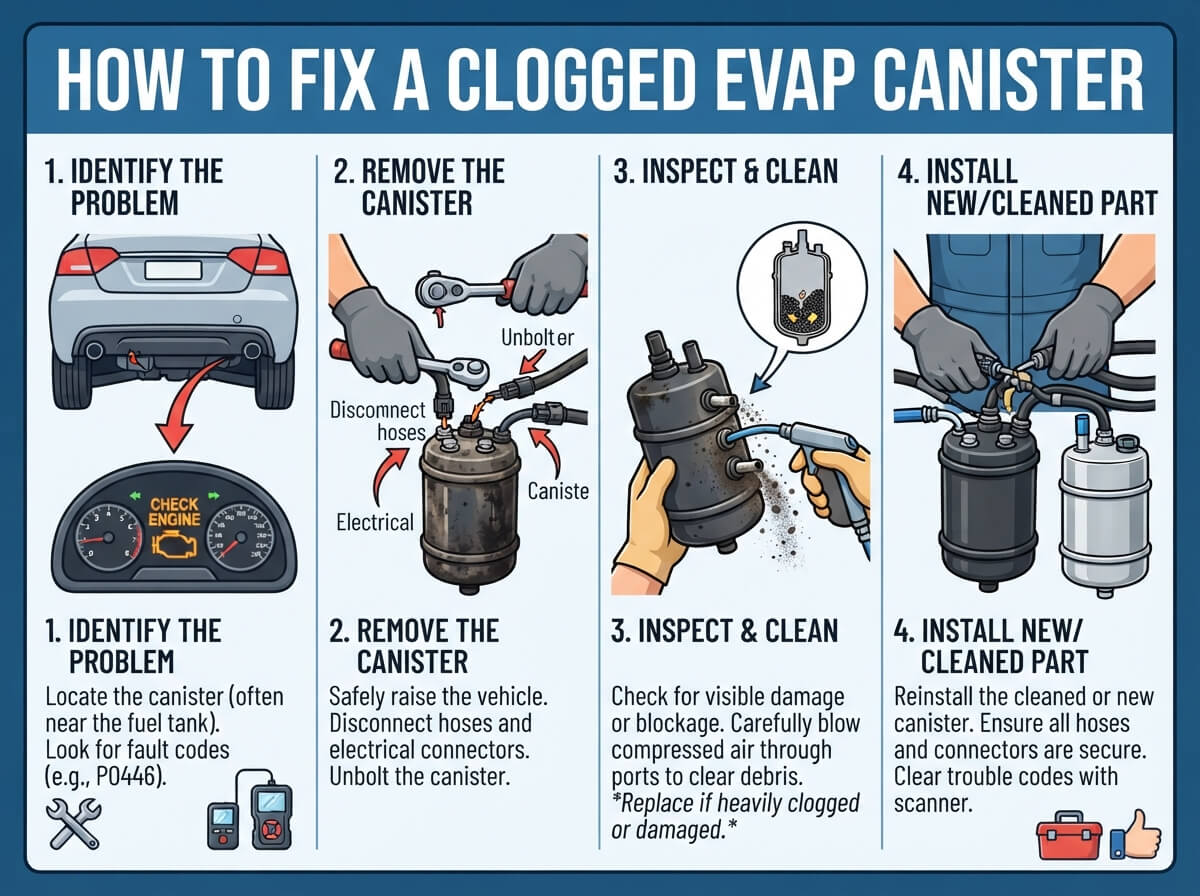
How to Fix a Clogged Evap Canister?
Your car is acting weird. The check engine light won’t stop glowing. You smell gas fumes around your vehicle. You wonder what’s going on. Chances are, you might have a clogged evap canister on your hands. The good news? You can fix this yourself, and this guide will walk you through everything you need to know.
What Exactly Is an Evap Canister, Anyway?
Let’s start with the basics. Your car’s fuel tank isn’t just sitting there doing nothing. It’s constantly releasing fuel vapors. These vapors are toxic and bad for the environment. Your vehicle needs a system to capture and store these fumes before they escape into the air. That system is called the evaporative emission system, or EVAP system for short.
The evap canister is the hero of this system. Think of it as a charcoal filter that soaks up fuel vapors. When you park your car, fuel naturally evaporates in the tank. The canister catches these vapors and stores them. Later, when your engine runs, a purge valve opens up. This valve lets the stored vapors get pulled into the engine so they can be burned as fuel. It’s a smart system that keeps pollution down and keeps gas from escaping into the air.
The canister itself is filled with activated charcoal. This charcoal is super porous and attracts fuel vapors like a magnet. Over time, dirt, debris, and gunk can build up inside the canister. When this happens, the canister gets clogged. A clogged canister can’t do its job properly, and that’s when your car starts acting up.
How Do You Know If Your Evap Canister Is Clogged?
Your car will send you clear signals that something’s wrong. Pay attention to these signs:
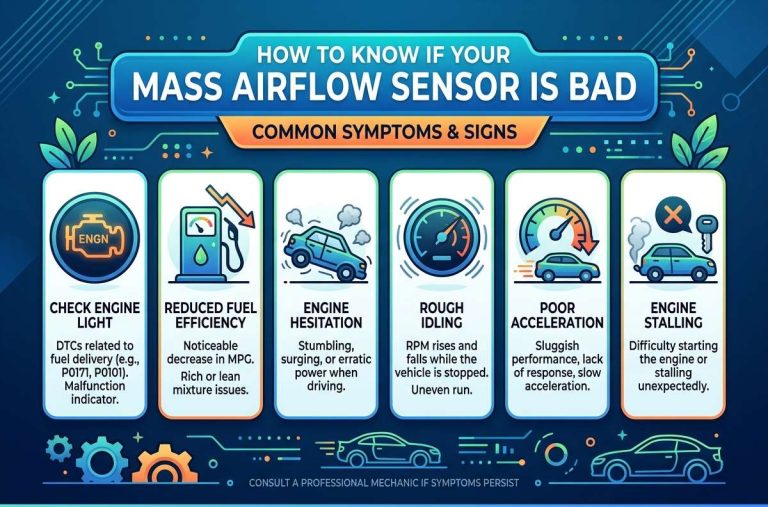
Your Check Engine Light Turns On
This is the most common warning sign. Your vehicle has sensors that monitor the EVAP system. When the canister gets blocked, pressure builds up in the fuel tank. The sensors detect this abnormal pressure and trigger the check engine light. You might not feel any difference in how your car drives, but that light is telling you to pay attention.
You Smell Gasoline Fumes
A strong gasoline smell around your car is a red flag. This smell usually comes from the fuel tank area or near the charcoal canister. When the canister can’t hold vapors anymore, they escape. A clogged canister forces vapors to build up and leak out. You might notice the smell when you refuel your car or when it’s parked in the sun.
Your Car Runs Rough
The engine might run poorly or stall out. You could feel hesitation when you accelerate. These issues happen because the purge valve isn’t working correctly. A blocked canister prevents the purge valve from pulling in fuel vapors smoothly. This throws off your engine’s fuel balance, and your car responds with rough idle or stuttering performance.
You Have Trouble Refueling
Does your gas pump keep clicking off? Do you have to try multiple times to fill up your tank? A clogged canister creates pressure inside the fuel tank. This backpressure prevents gas from flowing in smoothly. You’ll feel frustrated at the pump as the nozzle shuts off repeatedly.
Your Car Fails Emissions Testing
If your vehicle doesn’t pass an emissions test, the EVAP system is usually the culprit. A clogged canister means fuel vapors aren’t being controlled properly. This makes your car emit more pollutants, and it flunks the test.
Why Does the Evap Canister Get Clogged?
Understanding what causes the blockage helps you prevent it from happening again. Several things can gunk up your canister:
Age and Mileage
Your charcoal canister has a lifespan. As your car gets older and racks up miles, the activated charcoal loses its ability to absorb fuel vapors. The material breaks down and gets compacted. Debris accumulates inside. This is a natural wear-and-tear process that happens to every vehicle eventually.
Dirty Fuel
Gas at some pumps isn’t always clean. Contaminated fuel can leave residue in your fuel system. This residue travels through the system and settles in the canister. Over time, these deposits build up and block the charcoal from working properly.
Water in the Tank
Moisture can get into your fuel tank through condensation. Rain water might sneak in through loose fuel caps. When water mixes with fuel vapors in the canister, it creates a sludgy mess. This gunk sticks to the charcoal and reduces its effectiveness.
Damaged Purge Valve
The purge valve controls when fuel vapors enter the engine. When this valve breaks, it can stick open or closed. A stuck-open valve lets raw fuel flow into the canister incorrectly. A stuck-closed valve prevents proper purging. Either way, the canister suffers damage or premature clogging.
Fuel Tank Issues
Your fuel tank has a filter that catches debris. When the fuel filter gets clogged, dirty fuel backs up into the system. Particles can reach the canister and create blockages. A fuel tank leak can also introduce contaminants.
What You’ll Need to Fix This Problem
Before you start working, gather your tools and materials. You don’t need fancy equipment:
Tools
Get yourself a basic socket set with various sizes. You’ll need screwdrivers (both Phillips and flathead). Grab a wrench set for nuts and bolts. A flashlight helps you see what you’re doing. Get some jack stands to safely lift your car. You might need a drain pan for any fuel that spills. Keep a shop rag or clean cloth nearby.
Safety Gear
Wear safety glasses to protect your eyes. Put on mechanic gloves to keep your hands clean. Use a respirator mask if you’re working around fuel vapors. Have a fire extinguisher close by, just in case. Never work near an open flame or spark.
Materials
You’ll need some replacement parts potentially. A new canister might be necessary if the old one is too far gone. Charcoal canisters are fairly affordable and easy to find. You might need new hoses and clamps. Some gaskets and seals ensure a tight fit. Pick up some carburetor cleaner to help dislodge stubborn deposits.
The Step-by-Step Process to Fix Your Clogged Evap Canister
Now let’s get to work. Follow these steps carefully:
Step One: Locate Your Evap Canister
First, find where your evap canister lives. On most vehicles, it sits under the car, usually near the fuel tank. Some cars have it mounted on the frame next to the gas tank. Consult your owner’s manual or an online resource for your specific car model. You’ll want to know exactly where you’re going before you start.
Step Two: Disconnect the Battery
Safety first. Go pop your hood and disconnect the negative terminal from your car battery. This prevents electrical sparks while you work on the fuel system. Just loosen the nut on the terminal and pull the cable off. Wait a few minutes to let any electrical charge dissipate.
Step Three: Lift and Support Your Vehicle
Use your jack to lift the car safely. Once it’s up, place jack stands under the frame to support the weight. Never work under a car held up by just a jack. That’s a recipe for disaster. Lower the car onto the stands for a rock-solid, safe work platform.
Step Four: Access the Canister
Crawl under your car with a flashlight. Locate the canister and trace all the hoses connected to it. You’ll see a fuel vapor line, a purge line, and possibly a vent line. Take a photo with your phone so you remember how everything connects. This simple step saves you major headaches later.
Step Five: Disconnect the Hoses
Now carefully disconnect each hose from the canister. You might see hose clamps holding them in place. Loosen these clamps with a screwdriver. The hoses should slide off easily. Keep the hoses in order and don’t lose track of which one connects where. Small fuel spillage is normal, so keep that drain pan nearby.
Step Six: Remove the Mounting Hardware
The canister bolts to the frame or body of your car. Look for the bolts holding it in place. Use your socket wrench to remove them. You might find two to four bolts depending on your vehicle. Take the bolts out completely and set them aside. They’re easy to lose, so put them in a small container.
Step Seven: Pull Out the Old Canister
Now the canister is free. Gently wiggle it out of its mounting spot. Some canisters fit tight, so go slowly. Be patient and don’t force it. Once it’s out, you can inspect it closely to see how clogged it really was.
Step Eight: Inspect and Decide
Hold the canister up to the light and look inside. Is the charcoal completely black and saturated? Does it feel heavy? If so, you likely need a new canister. The charcoal has done its job and burned out. But if the clogging is from debris or deposits, you might be able to clean it.
Step Nine: Clean or Replace
If you’re cleaning it, shake out any loose debris. Use carburetor cleaner and a small brush to clean the interior. Work carefully to dislodge built-up deposits. Rinse thoroughly and let it dry completely before reinstalling. If the charcoal is shot, replace the canister with a new one. A new canister costs between fifty and two hundred dollars depending on your car.
Step Ten: Reinstall and Reconnect
Slide your clean or new canister back into its mounting location. Bolt it back down using your socket wrench. Make sure all bolts are tight but don’t over-tighten them. Reconnect each hose carefully, making sure they slide fully onto their fittings. Tighten the hose clamps snugly so nothing leaks.
Step Eleven: Reconnect Your Battery
Go back to the engine bay and reconnect the negative battery terminal. Tighten the nut firmly. Your vehicle is almost ready to start.
Step Twelve: Start Your Engine and Test
Lower your car off the jack stands and remove them. Turn on the ignition and let your engine run for a few minutes. Listen for any unusual sounds. Smell around the fuel area for any gas odors. The check engine light might stay on briefly, but it should go off after a few driving cycles. Your car will run a self-test to confirm the system is working.
Preventing Future Evap Canister Problems
Once you’ve fixed this issue, you want to avoid doing this job again. These prevention tips actually work:
Keep Your Fuel Tank Full
A full fuel tank reduces the amount of air space above the fuel. Less air space means fewer fuel vapors form. Top off your gas regularly and don’t let your tank run too low. This simple habit extends your canister’s life significantly.
Use Quality Fuel
Buy gas from reputable stations. Cheap fuel sometimes contains more contaminants. These impurities can clog your evap system faster. Spending a few extra dollars on quality fuel is worth the protection.
Replace Your Fuel Filter on Schedule
Your fuel filter prevents dirt from entering the fuel system. When it gets clogged, everything downstream suffers. Change your fuel filter according to your vehicle’s maintenance schedule. This keeps contaminants from reaching your evap canister.
Check Your Gas Cap
Your fuel cap isn’t just about keeping gas from spilling. It seals your fuel system and prevents water from entering. A loose or broken cap lets moisture inside. Inspect your cap regularly and replace it if it’s damaged or loose.
Address Fuel System Problems Quickly
If your car has rough idle or fuel smell, don’t ignore it. These are signs that your fuel system needs attention. Fix problems early before they cascade and damage the evap canister. Catching issues early saves time and money.
Frequently Asked Questions About Clogged Evap Canisters
How much does it cost to fix a clogged evap canister?
If you do the work yourself, you’re mainly paying for parts. A new canister costs fifty to two hundred dollars. Labor at a shop ranges from one hundred to four hundred dollars depending on your location and vehicle. Total repair costs range from one hundred fifty to six hundred dollars.
Can I drive with a clogged evap canister?
Technically yes, but you shouldn’t. A clogged canister means your vehicle is leaking fuel vapors. It’s polluting the environment and failing emissions tests. Your check engine light will stay on. You might have trouble refueling. It’s better to fix it sooner rather than later.
How long does this repair take?
If you’re handy, budget three to four hours for this job. That includes locating the canister, disconnecting everything, removing it, cleaning or replacing it, and reinstalling. First-time mechanics might take longer. A professional shop can do it in one to two hours.
What if my canister is in a hard-to-reach spot?
Some vehicles have canisters tucked under the engine or behind other components. You might need to remove additional parts to reach it. This makes the job longer and trickier. If you’re not confident, this is a good time to take your car to a mechanic.
Will my check engine light go away after I fix it?
It should, but not immediately. After you reinstall everything and reconnect the battery, your car needs to run through its self-diagnostic cycle. This typically takes a few driving cycles. Drive your car normally for twenty to thirty miles. The light should turn off by itself. If it doesn’t, you might have another issue to address.
Can bad weather cause evap canister problems?
Humidity and rain can contribute to moisture in your fuel system. Extreme temperature swings can also stress the canister. Cold weather makes fuel less volatile, while heat increases evaporation. Living in humid climates means extra attention to fuel system maintenance.
Final Thoughts on Fixing Your Evap Canister
A clogged evap canister is frustrating, but it’s fixable. You don’t need to be a master mechanic to handle this repair. Follow the steps in this guide and take your time. The job is straightforward, and you’ll save yourself hundreds of dollars by doing it yourself.
Remember, your evap system is there for a reason. It protects the environment and keeps your car running right. Taking care of it keeps your vehicle healthy and happy. Once you’ve fixed this problem, stick to the prevention tips. You’ll keep your fuel system clean and your evap canister working strong for years to come.
If you hit any snags during the repair, don’t hesitate to consult your vehicle’s service manual or ask for help from experienced car folks online. There’s no shame in getting advice, and the community of do-it-yourself mechanics is always willing to help. Now get out there and fix that canister. Your car will thank you.