5 Best Windshield Wiper Blades for Snow In 2026
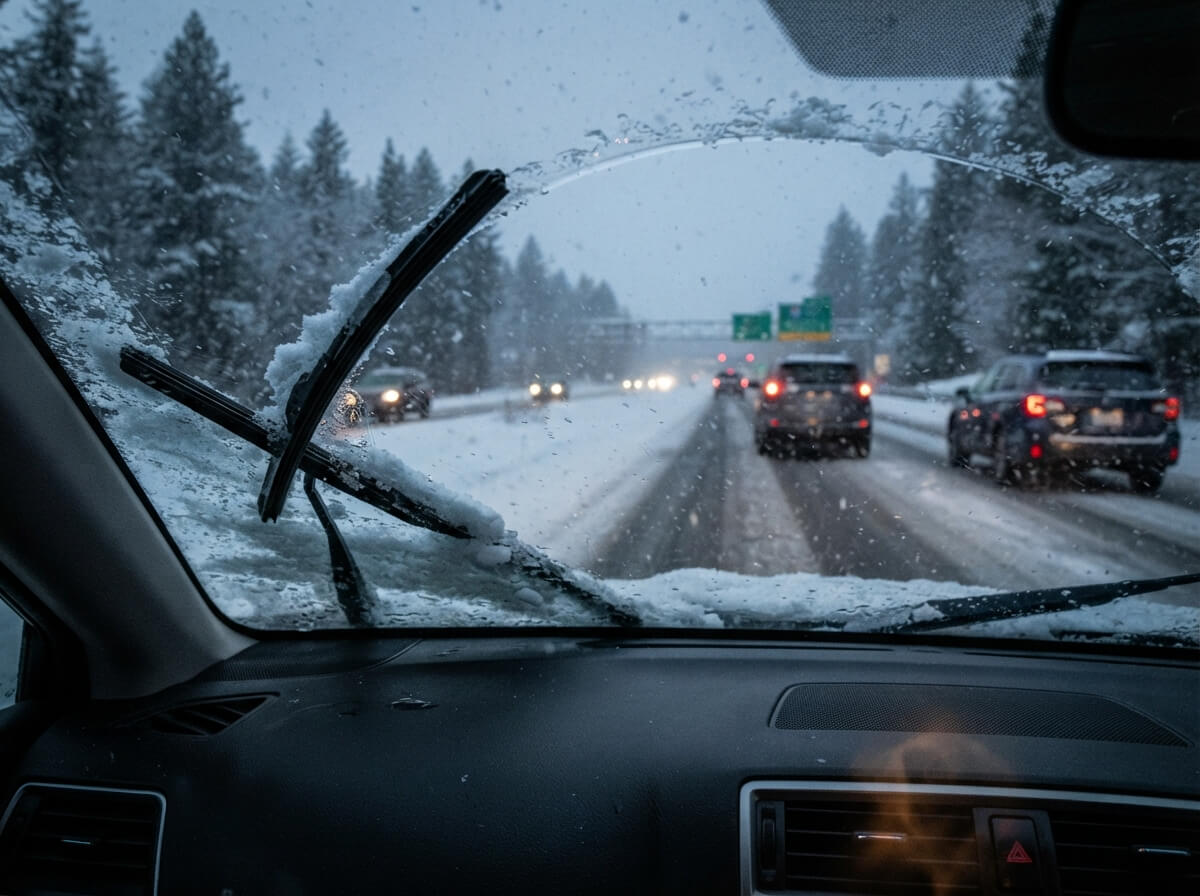
Snow is sneaky. One minute your drive is clear, and the next your windshield looks like a frosted cake and your wipers are just smearing slush around instead of clearing it. If you drive through cold, wet, snowy weather, your wiper blades are not a small detail. They are one of the few parts of your car that stand between you and a safe, clear view of the road.
A lot of drivers wait until their old blades are squeaking and skipping before they even think about a swap. By then, visibility is already bad and the roads are already dangerous. The good news is that picking a strong set of winter-ready wiper blades is not complicated once you know what actually matters in cold weather: rubber that stays flexible in freezing temps, a frame that resists ice buildup, and a wiping edge that clears water and slush without leaving streaks.
In this roundup, we are going to look closely at five popular wiper blade options that get recommended again and again for snowy, icy, and wet winter driving: the Shell Ceramic Silicone Wiper Blade, Clix Wipers conventional steel frame set, Rain-X Repellency wiper blades, Bosch ICON beam blades, and Rain-X Total Clear beam blades. Each one has its own strengths, and by the end of this guide you will know exactly which one fits your car, your climate, and your budget.
Let’s get into it.
Why Winter Wiper Blades Matter So Much
Before we jump into the reviews, it helps to understand why regular, everyday wiper blades often fail once the temperature drops. Standard rubber blades get stiff in the cold. Stiff rubber cannot hug the curve of your windshield properly, so instead of wiping cleanly, it skips, chatters, and leaves thin streaks across your glass right when you need clear vision the most.
Snow and slush also love to sneak into the metal joints of a traditional wiper frame. That ice buildup can stop the blade from flexing at all, turning your wiper into a stiff plastic bar that just pushes snow around instead of clearing it. This is exactly why beam-style blades and specially designed all-weather blades exist. They use a single curved rubber-covered frame instead of multiple small joints, which means there is nowhere for ice to hide and jam things up.
Good winter wiper blades typically share a few traits:
- A rubber compound (often silicone-based or a special synthetic rubber) that stays soft and flexible even in freezing temperatures
- A low-profile beam design or a sealed frame that keeps snow and ice from building up in the joints
- Even pressure distribution across the blade so there are no gaps, skips, or streaks
- A squeegee edge shaped to clear water, slush, and light ice buildup in one pass
Keep these points in mind as we go through each product. They will come up again and again because they are the real difference between a wiper blade that works in snow and one that just falls apart the first time it gets cold.
Quick Comparison at a Glance
| Product | Blade Type | Sizes Available | Best For | Approx. Price Range |
|---|---|---|---|---|
| Shell Ceramic Silicone Wiper Blade | Silicone beam | 21″ (also sold in other sizes) | Heavy snow and icy climates | Mid-range |
| Clix Wipers Conventional Steel Frame | Conventional (bracket-style) | 20″ + 20″ set | Budget buyers, older cars | Budget |
| Rain-X 810363 Repellency | Hybrid conventional/beam with coating | 22″ pair | Rain, sleet, and light snow with visibility boost | Mid-range |
| Bosch ICON 22A22B | Beam blade | 22A & 22B set | Long-term durability, mixed weather | Higher-end |
| Rain-X 810329 Total Clear | Beam blade | 22″ + 22″ pair | Everyday all-weather use, quiet operation | Mid-range |
Now let’s break each one down in detail.
1. Shell Ceramic Silicone Wiper Blade – All-Weather Windshield Wiper 21″

Product Description
The Shell Ceramic Silicone Wiper Blade brings a bit of an unexpected name into the wiper blade space, but the tech behind it is legit. Instead of the standard natural rubber you find on most cheap blades, this one uses a silicone-based wiping edge combined with a ceramic coating layer. The idea is simple: silicone naturally resists cracking and hardening in cold weather better than plain rubber, and the ceramic coating adds a smoother, more water-repelling surface.
The frame itself is a low-profile beam design, meaning it is one solid curved unit rather than a bunch of small metal levers and joints. That single-piece shape is a big deal for snow because there is far less room for ice and slush to get trapped and freeze the blade solid.
Best Use Cases
This blade is built for drivers in genuinely cold and snowy regions. If you deal with heavy frost most mornings, regular snowfall, or icy overnight temps, this is the kind of blade that is made for your daily reality. It also works fine in regular rain, so you are not sacrificing performance the rest of the year.
Key Features Explained Simply
- Silicone wiping edge: Silicone stays soft and bendy even when it is freezing outside, so the blade keeps full contact with the glass instead of turning stiff and skippy.
- Ceramic coating: This adds a layer that helps water bead and slide off faster, so your view clears up quicker during a snow squall or sleet shower.
- Beam-style frame: One curved piece instead of multiple joints means less chance for snow to jam the mechanism.
- Aerodynamic profile: The low, flat shape reduces wind lift at higher speeds, which matters on highways during a snowstorm when gusty wind is common.
Real-Life Usage Insight
Drivers who deal with lake-effect snow or long, cold winters tend to notice the biggest difference with this blade compared to a basic rubber one. During a fast-moving snow squall, the wiping edge keeps clearing instead of building up a ridge of packed snow along the top of the blade, which is a common complaint with cheaper wipers. On mornings with a light frost, the silicone edge also seems to resist that annoying “sticking to the glass” problem you sometimes get with older rubber blades in the cold.
Pros
- Handles freezing temps well without turning stiff
- Ceramic coating helps with water beading and streak-free clearing
- Beam design resists ice jamming in the frame
- Quiet operation, no annoying squeak in most conditions
- Works well in both snow and regular rain
Cons
- Silicone blades tend to cost a bit more than basic rubber ones
- Not as widely available in every single windshield size
- Some drivers report a slight adjustment period before the blade “breaks in” and wipes perfectly smooth
Performance Discussion
In snow and slush, this blade holds up noticeably better than a standard all-season rubber blade. The silicone edge does not get that dry, cracked feeling that ruins cheaper blades after just one winter. Where it really shines is during mixed precipitation, like when snow turns to sleet then back to rain, since the ceramic coating keeps water and slush moving off the glass rather than smearing.
Ease of Install
Installation follows a standard hook or pin-style connector depending on the size you order, and most drivers can get it on in a few minutes without tools. Shell includes basic instructions, and the fit is snug on most factory wiper arms.
Value for Money
Given how well it performs specifically in cold and snowy weather, this blade offers solid value if winter driving is a real part of your life. If you live somewhere that barely sees snow, you might not need to spend extra on silicone technology, but for genuine winter climates, it earns its price tag.
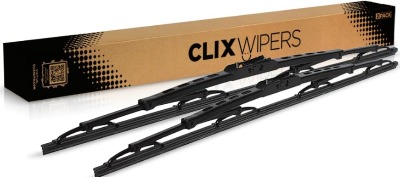
2. Clix Wipers Windshield Wiper Blades – 20″ + 20″ Conventional Steel Frame Set
Product Description
Clix Wipers takes a more old-school approach with a conventional steel frame wiper blade. This is the classic style most of us grew up with: a metal frame with multiple small joints (called a spring-tensioned bracket system) holding a rubber blade in place. It comes as a set of two 20-inch blades, and it is built to fit a wide range of vehicles using both J-hook and pin-style wiper arms, which covers a huge chunk of cars on the road today.
This is a budget-friendly, no-frills option aimed at drivers who just want a reliable, easy, and cheap replacement without paying for extra tech features.
Best Use Cases
This set makes the most sense for drivers in areas with light to moderate snow, or for anyone who wants an affordable backup pair to keep in the trunk. It also works well for older vehicles or budget-conscious households that need a functional wiper without a premium price tag.
Key Features Explained Simply
- Universal fit: The J-hook and pin arm compatibility means this set fits a huge range of car makes and models without needing a special adapter.
- Conventional steel frame: The classic multi-joint design flexes to match the curve of your windshield, which helps with even pressure across the whole blade.
- All-weather rubber: The rubber is rated for a range of weather, including light snow and rain, not just dry conditions.
- Easy install system: Clix designed the connector to snap on without needing extra tools or adapters in most cases.
Real-Life Usage Insight
For drivers dealing with occasional snow rather than constant heavy winter weather, this set does the basic job well. It clears light snow and slush without much trouble, especially right after the first snowfall of the season when the frame is still fresh and hasn’t taken years of temperature swings. The trade-off shows up in harsher, colder climates, where the multiple metal joints of a conventional frame are simply more prone to catching ice than a sealed beam blade would be.
Pros
- Very affordable, especially for a set of two
- Wide compatibility with different wiper arm types
- Simple, tool-free installation
- Decent performance in light snow and everyday rain
- Good backup or spare option to keep on hand
Cons
- Conventional frame is more prone to ice buildup in the joints during heavy snow
- Rubber may stiffen faster in extreme cold compared to silicone or premium beam blades
- Lifespan tends to be shorter than higher-end options
- Not the best pick for drivers in regions with frequent heavy snowstorms
Performance Discussion
In light snow, drizzle, and everyday rain, this set performs about how you would expect from a solid mid-tier conventional blade. It clears water evenly and does not skip much when new. Once temperatures drop into deep freeze territory or snow gets heavy, the multi-joint frame starts to show its limits, since ice can pack into those small hinge points and reduce flexibility. If your winters are mild with occasional snow rather than constant heavy weather, you likely will not run into this issue often.
Ease of Install
This is one of the easiest sets to install on this list. Since it is designed to fit both J-hook and pin arms without extra adapters, most people can swap these on in under five minutes using just their hands.
Value for Money
For the price, this is hard to beat if your main goal is a working, safe wiper blade without spending a lot. It is a smart pick for budget shoppers, second vehicles, or as a spare set kept in the trunk for emergencies.
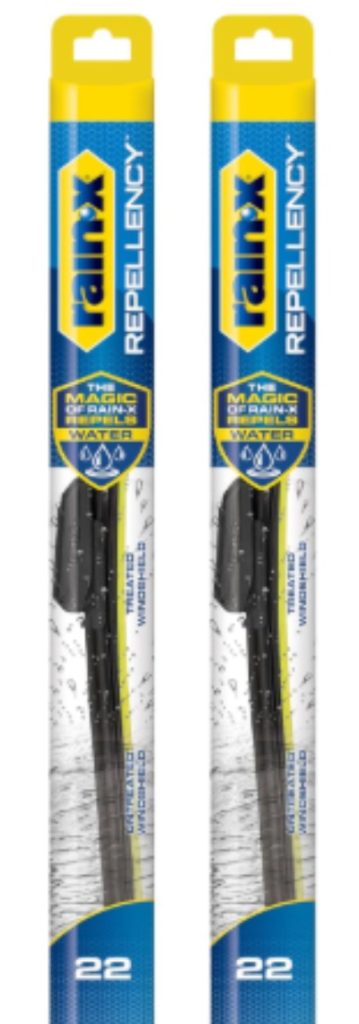
3. Rain-X 810363 Repellency Water Repellent Wiper Blades, 22″
Product Description
Rain-X built its name on the water-repelling glass treatment that many drivers already know and trust, and this wiper blade line brings that same idea directly into the blade itself. The Repellency wiper blades apply a water-repellent formula as you wipe, so every swipe leaves behind a thin layer that helps rain, snow, and slush bead up and roll off your windshield faster.
It comes as a pack of two 22-inch blades and uses a hybrid frame style that blends elements of a conventional bracket with beam-style flexibility.
Best Use Cases
This set is a great match for drivers who deal with a mix of heavy rain and light-to-moderate snow, especially if better visibility during storms is your top priority. It is also a smart pick if you already use Rain-X glass treatment and want the wiper and windshield working together.
Key Features Explained Simply
- Water repellency formula: Built right into the blade, this coating transfers onto your windshield as you wipe, helping water and snow slide off faster instead of pooling.
- All-weather rubber compound: Designed to handle a range of temperatures without becoming brittle too quickly.
- Enhanced visibility design: The blade shape and rubber edge are built to reduce streaking, which matters a lot when snow melts into a thin, hard-to-see film on your glass.
- Amazon exclusive packaging: This specific version is sold through Amazon, so double check sizing carefully since it is not always found in brick-and-mortar stores.
Real-Life Usage Insight
Drivers who deal with wet, heavy snow that quickly turns to slush tend to like this blade because the repellency coating helps break up that thin greasy film that slush leaves on glass. Instead of the windshield staying hazy after a pass, water tends to bead and roll off cleaner, which noticeably improves visibility during a snow shower mixed with rain, a very common winter combo in a lot of regions.
Pros
- Repellency coating genuinely helps visibility in wet snow and rain
- Solid all-weather rubber that handles moderate cold well
- Good streak-free performance when new
- Pairs nicely with Rain-X glass treatment products for a combined effect
- Reasonably priced for the tech it includes
Cons
- Repellency effect fades over time and needs the blade to be replaced or treated again eventually
- Not quite as ice-resistant as a full beam-style blade in extreme cold
- Being an Amazon exclusive, sizing and stock can vary
- Some drivers report a slight learning curve figuring out the ideal replacement schedule to keep the coating effective
Performance Discussion
This blade shines the most in wet, sloppy snow conditions rather than deep, dry powder. Since the repellency coating is designed to work with liquid water, it performs at its best when snow is melting or mixed with rain. In dry, powdery snow, it still functions fine, just without that extra visibility boost being as noticeable. Overall wiping performance is smooth and quiet, with minimal chatter reported by users in light-to-moderate winter weather.
Ease of Install
Installation is straightforward with the included adapters, and most standard wiper arms are covered. The instructions are printed on the packaging, and the whole process usually takes just a couple of minutes per blade.
Value for Money
For the added visibility benefit alone, this set offers strong value, especially for drivers in areas where snow often mixes with rain or turns into slush quickly. If your winters are drier and colder with less slush, you may not notice as much of a difference from the repellency coating.
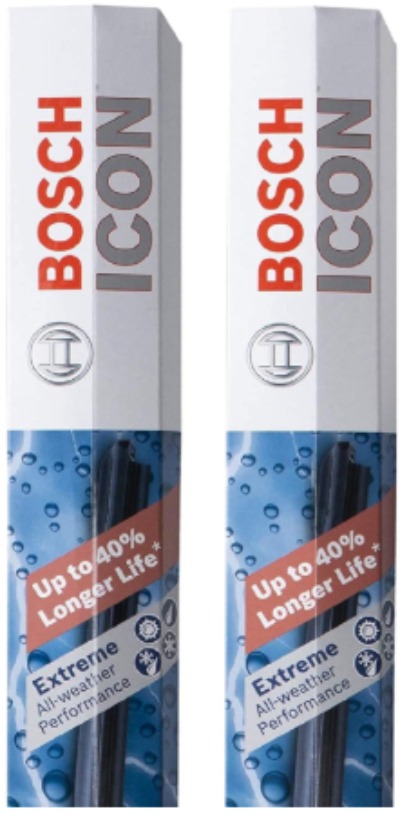
4. BOSCH 22A22B ICON Beam Wiper Blades
Product Description
Bosch has a long-standing reputation in the auto parts world, and the ICON line is often considered a benchmark for beam-style wiper blades. This set includes two blades, a 22-inch and a slightly different matching size, both using a fully sealed beam frame made from a single flexible spine wrapped in a durable rubber compound.
Unlike conventional blades with visible metal joints, the ICON’s beam design is smooth and enclosed from end to end, which is a huge advantage when it comes to fighting off snow and ice buildup.
Best Use Cases
This is the pick for drivers who want a long-lasting, dependable wiper blade that performs consistently across all kinds of weather, not just snow. If you drive year-round in a region with real seasons, hot summers and cold snowy winters, this blade is built to handle that whole range without needing a swap every season.
Key Features Explained Simply
- Beam design with sealed frame: No exposed joints for snow or ice to get stuck in, which keeps the blade flexible even in freezing weather.
- Memory-shape wiper technology: A special design that lets the blade return to its natural curved shape even after sitting bent in extreme heat or cold, so it keeps solid contact with the glass over time.
- Aerodynamic spoiler: Helps hold the blade steady against the glass at highway speeds, reducing lift from wind gusts, which is helpful during a snowy highway drive with gusty conditions.
- Precision-engineered rubber: Designed to resist cracking, splitting, and hardening across a wide temperature range.
Real-Life Usage Insight
Owners in colder states often mention that this blade keeps performing well season after season without the usual mid-winter decline you see in cheaper blades. The sealed beam frame really does make a noticeable difference during a snowstorm, since there is nowhere for slush to pack in and freeze the joints stiff. Even after sitting outside overnight in freezing temps, the blade tends to snap back into its curved shape quickly instead of staying flattened out.
Pros
- Excellent resistance to ice and snow buildup thanks to the sealed beam frame
- Long lifespan compared to conventional blades
- Memory-shape design keeps the blade curved and effective over time
- Quiet, smooth wiping motion
- Strong performance across all seasons, not just winter
Cons
- Higher price point than most blades on this list
- Beam blades can be a bit trickier to install for first-timers compared to conventional frames
- Overkill if you only see light, occasional snow a few times a year
Performance Discussion
This is one of the most consistent performers in the group when it comes to snow and ice. The sealed frame genuinely prevents the freezing-up issue that plagues older conventional blades, and the rubber compound stays flexible even during long cold snaps. Streak-free clearing is reliable across both heavy wet snow and lighter dry snow, and the blade holds its shape well over repeated use.
Ease of Install
Bosch includes multiple adapter clips in the box to fit different wiper arm types, which is handy, but it does mean you need to pick the right adapter for your car. It is not hard, just slightly more involved than a plug-and-go conventional blade. A quick look at the included instructions solves any confusion.
Value for Money
Yes, it costs more upfront, but the durability and consistent snow performance make this a smart long-term investment, especially if you drive through several winters before replacing your blades. Drivers who want to install once and mostly forget about it will appreciate the value here.
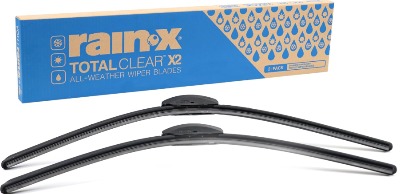
5. Rain-X 810329 Total Clear Beam Wiper Blades 22″ & 22″
Product Description
The Rain-X Total Clear line takes the beam-blade concept and pairs it with Rain-X’s water-clearing expertise. This set includes two 22-inch blades using a curved, single-piece beam frame along with a rubber squeegee edge designed for smooth, quiet wiping and reliable performance across all kinds of weather, including snow.
It sits in a nice middle ground between the premium Bosch ICON and the more repellency-focused Rain-X 810363, offering solid beam-blade construction at a reasonable price.
Best Use Cases
This set works well for drivers who want dependable all-weather performance without paying premium prices, and who deal with a realistic mix of rain, snow, and everyday driving conditions rather than extreme winter climates.
Key Features Explained Simply
- Beam-style frame: One curved rubber-wrapped spine instead of multiple joints, which helps resist snow and ice jamming.
- Rubber squeegee edge: Shaped for smooth, even contact with the glass, clearing water and light snow in a single pass.
- Quiet operation design: Reduces the annoying chatter and squeak that a lot of budget blades develop after a few months of use.
- All-weather rating: Built to perform in rain, snow, and everyday temperature swings, not just one specific season.
Real-Life Usage Insight
Drivers who see moderate snow a handful of times each winter, rather than constant deep snow, tend to be very happy with this set. It clears wet snow and slush cleanly, stays quiet during use, and does not develop the streaky, chattering wipe pattern that a lot of cheaper blades get after their first cold snap. It handles a fast-moving snow shower on the highway about as well as you would expect from a solid beam blade in this price range.
Pros
- Reliable beam design that resists ice buildup in the frame
- Quiet, smooth wiping motion
- Good streak-free clearing in both rain and snow
- More affordable than the premium Bosch ICON while still using beam technology
- Straightforward all-weather performance without needing a seasonal swap
Cons
- Not quite as advanced as the ICON’s memory-shape rubber for extreme cold
- Some drivers in very harsh, snowy climates may want a more heavy-duty option
- Adapter fitting can require a bit of trial and error depending on your car’s wiper arm style
Performance Discussion
This blade performs solidly across a wide range of winter conditions, especially moderate snow and wet, slushy roads. It is not quite as specialized for extreme cold as the silicone Shell blade or as durable long-term as the Bosch ICON, but it strikes a nice balance of snow performance, quiet operation, and price that makes it one of the most well-rounded picks on this list.
Ease of Install
Rain-X includes a few adapter options in the box, and while it takes a minute to identify the right one for your vehicle, the process is simple enough for most drivers to handle without a mechanic.
Value for Money
This is one of the better value picks on this list if you want beam-blade performance without paying the premium Bosch price. For drivers with moderate winters, it offers a great balance of snow-clearing power and cost.
Comparison Insights: How These Five Stack Up Against Each Other
When you put all five side by side, a pattern starts to show up pretty clearly.
For extreme cold and heavy snow, the Shell Ceramic Silicone blade and the Bosch ICON both stand out because of their sealed or specially treated designs that resist ice buildup better than a conventional frame. The Bosch edges ahead slightly on long-term durability thanks to its memory-shape rubber, while the Shell blade wins on pure cold-weather flexibility because of the silicone compound.
For wet, slushy snow mixed with rain, the two Rain-X options take the lead. The 810363 Repellency blade focuses on keeping your view clear through its water-repelling coating, while the 810329 Total Clear blade focuses more on smooth, quiet, reliable clearing without a special coating. If visibility during a downpour or slush storm is your top concern, the Repellency version has a slight edge.
For budget shoppers or light snow regions, the Clix Wipers conventional set is the practical choice. It will not outperform the beam blades in a heavy snowstorm, but for light snow, drizzle, and everyday driving, it gets the job done at a fraction of the cost.
On ease of install, the Clix conventional set and the Shell blade are generally the simplest, with the Bosch ICON requiring a bit more care in picking the correct adapter clip.
On noise and smoothness, both Rain-X options and the Bosch ICON tend to run quieter than a basic conventional blade, especially once temperatures drop and rubber naturally stiffens a bit.
Buying Guide: How to Pick the Right Wiper Blades for Snow
Here is a simple breakdown of what actually matters when you are shopping for winter wiper blades, without getting lost in marketing buzzwords.
1. Know Your Climate First
If you deal with heavy, frequent snow and long stretches of freezing temps, lean toward beam-style or silicone blades like the Shell or Bosch options. If your winters are milder with occasional light snow, a conventional blade like the Clix set can save you money without sacrificing much performance.
2. Check Your Wiper Arm Type
Before buying, look at how your current blade connects to the wiper arm. Most cars use either a hook-style or pin-style connection, and getting this wrong means returns and wasted time. Universal-fit sets, like the Clix Wipers set, tend to include multiple adapters to cover more bases.
3. Match the Correct Size
Wiper blade length matters more than people expect. A blade that is too short leaves streaky gaps at the edges of your windshield, while one that is too long can hit the frame of your car or overlap awkwardly with the other blade. Check your owner’s manual or measure your current blades before ordering.
4. Think About Rubber Type
Standard rubber is fine for mild climates, but silicone-based rubber (like the Shell blade uses) holds up much better in freezing temps because it resists hardening and cracking. If snow and ice are a regular part of your life, this is worth paying a bit extra for.
5. Consider Frame Design
Beam blades (single curved piece) resist ice buildup far better than conventional blades (multiple metal joints). If you deal with real snow, a beam blade is almost always the smarter long-term pick.
6. Look at Replacement Frequency
Wiper blades are not a lifetime purchase. Most blades, even good ones, should be replaced roughly every six to twelve months depending on your climate and how much sun and cold exposure your car gets. Set yourself a simple reminder so you are not caught with worn-out blades during the first snow of the season.
7. Don’t Ignore the Washer Fluid
A good wiper blade paired with cheap, thin washer fluid will still struggle in freezing temps. Use a washer fluid rated for cold weather so it does not freeze on contact with your windshield.
Who Should Buy These Products
Drivers in heavy snow regions with long, cold winters should lean toward the Shell Ceramic Silicone blade or the Bosch ICON beam blades, since both are built to resist ice jamming and stay flexible in serious cold.
Drivers who deal with wet snow, slush, and mixed rain-snow weather will likely appreciate the two Rain-X options, especially the Repellency version if visibility during storms is a top priority.
Budget-conscious drivers or those in milder snow climates can comfortably go with the Clix Wipers conventional set, especially if snow is only an occasional part of their driving life rather than a daily reality.
Drivers who want a “install and mostly forget” option that performs well across all seasons, not just winter, should look closely at the Bosch ICON, since its durability spreads the higher upfront cost out over a longer lifespan.
New or first-time buyers who are not sure what to pick should start with a general all-weather beam blade like the Rain-X Total Clear, since it balances price, performance, and ease of install without leaning too heavily into a niche feature.
Common Mistakes to Avoid When Buying Winter Wiper Blades
Buying the wrong size. This is the single most common mistake. Always measure your current blades or check your owner’s manual instead of guessing based on your car’s make and model alone, since sizes can vary even within the same vehicle lineup.
Waiting too long to replace worn blades. A lot of drivers wait until they hear squeaking or see obvious streaks before replacing their blades. In snowy weather, that delay can mean driving with poor visibility right when you need it most. A good rule of thumb is to replace blades before the first heavy snowfall of the season, not after.
Ignoring the wiper arm connector type. Ordering a blade that does not match your car’s hook or pin-style arm leads to a frustrating return process. Double check compatibility before ordering, especially with universal-fit sets.
Skipping cold-weather washer fluid. Even the best wiper blade struggles if your washer fluid freezes on contact with the glass. Switch to a winter-rated fluid before the cold sets in.
Parking with wipers down during a snowstorm. It sounds like a small thing, but wipers left resting flat against the glass during freezing rain or heavy snow can freeze right onto the windshield, which can bend or damage the blade when you try to use them. Lift your wipers away from the glass before a storm if you can.
Assuming all “all-weather” blades perform the same. Not every all-weather label means the same level of cold-weather performance. As you saw in this roundup, a conventional blade and a silicone beam blade can both carry an all-weather label but perform very differently in a real snowstorm.
Forgetting to check the blade’s rubber compound. Cheaper blades sometimes use lower-grade rubber that hardens fast in the cold, even if the frame design is decent. Reading through real reviews (not just the product description) usually reveals this pretty quickly.
Final Verdict
All five of these wiper blades can genuinely help you see better during snow and winter driving, but they are not all built for the exact same situation.
If you live somewhere with serious, heavy snowfall and brutal cold snaps, the Shell Ceramic Silicone blade and the Bosch ICON beam blades are your strongest picks. The Shell blade wins on raw cold-weather flexibility thanks to its silicone compound, while the Bosch ICON wins on long-term durability and consistent performance across every season, not just winter.
If your snow tends to come mixed with rain or turns into slush quickly, the Rain-X 810363 Repellency blades stand out for their visibility-boosting coating, giving you a clearer view exactly when road conditions get messy.
If you want dependable, quiet, all-around performance without paying premium prices, the Rain-X 810329 Total Clear beam blades hit a nice sweet spot between cost and capability.
And if you are working with a tighter budget or only deal with light, occasional snow, the Clix Wipers conventional steel frame set gets the job done affordably, especially as a reliable backup pair.
There is no single “best” pick for every driver here, but there is a right pick for your specific climate and driving habits. Match your choice to how much snow you actually deal with, how cold your winters really get, and how much you are willing to spend, and you will end up with a wiper blade that keeps your windshield clear when it matters most.
Stay safe out there this winter, and give your wipers the attention they deserve before the first real snowfall hits.