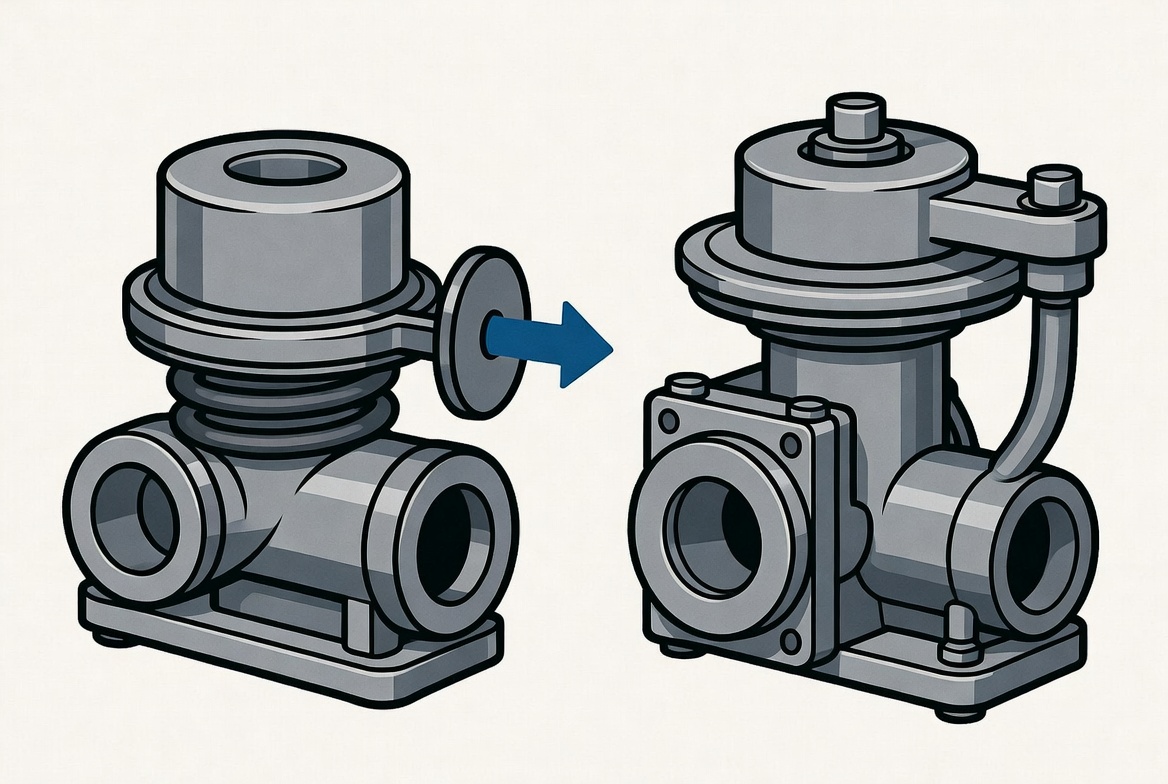
Blow Off Valve vs Wastegate
So you’re getting into turbocharged engines and keep hearing people talk about blow off valves and wastegates. You might feel confused because both seem to do something similar. Let me clear this up for you in a way that actually makes sense.
What Are These Parts Anyway?
Before we compare them, let’s talk about what each one does on its own. Think of a turbocharged engine like a kid blowing up a balloon. The turbo compresses air and pushes it into the engine. But here’s the thing – all that compressed air needs somewhere to go.
Both the blow off valve and wastegate help manage this extra pressure. They just do it in different ways and at different times. Let’s break it down.
The Blow Off Valve Explained
What It Is
A blow off valve is pretty simple. It’s a valve that opens up when pressure gets too high in the intake system. When it opens, it releases that extra pressure into the air or back into the intake before the turbo.
Think about letting air out of a tire with a hiss. That’s basically what a blow off valve does. It makes that cool “pshhh” sound you hear when turbocharged cars shift gears.
How It Works
Your engine needs fuel and air to run. When you step on the gas, the turbo spins faster and creates more pressure. The engine sucks in all that pressurized air through the intake manifold.
Now here’s where it gets interesting. When you let off the gas or shift gears, the turbo is still spinning fast. But the engine doesn’t need all that air anymore. The pressure builds up with nowhere to go. This is bad because it can damage your intake pipes and turbo bearings.
The blow off valve solves this problem. It senses the pressure drop and cracks open. All that extra air escapes with that satisfying “pshhh” sound. The pressure releases safely and your turbo stays happy.
Types of Blow Off Valves
There are two main types. The first is the atmospheric blow off valve. This one vents all the pressure straight into the air. You hear that loud hissing sound with this type. Car fans love this because it sounds cool.
The second type is the recirculating blow off valve. This one sends the extra air back into the intake system before the turbo. It’s quieter because the air goes back to where it started. Many factory vehicles use this type.
Both work well. It just depends on what you prefer – the sound or a quieter ride.
Why You Need One
Without a blow off valve, pressure builds up in the intake pipes. This extra pressure can cause damage over time. Your turbo spins fast and expects to push air into the engine. If that air has nowhere to go, it creates stress on the turbo bearing and seals.
Over time, this stress causes leaks and failure. A blow off valve prevents this by releasing pressure safely.
The Wastegate Explained
What It Is
A wastegate is different from a blow off valve. It controls the turbo itself, not just the intake pressure. Think of it as the brain that manages how fast your turbo spins.
A wastegate is a valve that lets exhaust gas bypass the turbo’s turbine. This sounds weird, but it makes sense once you know why.
How It Works
Your turbo spins because hot exhaust gas from the engine pushes through it. The faster the exhaust flows, the faster the turbo spins. A faster spinning turbo creates more pressure.
But here’s the problem. If the turbo spins too fast, it creates too much pressure. This pressure can blow out seals and damage the engine. The wastegate prevents this by being a release valve for the turbo.
When pressure gets too high, the wastegate opens. This lets some exhaust gas bypass the turbo instead of pushing through it. With less exhaust pushing it, the turbo slows down. Less turbo speed means less pressure. Simple as that.
The wastegate controls how much boost your engine gets. It’s like a pressure regulator that keeps everything in balance.
Internal vs External Wastegate
Internal wastegates are built into the turbo housing. They’re compact and simple. Many factory turbos use internal wastegates.
External wastegates are separate from the turbo and mounted somewhere else on the engine. They’re popular in high-performance builds because they offer better control and can handle more pressure.
Why You Need One
Without a wastegate, your turbo would spin faster and faster as engine speed increases. Eventually, the pressure would get so high it breaks things. Seals fail, pipes burst, and your engine is toast.
The wastegate keeps pressure in a safe range. It lets you make power without destroying your engine.
Key Differences Between Them
Let’s line up these two so you can see how they’re different.
What They Control
A blow off valve controls intake manifold pressure. It manages the air that’s already been compressed and is sitting in your intake pipes.
A wastegate controls turbo speed and boost pressure before it even gets to the intake. It regulates the exhaust side of the turbo.
Think of it this way. The wastegate is the gatekeeper that controls how much power the turbo makes. The blow off valve is the safety release when too much of that power is in the intake pipes.
When They Activate
The blow off valve activates when you let off the gas. The turbo is still spinning from before, but the engine doesn’t want the air anymore. The valve opens and releases that pressure.
The wastegate is always working. It opens and closes continuously to keep boost pressure steady. It’s not a one-time release like a blow off valve.
Sound
A blow off valve makes that distinctive “pshhh” sound. You hear it when you shift or let off the gas. It’s the sound of air being released.
A wastegate makes a different sound. When it opens, you hear more of a “chhhhhh” or whistle sound. Some wastegates make almost no sound at all.
Purpose and Function
A blow off valve prevents compressor surge. Compressor surge is what happens when pressure has nowhere to go. It can damage your turbo and intake system.
A wastegate prevents overboosting. It keeps your turbo from spinning too fast and creating too much pressure that could blow up your engine.
Both protect your engine but in different ways.
Do You Need Both?
Here’s the real question. Do you need both a blow off valve and a wastegate?
The short answer is yes. Your turbocharged engine needs both to run safely and reliably.
The wastegate controls the turbo itself. It’s essential because without it, boost pressure would spike dangerously high.
The blow off valve prevents compressor surge during throttle transitions. It protects your turbo bearing and intake system.
Think about a high-performance car. It needs a strong wastegate to control all that power. It also needs a good blow off valve to handle quick gear changes and throttle releases.
They work together as a team. The wastegate does the heavy lifting of controlling boost. The blow off valve handles the moment-to-moment pressure changes.
Common Misconceptions
“They Do the Same Thing”
People mix these up all the time. They don’t do the same thing. One controls the turbo. The other releases intake pressure. Different jobs, different valves.
“You Only Need One”
Wrong. You need both. A wastegate alone won’t prevent compressor surge when you lift off the throttle. A blow off valve alone won’t stop your turbo from overboosting.
“Bigger Is Always Better”
Some people think upgrading to a huge wastegate or aggressive blow off valve makes their car faster. It doesn’t work that way. You need the right size for your engine and turbo. Too big and you lose control. Too small and you run too much boost.
“You Can Delete the Blow Off Valve”
Some aggressive tuners remove the blow off valve for more aggressive behavior. This is a bad idea. Your engine components will take a beating. You’re asking for problems.
Tuning and Upgrades
Adjusting Your Wastegate
If you want to run more boost, you might adjust your wastegate spring. A lighter spring opens sooner and allows more boost. A heavier spring stays closed longer.
But here’s the thing. Just turning up the boost doesn’t make your engine last longer. It stresses components more. Make sure your fuel system, engine internals, and cooling can handle it.
Upgrading the Blow Off Valve
You can swap out your factory blow off valve for an aftermarket one. Some people like the sound and feel of a more aggressive valve.
Aftermarket blow off valves are adjustable. You can tune how much pressure it takes to open them. This lets you fine-tune your car’s response.
Choosing Quality Parts
Don’t cheap out on these components. A bad wastegate or blow off valve causes boost leaks. Your car loses power and runs rough.
Quality parts last longer and work better. They keep your turbocharged engine healthy.
Maintenance and Care
Keeping Your Wastegate Happy
Check your wastegate actuator rod. It should move smoothly without sticking. If it sticks, the wastegate won’t open properly and you’ll overbooost.
Listen for hissing sounds or weird noises near the turbo. These can mean your wastegate has issues.
Keep your boost pressure in the safe range. Don’t run extreme boost levels all the time. Your turbo and engine will thank you.
Maintaining Your Blow Off Valve
A dirty blow off valve can stick and not open when it should. Clean it periodically if it’s accessible.
Check the hose routing if you have a recirculating valve. Make sure the hose is clear and not kinked.
Listen for any change in the sound. If the “pshhh” sound gets quieter or disappears, your valve might be stuck.
Real-World Performance Impact
How They Affect Driving Feel
A wastegate affects how your boost curve feels. A good wastegate gives you smooth power delivery. You feel the boost come in gradually and then hold steady.
A blow off valve affects the throttle response on the other end. When you shift or lift off, you feel that pressure release.
Both work together to create a pleasant driving experience.
Off-Road and Racing
Race car drivers care a lot about these components. In racing, every millisecond counts. A precise wastegate and aggressive blow off valve give you better control.
Off-road vehicles also need solid wastegate and blow off valve setups. Muddy conditions and extreme driving demand reliable boost control.
Troubleshooting Common Problems
Boost Leaks
If you’re losing boost, you might have a leak. Check your blow off valve first. Make sure it’s not opening when it shouldn’t.
Then check the wastegate actuator hose. A cracked or kinked hose causes boost leaks.
Boost Spikes
Your boost pressure shouldn’t spike suddenly. If it does, your wastegate might be stuck.
Also check for any boost control solenoid issues. Modern cars use electronic boost control that needs to work right.
Compressor Surge
You’ll hear a weird “crunch” or grinding sound. This is compressor surge and means your blow off valve isn’t working properly.
It can happen if the valve is stuck closed or broken. Get it fixed soon because compressor surge damages your turbo.
Engine Knocking
If your engine knocks, you might be running too much boost. Your wastegate might not be opening enough.
You could have a fuel quality issue or ignition timing problem too. But check your boost pressure first.
Forced Induction Systems and These Components
Superchargers
Superchargers work differently than turbos. They spin at engine speed. They don’t need a wastegate because they can’t overspeed.
However, some supercharged applications do use blow off valves or surge tanks for specific purposes.
Twin-Turbo Setups
Cars with two turbos need solid wastegate and blow off valve systems. The boost control becomes more complex.
Each turbo might have its own wastegate or they might share one. Either way, you need precise control.
Mechanical vs Electronic Control
Older vehicles use mechanical wastegates with springs. Modern cars use electronic boost control solenoids.
Electronic systems give better precision and response. They let your engine computer fine-tune boost moment by moment.
What Happens Without Proper Boost Control
Let’s be real about what happens if you ignore these components.
Your engine can detonate or knock badly. Detonation is when fuel burns before the spark plug fires. It hammers your pistons and can crack them.
Your turbo seals fail from the pressure stress. You get oil leaks and the turbo dies.
Your intake pipes and intercooler can burst from too much pressure. Boost leaks everywhere.
Your cylinder head gasket fails from the extreme pressure. Your coolant and oil mix. Now your engine is seriously damaged.
None of this happens overnight. But running without proper wastegate and blow off valve control accelerates all these problems.
Aftermarket Options and Brands
There are many good aftermarket wastegate and blow off valve brands. Do your research before buying.
Quality brands have:
- Good customer reviews
- Proven reliability records
- Technical support from the manufacturer
- Warranty coverage
- Proper flow ratings for your engine size
Don’t just pick something because it looks cool. Your engine’s health depends on quality components.
Installation Tips
Professional Installation
Unless you know what you’re doing, have a professional install these parts. The boost control system is complex.
Wrong installation causes boost leaks and poor performance.
DIY Considerations
If you’re handy, some installations are doable. Take photos before you start. Label everything.
Have the right tools. Using the wrong tool can break expensive parts.
Test everything thoroughly after installation. Check for boost leaks and proper valve operation.
The Bottom Line
A blow off valve and wastegate are two different components that work together. Your turbocharged engine needs both to run safely and make power reliably.
The wastegate controls your turbo and boost pressure. The blow off valve prevents compressor surge and protects your turbo bearing during throttle transitions.
They’re not interchangeable. They’re not optional. They’re essential.
If you’re building or modifying a turbocharged engine, get quality wastegate and blow off valve components. Have them installed properly. Maintain them regularly.
Your engine will run better, last longer, and make more power when these components work right.
Final Thoughts
Understanding the difference between a blow off valve and wastegate makes you a smarter car owner. You know what each part does and why it matters.
Don’t let anyone tell you that you only need one or that they do the same thing. They’re different, they work together, and your engine needs both.
If you ever hear someone asking about blow off valves vs wastegates, now you can explain it in plain language. You understand turbocharged engines better than you did when you started reading.
Keep learning about your car. Stay curious. The more you know, the better decisions you make about upgrades and maintenance.
Your turbocharged engine will reward you with reliable power and longevity if you give it the care it deserves. That starts with understanding and maintaining these critical components.
Happy turboing.