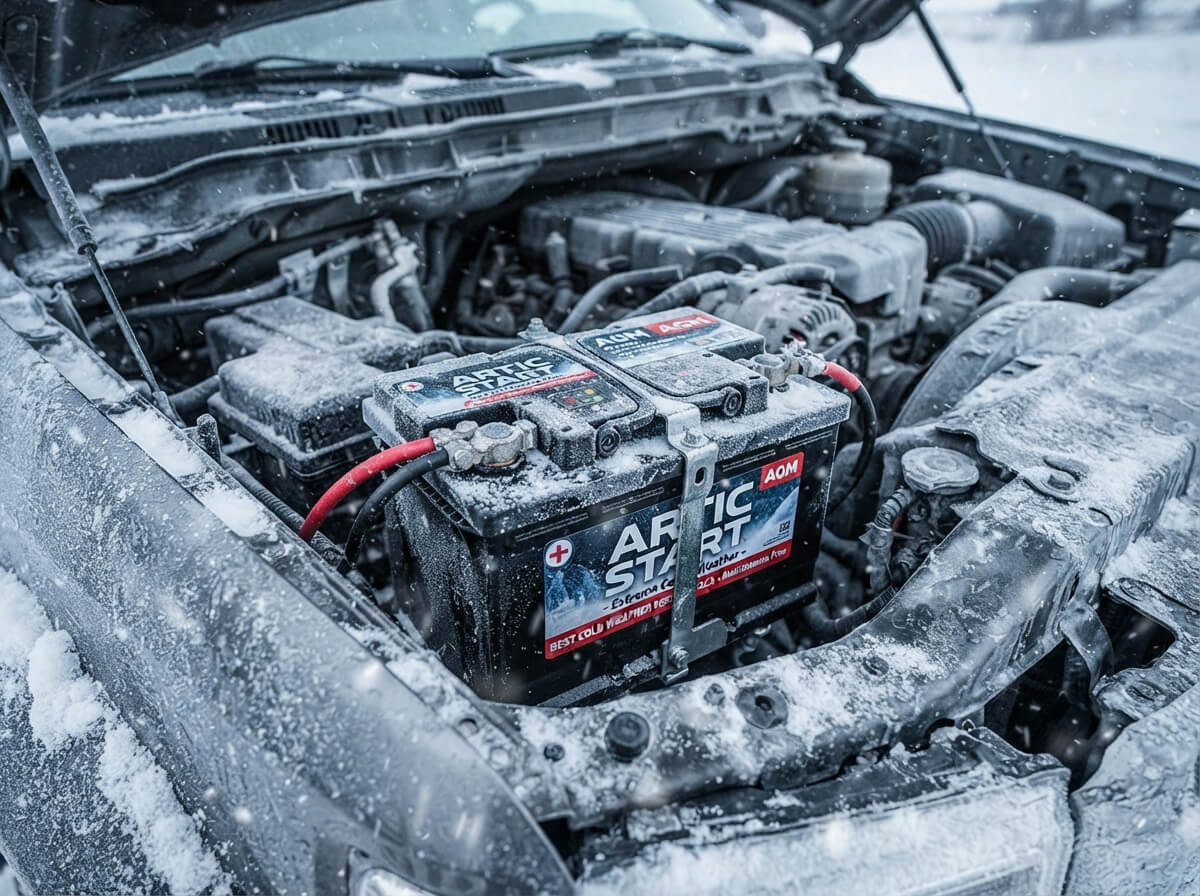
5 Best AGM Battery for Cold Weather In 2026
Cold weather is brutal on batteries. If you have ever tried to start a truck, boat, or RV on a frosty morning only to hear that slow, sad crank sound, you already know the pain. A weak battery in cold weather is not just annoying, it can leave you stranded miles from home.
This is where AGM batteries come in. AGM stands for Absorbent Glass Mat, and this design makes them tougher, more stable, and better at holding power in low temperatures than a regular flooded lead-acid battery. They also handle vibration better, sit safely in almost any position, and last longer under heavy use.
In this roundup, we look closely at five AGM batteries that are popular picks for cold climates, off-grid setups, marine use, and daily driving. We will break down each one in plain language, cover the good and the bad, and help you figure out which battery actually fits your needs. No hype, no fluff, just a straight look at what each battery brings to the table.
By the end of this guide, you will know exactly what to look for, which battery suits which job, and how to avoid common buying mistakes that cost people money and headaches every winter.
Why AGM Batteries Perform Better in Cold Weather
Before jumping into the reviews, it helps to know why AGM technology matters so much when temperatures drop.
A car or deep cycle battery loses cranking power as it gets colder. Chemical reactions inside the battery slow down, and this reduces the amount of current the battery can deliver in a short burst. That burst of current is exactly what your engine needs to start.
AGM batteries handle this better for a few reasons:
- The glass mat separator soaks up the electrolyte instead of letting it slosh around freely, which keeps the internal resistance lower.
- AGM batteries usually have a lower internal resistance overall, so they can push out more current even when it’s cold outside.
- They resist sulfation better, a process that eats away at battery capacity over time, especially in cold and damp conditions.
- Sealed construction means no leaks, no spills, and less exposure to moisture that can freeze and cause damage.
Cold Cranking Amps, often shortened to CCA, is the number you want to pay attention to. It tells you how many amps a battery can deliver for 30 seconds at 0°F while staying above 7.2 volts. A higher CCA rating generally means a stronger cold-weather start, though the size of your engine and how well your battery is maintained also play a role.
With that groundwork covered, let’s get into the actual products.
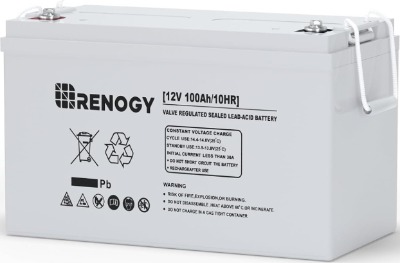
1. Renogy 12 Volt 100Ah Deep Cycle AGM Battery
Product Description
The Renogy 100Ah AGM battery is built mainly for deep cycle use rather than engine starting. It’s a sealed, maintenance-free lead-acid battery designed for solar setups, off-grid cabins, RVs, and backup power systems. Renogy has built a solid name in the solar and off-grid space, and this battery is one of their most recommended options for people building a reliable power bank.
Unlike starting batteries that deliver a short, powerful burst, this one is made to discharge slowly and steadily over a long period, then recharge and do it again. That’s the whole idea behind a deep cycle battery.
Best Use Cases
This battery shines in setups where you need steady power over hours, not just a quick jolt to start an engine. Good fits include:
- Solar power systems for cabins, sheds, or tiny homes
- RV house batteries that run lights, fans, and small appliances
- Backup power for medical devices or home essentials during outages
- Trolling motors that need slow, sustained discharge
Key Features Explained Simply
Deep cycle design means the battery can be drained down and recharged repeatedly without wearing out fast, unlike a starting battery that hates being drained low.
Sealed AGM build means you never add water, never worry about acid spills, and can mount it on its side if space is tight.
Low self-discharge rate means the battery holds its charge well even if it sits unused for weeks, which is great for cabins or RVs used only on weekends.
Built-in safety valve releases excess pressure automatically, adding a layer of protection during charging.
Real-Life Usage Insight
People who run a small solar setup at a cabin often pair two or four of these batteries together to build a bank that can run lights, a fridge, and a few small devices overnight. Boat owners also use it to power trolling motors, since the steady discharge curve suits that kind of slow, continuous draw far better than a cranking battery would.
Pros
- Strong deep cycle performance for solar and off-grid use
- Can be mounted in different positions without leaking
- Handles repeated discharge and recharge cycles well
- Reasonably priced compared to lithium alternatives
- Low maintenance, no watering required
Cons
- Not designed for engine starting, so don’t expect big CCA numbers here
- Heavier than lithium batteries of similar capacity
- Charging needs a proper AGM-compatible charger to get full lifespan
- Slightly slower to accept a full charge compared to lithium options
Performance Discussion
In cold weather, this battery holds up reasonably well for its intended job, which is steady power delivery rather than cranking amps. Capacity does drop somewhat as temperatures fall, which is normal for lead-acid chemistry, but the sealed AGM design limits the damage that cold and moisture can cause compared to older flooded batteries. If you’re running a solar system through winter, insulating the battery box helps a lot with keeping performance closer to rated capacity.
Ease of Use
Setup is simple. Connect the terminals, mount it securely, and pair it with a compatible charge controller if you’re running solar. No fluid checks, no fuss.
Value for Money
For anyone building an off-grid or backup power system, this battery offers a fair price point with dependable performance. It won’t win any speed awards for starting engines, but that’s not its job. If deep cycle power is what you need, this is a smart, budget-friendly pick.
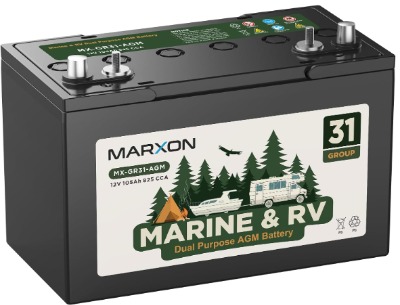
2. Marxon Group 31M Marine Battery Dual Purpose 12V 105Ah 825CCA
Product Description
The Marxon Group 31M is a dual purpose AGM battery, meaning it’s built to both start an engine and provide steady power afterward. This makes it a favorite among boat owners and RV drivers who want one battery that can crank the engine and then run onboard electronics without needing a separate house battery.
With a rated 825 CCA and 105Ah capacity, it packs a decent punch for its size, and the AGM build makes it more resistant to the vibration and rough handling that comes with life on the water.
Best Use Cases
- Boats that need reliable starting power plus the ability to run electronics
- RVs looking for a dual purpose battery instead of two separate units
- Trolling motor setups combined with occasional starting needs
- Heavy-duty applications where vibration resistance matters
Key Features Explained Simply
Dual purpose design gives you starting power and moderate deep cycle ability in a single battery, which saves space and money compared to running two batteries.
825 CCA rating means strong cold-weather starting performance, useful for boats stored outdoors through winter or RVs parked in chilly climates.
Group 31 size is a common, widely available size, so replacement and compatibility are rarely an issue.
Rugged AGM casing resists shocks and vibration better than standard flooded batteries, a big plus for marine use where rough water is part of the job.
Real-Life Usage Insight
Boat owners who store their vessel outdoors through cold months often notice weaker starts after a few seasons with regular batteries. Switching to an AGM dual purpose battery like this one tends to smooth that out, giving more confident starts even after the boat sits idle for a stretch.
Pros
- Strong CCA rating for reliable cold starts
- Handles both starting and moderate deep cycle duties
- Solid vibration resistance for rough marine conditions
- Group 31M size fits many existing battery trays without modification
- Sealed and spill-proof, safe for enclosed compartments
Cons
- Heavier than smaller starting batteries
- Not as deep-cycle capable as a dedicated deep cycle battery
- Price sits a bit higher than basic flooded marine batteries
- Terminal covers can feel a little flimsy on some units
Performance Discussion
Cold starts are where this battery earns its keep. The 825 CCA rating gives it enough punch to turn over marine engines even in chilly mornings. As a dual purpose unit, it won’t match a dedicated deep cycle battery for long, slow discharge sessions, but for anyone running lights, a fish finder, or a small pump for a few hours, it holds up fine.
Ease of Use
Installation is straightforward with standard terminals and a common group size. No special tools or adapters needed for most boats and RVs already using a Group 31 battery.
Value for Money
Given that it replaces the need for two separate batteries in many setups, this one offers solid value. It’s not the cheapest option out there, but the combination of starting power and moderate cycling ability makes it a practical middle-ground choice.
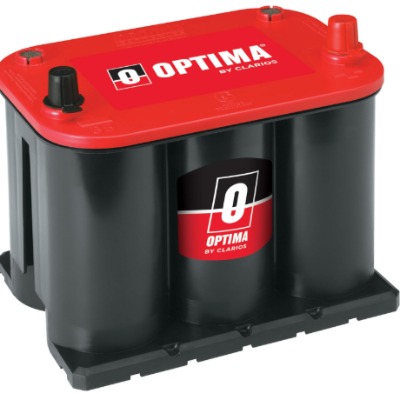
3. OPTIMA Batteries High Performance 35 REDTOP Sealed AGM Battery
Product Description
The OPTIMA REDTOP is a well-known name among car, truck, and SUV owners who want a dedicated starting battery with serious cold-weather muscle. Unlike the flat-plate design most batteries use, OPTIMA uses a spiral cell design, which is part of why this battery has built such a strong reputation for quick, powerful starts.
With 720 CCA, this battery is built purely for cranking power, not deep cycling. If your main concern is a fast, reliable start every single time, this is the kind of battery people reach for.
Best Use Cases
- Daily driver cars, trucks, and SUVs needing dependable starts
- Vehicles in cold climates where quick cranking power matters most
- Owners who want a long-lasting, low-maintenance starting battery
- Performance vehicles that benefit from a stable power supply
Key Features Explained Simply
Spiral cell technology wraps the battery plates tightly, which lowers internal resistance and boosts the burst of power available for starting.
720 CCA rating delivers strong cranking power even in freezing conditions, ideal for cold mornings.
SAE terminals make it compatible with a wide range of vehicles without needing adapters.
Versatile mounting allows installation at different angles, which is handy for tight engine bays.
Vibration resistance comes built into the spiral design, helping the battery survive rough roads and long-term wear better than standard flat-plate batteries.
Real-Life Usage Insight
Drivers in colder regions often switch to a REDTOP after dealing with sluggish starts from a standard battery during a hard freeze. The difference in cranking speed is usually noticeable right away, especially on the first cold morning after installation.
Pros
- Excellent cold cranking performance
- Long service life compared to many standard starting batteries
- Compact and lightweight for its power output
- Reliable brand reputation with wide availability
- Handles vibration and rough conditions well
Cons
- Higher price point than typical starting batteries
- Not designed for deep cycle or heavy accessory loads
- Capacity is lower in Ah compared to some competitors, so it’s not ideal for running electronics for long periods
- Some vehicles may need battery tray adjustments due to sizing
Performance Discussion
This is where the REDTOP truly stands out. Cold cranking is its specialty, and the numbers back it up. Drivers consistently report faster, more confident starts in freezing weather compared to standard batteries. Because it’s built for bursts of power rather than slow discharge, it’s not the battery to pick if you’re running a fridge or sound system off it for hours without the engine running.
Ease of Use
Straightforward installation with standard SAE terminals. The sealed design means no maintenance is needed after setup, just secure mounting and a clean connection.
Value for Money
The price sits on the higher end, but the performance and lifespan help balance that out. For drivers who deal with harsh winters and want peace of mind every time they turn the key, this battery earns its cost over time through reliability and reduced replacement frequency.
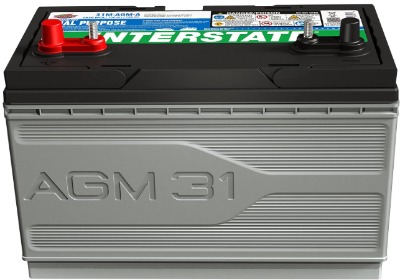
4. Interstate Batteries Marine/RV Battery 12V 100Ah 825CCA Group 31M AGM
Product Description
Interstate Batteries has a long-standing reputation for dependable power across cars, trucks, and marine equipment. This Group 31M AGM battery is built for both marine and RV use, offering a strong 825 CCA rating alongside 100Ah of capacity, making it another solid dual purpose contender for boats and recreational vehicles.
It’s a straightforward, no-nonsense battery aimed at buyers who want a trusted name without paying premium boutique pricing.
Best Use Cases
- RV owners needing reliable starting and moderate house power
- Boat owners who want a trusted brand with strong cold cranking specs
- Backup power for marine electronics during short trips
- Anyone replacing an aging Group 31 battery with an AGM upgrade
Key Features Explained Simply
825 CCA rating provides strong starting power, useful for both marine engines and RV generators in cold conditions.
100Ah capacity offers a decent buffer for running lights, water pumps, and small appliances between engine runs.
AGM sealed construction means no spills, safe mounting in enclosed spaces, and resistance to vibration common in boats and RVs on rough roads or water.
Trusted brand backing gives buyers confidence in consistent manufacturing quality and easier access to warranty support.
Real-Life Usage Insight
RV owners who spend time boondocking in colder areas often lean on batteries like this one to keep essential systems running overnight while still having confidence the engine or generator will start the next morning without a fight.
Pros
- Strong, reliable brand with widespread trust
- Solid CCA rating for confident cold starts
- Dual purpose functionality suits both marine and RV needs
- Sealed AGM build reduces maintenance headaches
- Good availability and easy replacement if needed
Cons
- Slightly heavier than some competing Group 31 batteries
- Not a dedicated deep cycle battery, so extended heavy use will drain it faster than a true deep cycle unit
- Price is mid-to-high range compared to generic alternatives
- Charging with a poor-quality charger can shorten lifespan faster than expected
Performance Discussion
Cold weather starts are handled confidently thanks to the solid CCA rating. As a dual purpose battery, it strikes a fair balance between starting power and moderate cycling ability, though heavy users running lots of electronics for extended periods may want to pair it with a dedicated deep cycle battery for best results.
Ease of Use
Setup follows standard Group 31 installation, so most RV and boat owners will find it a drop-in replacement without extra hassle.
Value for Money
Given the trusted brand name and strong specs, this battery represents fair value for buyers who want dependable performance without chasing the cheapest option on the shelf. It’s a safe, sensible pick for most marine and RV setups.
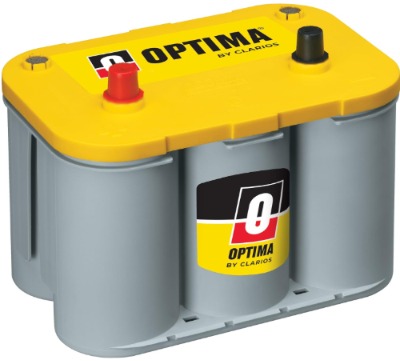
5. OPTIMA Batteries High Performance D34 YELLOWTOP Sealed AGM Battery
Product Description
The OPTIMA YELLOWTOP is the dual purpose sibling to the REDTOP, built to handle both starting duties and moderate deep cycle use. With a 750 CCA rating, it’s aimed at vehicles and setups that need strong cranking power along with the ability to run accessories, winches, or electronics without the engine running.
This makes it a popular pick for trucks with added electronics, off-road vehicles with winches, and vehicles that see heavier accessory loads than a typical daily driver.
Best Use Cases
- Trucks and SUVs with winches, off-road lighting, or added electronics
- Vehicles that need strong starting power plus moderate cycling ability
- Owners who want one battery to handle both jobs instead of running two
- Cold climate vehicles with higher electrical demands
Key Features Explained Simply
750 CCA rating provides strong cold-weather starting power, close to the REDTOP but with added cycling ability.
Dual purpose design means it can handle starting the engine and running extra electronics like winches, lights, or audio systems.
Spiral cell construction again plays a role here, giving lower internal resistance and better performance under both starting and cycling conditions.
Versatile mounting options make it easier to fit into vehicles with tight engine bay space.
Real-Life Usage Insight
Off-road drivers who run winches or auxiliary lighting often prefer the YELLOWTOP because it handles the extra electrical draw better than a standard starting battery, while still delivering a strong, confident start when the truck sits overnight in freezing temperatures.
Pros
- Strong dual purpose performance for starting and moderate cycling
- Reliable cold cranking power backed by a trusted brand
- Handles vibration and rough terrain well
- Good fit for vehicles with added electronics or accessories
- Long service life when properly maintained
Cons
- Higher price compared to standard dual purpose batteries
- Not a true deep cycle battery, so heavy, prolonged discharge will shorten lifespan faster than a dedicated deep cycle unit
- Slightly less starting power than the REDTOP since it’s built for a dual role
- Some vehicles may need bracket adjustments due to sizing differences
Performance Discussion
This battery does a commendable job balancing two demanding jobs. Cold starts remain strong thanks to the solid CCA rating, and the added cycling capacity means it copes well with extra accessories pulling power. It’s not meant to replace a dedicated deep cycle battery for heavy, prolonged use, but for moderate accessory loads paired with reliable starting, it performs admirably.
Ease of Use
Installation is simple with standard terminals, though checking bracket fit before buying is a smart move since sizing can differ slightly from stock batteries in some vehicles.
Value for Money
The price sits higher than basic batteries, but for anyone running extra electronics alongside standard starting needs, the dual purpose ability justifies the cost by removing the need for a second battery altogether.
Comparison Insights: How These Batteries Stack Up
Here’s a quick side-by-side look to help things click faster.
| Battery | Type | CCA | Capacity | Best For |
|---|---|---|---|---|
| Renogy 100Ah AGM | Deep Cycle | Not rated for starting | 100Ah | Solar, off-grid, RV house power |
| Marxon Group 31M | Dual Purpose | 825 | 105Ah | Boats, RVs needing start plus power |
| OPTIMA REDTOP 35 | Starting | 720 | Lower Ah | Cars, trucks, SUVs, pure cranking power |
| Interstate Group 31M | Dual Purpose | 825 | 100Ah | Marine, RV, trusted brand reliability |
| OPTIMA YELLOWTOP D34 | Dual Purpose | 750 | Moderate | Trucks with winches, extra electronics |
A few patterns stand out here. If you need raw cold cranking strength and nothing else, the REDTOP leads the pack. If you want a battery that can start an engine and still run gear afterward, the Marxon, Interstate, or YELLOWTOP all fit that role well, each with slightly different strengths. And if deep cycle power for solar or off-grid living is your main goal, the Renogy is built specifically for that job and shouldn’t be compared directly against the starting-focused options.
Buying Guide: What to Look for in a Cold Weather AGM Battery
Cold weather adds extra demands on a battery, so a few specific factors matter more than usual.
Cold Cranking Amps (CCA)
This number tells you how much punch the battery has for starting an engine in freezing conditions. Higher CCA generally means a stronger, faster start when it’s cold. Match the CCA rating to your vehicle’s requirements, since going too low can leave you with weak starts, while going higher usually adds a safety margin.
Capacity (Ah)
Amp-hours tell you how much energy the battery can store and deliver over time. If you’re running electronics, lights, or a fridge without the engine on, a higher Ah rating gives you more runtime before the battery needs recharging.
Dual Purpose vs Dedicated Starting vs Deep Cycle
Know what job you actually need done. A dedicated starting battery focuses all its design on quick bursts of power. A deep cycle battery focuses on slow, steady discharge over long periods. A dual purpose battery tries to do both reasonably well, though it won’t beat a dedicated battery at its specialty.
Physical Size and Group Number
Batteries come in standard group sizes, and picking the right one ensures it fits your existing tray and cables without modification. Group 31 batteries are common in marine and RV use, while smaller group sizes fit most cars and trucks.
Terminal Type
SAE terminals are common in cars and trucks, while marine batteries often use different terminal styles or offer multiple terminal options. Double check compatibility with your existing cables before buying.
Build Quality and Vibration Resistance
Boats, off-road trucks, and RVs all deal with bouncing, shaking, and rough handling. A well-built AGM battery with strong internal construction handles this far better than a cheap alternative, extending its working life significantly.
Charging Compatibility
AGM batteries need a charger designed for AGM chemistry to get the best lifespan. Using the wrong charger type can shorten a battery’s life dramatically, no matter how good the battery itself is.
Who Should Buy These Batteries
Daily drivers in cold climates who want dependable starts every morning should lean toward a dedicated starting battery like the REDTOP, especially if they don’t run heavy accessories.
Boat owners who need strong starting power plus the ability to run onboard electronics should look at the Marxon or Interstate Group 31M options, both built specifically for that dual role.
RV owners wanting a reliable house battery for lights, fans, and small appliances should consider the Renogy deep cycle battery, especially if paired with solar panels for recharging.
Off-road and truck owners running winches, auxiliary lights, or other add-ons benefit most from the YELLOWTOP, since it balances starting power with the extra draw those accessories create.
Anyone building an off-grid power system should focus on deep cycle batteries like the Renogy rather than starting-focused batteries, since the discharge patterns are completely different.
Common Mistakes to Avoid
Buying based on price alone. A cheaper battery that fails after one cold season ends up costing more than a slightly pricier battery that lasts several years.
Ignoring CCA requirements. Installing a battery with a CCA rating too low for your engine size leads to weak starts and shortened battery life, especially in winter.
Using the wrong charger. AGM batteries need chargers built for their chemistry. A standard flooded battery charger can overcharge or undercharge an AGM battery, cutting its lifespan short.
Mixing up starting and deep cycle needs. Using a pure starting battery for deep cycle duties, or vice versa, leads to poor performance and a shorter overall lifespan for the battery.
Skipping proper mounting and securing. Loose batteries vibrate more during travel, which speeds up internal wear, especially in boats and off-road vehicles.
Letting a battery sit fully discharged. Even AGM batteries suffer if left drained for long periods, especially in cold storage. A smart maintainer or trickle charger helps prevent this during off-season storage.
Forgetting to check size and terminal compatibility before buying. A battery that doesn’t physically fit your tray or match your terminal style creates unnecessary installation headaches.
Final Verdict
Each battery in this roundup earns its spot for a different reason, so the right pick really comes down to what job you need done.
If pure cold-weather starting power is your top priority and you drive a standard car, truck, or SUV, the OPTIMA REDTOP 35 delivers the strongest, most confident cranking performance in this lineup.
If you need a dual purpose battery for a boat or RV that handles both starting and moderate power needs, the Marxon Group 31M and Interstate Group 31M are both excellent, dependable choices, with Interstate offering a slightly more recognized brand name and Marxon offering solid performance at a competitive price.
If your setup involves off-road accessories, winches, or extra electronics alongside regular driving, the OPTIMA YELLOWTOP D34 strikes a smart balance between starting strength and cycling ability.
And if solar power, off-grid living, or RV house power is the main goal, the Renogy 100Ah Deep Cycle AGM stands out as the most purpose-built option for steady, long-term energy storage.
Cold weather doesn’t have to mean unreliable starts or dead batteries anymore. With the right AGM battery matched to your actual needs, winter mornings become a lot less stressful, and your equipment stays ready to go whenever you need it.