
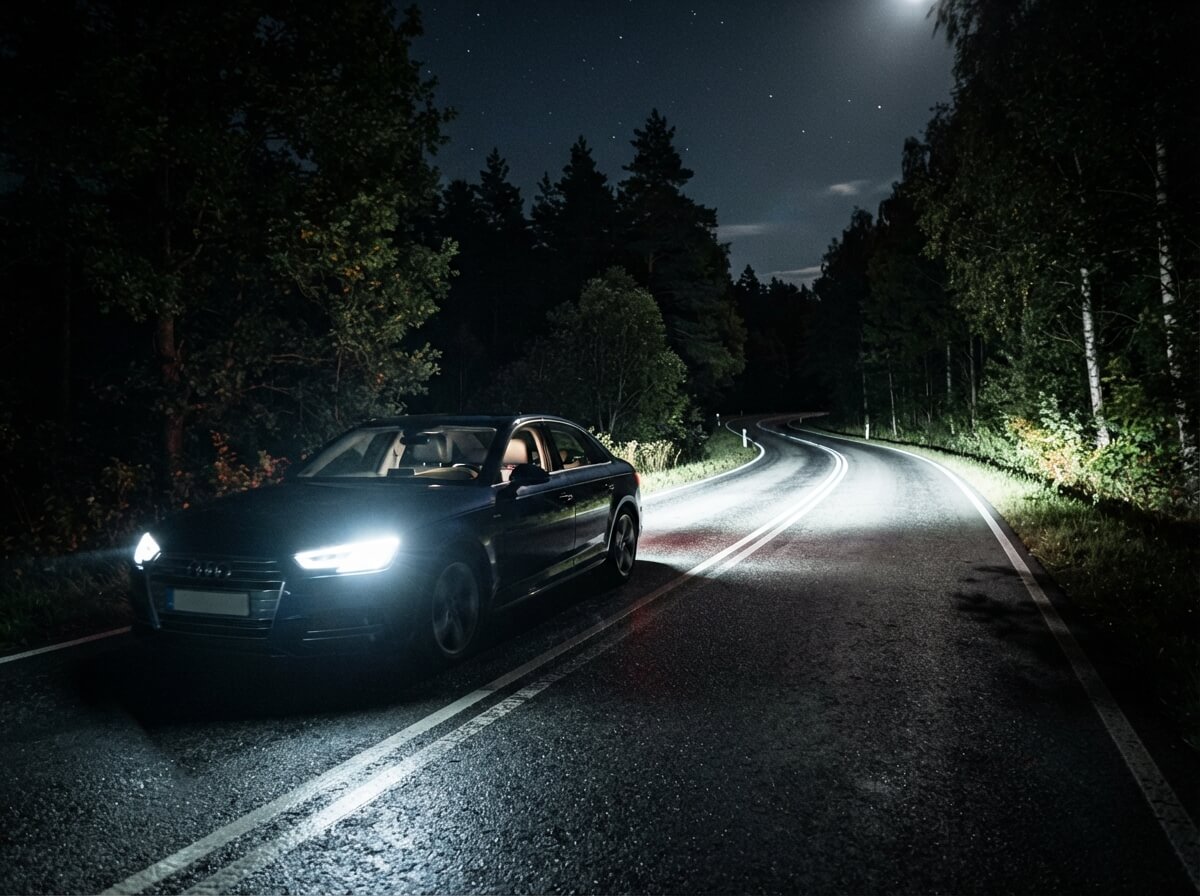
5 Best LED Headlights for Night Driving In 2026
Driving at night can feel like a totally different game than driving in the day. Shadows hide potholes, animals dart out of nowhere, and road signs seem to disappear until you’re almost on top of them. If your headlights are weak or your bulbs have that dull yellow glow, night trips get stressful fast. That’s why so many drivers are switching to LED bulbs. They throw out a brighter, whiter beam that lights up the road way better than old halogen bulbs ever could.
In this roundup, we’re going to walk through five popular LED lighting products that people search for again and again. Four of them are LED headlight and fog bulbs made for cars, trucks, and SUVs. One is a rechargeable LED headlamp made for your head, not your car, which is handy for campers, hikers, and anyone who works outdoors after dark. We’ll break down what each one does well, where it falls short, who it fits best, and how much value you actually get for your money.
By the end, you’ll have a clear picture of which bulb or lamp suits your driving style, your vehicle, and your budget. No fluff, no exaggerated claims, just an honest look at what these products bring to the table.
Why Good Lighting Matters So Much at Night
Before we jump into the reviews, let’s talk quickly about why this topic even matters. Most car accidents that happen after sunset come down to poor visibility. A driver sees a hazard too late, brakes too hard, or swerves without enough warning. Stock halogen headlights, especially on older vehicles, put out a warm yellowish light that doesn’t travel very far and doesn’t spread very wide either.
LED bulbs solve a lot of that. They produce a whiter light that’s closer to daylight, they usually throw a longer beam down the road, and they light up the sides of the road better too, which helps you spot pedestrians, cyclists, or deer before they step into your path. Good lighting also reduces eye strain on long drives, since your eyes don’t have to work as hard to make sense of dim, uneven light.
With that said, not every LED bulb performs the same way. Chip quality, cooling design, and beam pattern all affect how well a bulb actually lights up the road versus how good it looks in a marketing photo. That’s exactly why we’re digging into these five products one by one.
Quick Snapshot of the Five Products
- Ursprung H11/H8/H9 9005/HB3 LED Light Bulbs — high output twin pack built for drivers who want serious brightness
- RENO H11 Bulb — a simple, fanless bulb for people who want an easy plug-and-play fog light upgrade
- SEALIGHT H11 Bulbs — a fan-cooled bulb built for strong, steady output over long use
- AMAKER LED Headlamp — a rechargeable head-worn light for camping, hunting, and outdoor work, not for cars
- SEALIGHT 9005/HB3 LED Bulbs — a high RPM cooling fan bulb built for drivers who want maximum brightness in a waterproof housing
Now let’s get into the details of each one.
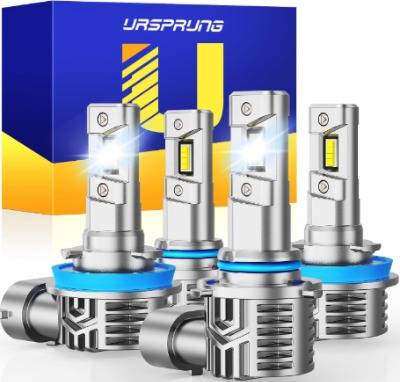
1. Ursprung H11/H8/H9 9005/HB3 LED Light Bulbs
Product Description
The Ursprung LED bulb set is built for drivers who want a serious brightness upgrade without rewiring their whole car. It fits H11, H8, H9, 9005, and HB3 sockets, which covers a huge range of cars, trucks, and SUVs on the road. The listing claims up to 180,000 lumens combined output and 120 watts of power, along with large CSP chips that spread light more evenly than older bulb designs. It’s sold as a pack of two, so you get a matching set for both headlights right out of the box.
Best Use Cases
This bulb is aimed at drivers who spend a lot of time on dark rural roads, highways with no streetlights, or anyone who just feels like their stock headlights are too weak. It also works well for people who tow, drive trucks, or need a wider spread of light for spotting road edges and shoulders.
Key Features Explained Simply
- Large CSP chips: Think of these as the light source inside the bulb. Bigger chips generally mean a wider, more even spread of light instead of a narrow hot spot.
- 6500K cool white color: This sits right around the shade of daylight, so the road looks crisp and clear instead of yellow-tinted.
- Canbus ready: Some modern cars throw a dashboard warning light when you swap bulbs because the car’s computer expects the resistance level of a halogen bulb. Canbus ready bulbs are built to avoid triggering that warning on most vehicles.
- Long lifespan rating: The listing claims up to 90,000 hours, which is far longer than a typical halogen bulb would ever last.
Real-Life Usage Insight
Drivers who install this kind of bulb usually notice the biggest difference on unlit country roads. The white light bounces off road signs and reflective paint much better than yellow halogen light, so signs seem to “pop” from farther away. Truck and SUV owners often report a wider light spread that helps when backing up a driveway or checking a work site after dark.
Pros
- Strong brightness that noticeably outperforms stock halogen bulbs
- Wide bulb compatibility, which reduces the chance of ordering the wrong size
- Cool white color makes road signs and lane markings easier to read
- Canbus compatibility lowers the risk of dashboard error lights on many vehicles
Cons
- Extremely high lumen claims from any bulb brand should be taken with a grain of salt, since real-world output is almost always lower than the number printed on the box
- Very bright bulbs can cause glare for oncoming drivers if the beam pattern isn’t aimed correctly
- Some vehicles may still throw a warning light despite canbus claims, depending on the exact model and headlight housing
Performance Discussion
In terms of raw output, this bulb sits toward the higher end of the aftermarket LED market. The large chip design tends to spread light more evenly across the beam pattern rather than throwing a narrow, tunnel-like beam. That even spread is genuinely useful because it lights up the sides of the road, not just the middle. Just keep in mind that beam alignment matters a lot. Even the brightest bulb will look weak or blinding if it isn’t seated and aimed properly inside your headlight housing.
Ease of Use
Installation is generally simple for anyone comfortable popping open a hood and swapping a bulb. No tools beyond your hands are usually needed. The trickier part is confirming your exact bulb size before ordering, since H11, H8, H9, 9005, and HB3 sockets look similar but aren’t interchangeable across every setup.
Value for Money
Given the brightness, bulb size range, and lifespan claims, this set lands as a solid mid-to-upper tier option. It’s priced above basic fanless bulbs but usually well below dealer-installed LED headlight assemblies, making it a reasonable pick for drivers who want a noticeable upgrade without a huge price tag.
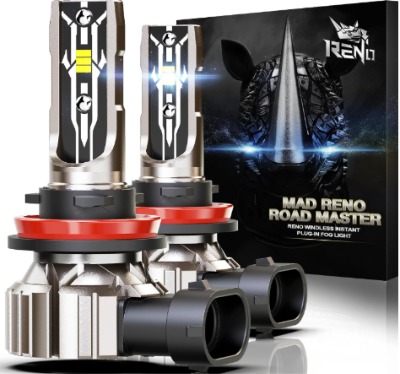
2. RENO H11 Bulb (H9/H8 Fog Bulbs)
Product Description
The RENO H11 bulb takes a simpler approach. It’s a fanless, in-line LED bulb built mainly for fog lights, though it also fits H9 and H8 sockets. It produces a 6500K cool white beam and comes as a pack of two. Since it has no fan, the whole unit is smaller and easier to tuck into tight fog light housings, which is often a problem area on many vehicles.
Best Use Cases
This bulb is a great fit for drivers who mainly want to upgrade their fog lights rather than their main headlights. Fog light housings are often cramped, and a bulb with no cooling fan sticking out the back tends to fit into those tight spaces without any modification.
Key Features Explained Simply
- Fanless design: No moving parts means nothing to wear out or get noisy, and the bulb body stays compact.
- In-line build: The compact shape helps it slide into narrow fog light housings that a bulkier fan-cooled bulb might not fit into.
- 6500K cool white output: Matches the same daylight-style color as most other modern LED bulbs, so your fog lights and headlights look consistent instead of mismatched.
Real-Life Usage Insight
Owners upgrading fog lights often run into fitment trouble with bulkier bulbs that have fans attached. A slim, fanless design like this one tends to solve that headache. Drivers report that fog lights look noticeably whiter and a bit brighter after the swap, though fog lights were never designed to throw light far down the road in the first place, so don’t expect headlight-level output here.
Pros
- Compact size fits into tight fog light housings without extra work
- No fan means silent operation and one less part that could fail down the road
- Simple plug-and-play install for most vehicles
- Consistent color match with cool white headlight bulbs
Cons
- Without active cooling, fanless bulbs can run hotter under sustained use, which may shorten lifespan compared to fan-cooled options
- Output is generally lower than fan-cooled bulbs, so it’s better suited for fog lights than as a primary headlight bulb
- Fog lights already have a short, wide beam pattern by design, so brightness gains are less dramatic than a headlight swap
Performance Discussion
Since this bulb passively cools itself instead of using a fan, it relies on the metal body and the surrounding housing to pull heat away. That works fine for fog light duty, where the bulb usually isn’t run continuously for hours at a time. Where it’s used correctly, in the fog light socket it was designed for, the white light output looks clean and even.
Ease of Use
This is about as simple as bulb swaps get. The compact shape means less wrestling with tight engine bay clearances, and there’s no fan wiring or extra bracket to deal with.
Value for Money
This bulb sits on the budget-friendly end of the lineup. It’s a smart, low-cost way to bring your fog lights up to match a cool white LED headlight setup without spending headlight-bulb money on a light that only needs to cover a short stretch of road right in front of the car.
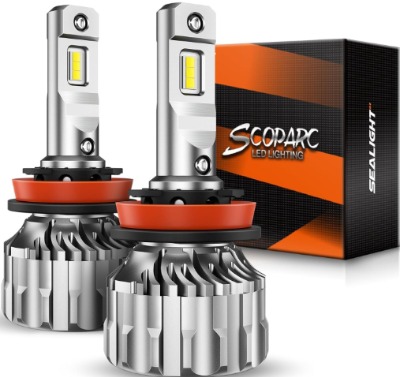
3. SEALIGHT H11 Bulbs (H11/H9, H8/H9 Fog Bulbs)
Product Description
SEALIGHT positions this bulb as a strong all-around option, rated at 70,000 lumens combined output with a 6500K cool white beam. It fits H11 and H9 sockets, and also works as an H8/H9 fog bulb. A built-in cooling fan spinning at 15,000 RPM handles heat management, and the listing claims a 70,000-hour lifespan.
Best Use Cases
This bulb suits drivers who want dependable brightness for daily commuting plus longer road trips, where the headlights run for hours at a stretch. The active cooling fan makes it a better match for drivers who do a lot of night driving regularly, not just occasionally.
Key Features Explained Simply
- 15,000 RPM cooling fan: This spins constantly while the bulb is on, pulling heat away from the LED chips so brightness stays steady instead of dimming as the bulb warms up.
- 6500K cool white color: Same daylight-matching shade you’ll find across most quality LED bulbs today.
- Dual socket compatibility: Works for H11/H9 as a main bulb and H8/H9 as a fog bulb, giving buyers flexibility without needing to buy multiple bulb types.
Real-Life Usage Insight
Drivers who log a lot of miles after dark, like delivery drivers or people with long commutes, tend to appreciate the steady output that active cooling provides. Unlike fanless bulbs that can dim slightly as they heat up over a long drive, a fan-cooled design tends to hold brightness more consistently mile after mile.
Pros
- Active cooling helps maintain steady brightness during long drives
- Flexible fitment across main headlight and fog light sockets
- Cool white output improves visibility of road signs and lane markings
- Reasonable balance between brightness and reliability
Cons
- The cooling fan adds a small amount of noise, though it’s usually not noticeable from inside the cabin
- Fan-based bulbs are slightly bulkier, so double check clearance in tight headlight housings before buying
- As with most aftermarket lumen ratings, real-world brightness will likely land a bit under the advertised number
Performance Discussion
The active cooling fan is really the standout feature here. Heat is the biggest enemy of LED brightness and lifespan, so a bulb that manages heat well tends to hold its performance over time better than one that doesn’t. In everyday use, that translates to a beam that stays bright and consistent whether you’re on a quick five-minute drive or a three-hour night trip.
Ease of Use
Installation follows the same basic bulb-swap process as most LED upgrades. The only extra step is confirming there’s enough room behind your headlight housing for the fan portion of the bulb, since fan-cooled bulbs are a bit longer than fanless ones.
Value for Money
For the brightness level and added cooling reliability, this bulb offers strong value in the mid-range price bracket. It’s a smart pick for drivers who want dependable, consistent performance rather than just a one-time brightness boost.
4. AMAKER LED Headlamp (Rechargeable, 99000 High Lux)
Product Description
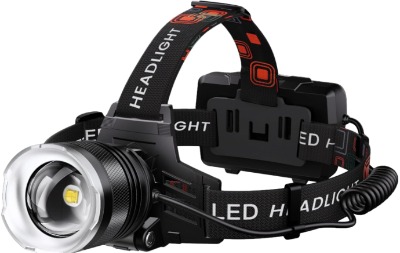
This one’s a bit different from the rest of the list since it’s not a car bulb at all. The AMAKER LED headlamp is a rechargeable head-worn light rated at 99,000 lux, with 12 different lighting modes, IPX7 waterproof protection, USB rechargeable battery, a zoom feature, and a 90-degree adjustable tilt. It’s built for hands-free use during outdoor activities like camping, hiking, hunting, or working around the house or garage after dark.
Best Use Cases
This headlamp is a great fit for anyone who needs hands-free lighting outdoors. Campers use it to set up tents in the dark, hunters use it to move safely through brush before sunrise, hikers use it on early morning or late evening trails, and homeowners use it for tasks like checking a fuse box, working under a car, or walking the dog at night.
Key Features Explained Simply
- 12 lighting modes: This usually includes different brightness levels plus special modes like red light or flashing light, giving you flexibility depending on the task at hand.
- IPX7 waterproof rating: This means the headlamp can handle rain, splashes, and even brief submersion without getting damaged, which matters a lot for outdoor use.
- USB rechargeable battery: No need to keep buying disposable batteries. Just plug it in like a phone.
- Zoomable lens: You can adjust the beam from a wide flood light to a focused spot beam depending on whether you need to light up a wide campsite or see something far down a trail.
- 90-degree adjustable tilt: Lets you angle the light down toward your hands or feet without tilting your whole head.
Real-Life Usage Insight
Outdoor users often mention how useful the zoom and tilt features are together. A wide flood setting works great for setting up camp or cooking, while switching to a focused beam helps when scanning farther down a trail or into the woods. The rechargeable battery is also a common highlight, since it saves money over time compared to constantly replacing disposable batteries in older headlamp models.
Pros
- Hands-free design frees up both hands for tasks like setting up gear or carrying equipment
- Multiple modes give flexibility for different situations, from close-up tasks to long-distance visibility
- Waterproof rating adds peace of mind during rain or damp conditions
- Rechargeable battery is more convenient and cost-effective long term than disposable batteries
- Adjustable angle and zoom make it versatile for different activities
Cons
- Not suitable as a car headlight replacement, since it’s built for personal, hands-free use rather than vehicle lighting
- Battery life will vary a lot depending on which mode and brightness level you use, so heavy use on the highest setting will drain it faster
- As with most lux ratings on outdoor gear, actual brightness may feel lower in real-world conditions than the number suggests
Performance Discussion
For outdoor use, the combination of adjustable brightness, zoom, and tilt covers most situations you’d run into after dark. On the brighter settings, it throws enough light to see a good distance down a trail or work area. On lower settings, it’s gentle enough for close-up tasks like reading a map or organizing gear without blinding yourself or ruining your night vision.
Ease of Use
The headband is adjustable to fit most head sizes, and switching between modes is usually done with a single button, which is handy when your hands are cold or you’re wearing gloves. Charging is as simple as plugging in a USB cable.
Value for Money
Considering it replaces the need for disposable batteries over time and covers a wide range of outdoor activities, this headlamp offers strong practical value for anyone who spends real time outside after dark. It’s a smart addition to a camping kit, tool bag, or emergency supply box.
5. SEALIGHT 9005/HB3 LED Bulbs
Product Description
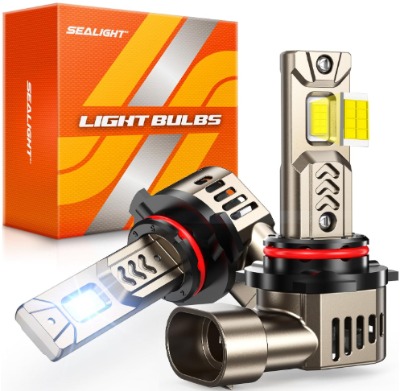
This is SEALIGHT’s high-output option for the 9005/HB3 socket, a size commonly used in many trucks, SUVs, and sedans. It’s rated at 70,000 lumens combined output, uses a 25,000 RPM cooling fan, puts out a 6500K cool white beam, and is built with an IP68 waterproof rating. The listing also highlights a quick “3 minute plug and play” installation process.
Best Use Cases
This bulb suits drivers who want maximum brightness paired with strong build quality, especially those who drive in wet or rough weather conditions where waterproofing really matters. It’s a solid pick for truck and SUV owners who often have larger headlight housings that easily accommodate the fan-cooled design.
Key Features Explained Simply
- 25,000 RPM cooling fan: An even faster spinning fan than SEALIGHT’s H11 bulb, aimed at keeping the bulb cool during long, heavy use.
- IP68 waterproof rating: This is one of the highest waterproof ratings you’ll see on a consumer product, meaning it can handle serious exposure to rain, snow, and road spray without an issue.
- 3-minute plug and play install: Suggests a straightforward swap process with no wiring changes needed for most vehicles.
- 6500K cool white beam: Keeps the daylight-style color consistent with other modern LED bulbs.
Real-Life Usage Insight
Owners of trucks and SUVs that use the 9005/HB3 socket often need a bulb that can handle exposure to the elements, since these vehicles are more likely to see off-road use, farm work, or rough weather. The high waterproof rating gives some reassurance there, and the fast-spinning fan helps keep brightness steady during long stretches of driving.
Pros
- Strong waterproof rating suited for rough weather and off-road conditions
- Fast cooling fan helps maintain consistent brightness over time
- Fast, straightforward installation process for most vehicles
- Cool white beam improves visibility of signs, lane lines, and road edges
Cons
- As with any high lumen claim, real-world brightness will be somewhat lower than the advertised figure
- The fan-cooled design takes up more space, so it’s worth double-checking headlight housing clearance before buying
- Very bright bulbs need proper aiming to avoid blinding oncoming traffic
Performance Discussion
The faster fan speed compared to SEALIGHT’s H11 model suggests this bulb is built to handle higher heat output, which usually goes hand in hand with higher brightness. In practice, that means the light should stay strong and even rather than fading after extended use, which is a common weak point in cheaper LED bulbs that lack proper cooling.
Ease of Use
The plug and play design means most drivers can complete the swap themselves in a short amount of time, without needing a mechanic or special tools. As always, confirming your exact bulb socket size ahead of time saves a return trip to the store.
Value for Money
Given the waterproofing, cooling performance, and brightness level, this bulb sits in the upper-mid price range but delivers solid performance that matches the price tag, especially for truck and SUV owners who need a rugged, reliable lighting upgrade.
Comparison Insights: How These Products Stack Up
Now that we’ve gone through each product individually, let’s line them up side by side to see how they compare.
Brightness: The Ursprung and both SEALIGHT bulbs sit at the top of the brightness range, with high lumen claims and strong beam output. The RENO bulb is noticeably dimmer by design, since it’s meant for fog lights rather than main headlights. The AMAKER headlamp isn’t really comparable here since it serves a completely different purpose.
Cooling method: The two SEALIGHT bulbs use active cooling fans, spinning at 15,000 and 25,000 RPM respectively, which helps maintain brightness over long drives. The RENO bulb skips the fan entirely for a compact fanless design, which trades some heat management for a smaller size that fits tight fog light housings.
Build and weather resistance: The SEALIGHT 9005/HB3 bulb stands out with its IP68 waterproof rating, making it a strong pick for drivers who deal with rough weather often. The AMAKER headlamp also brings solid weather resistance with its IPX7 rating, which matters a lot for outdoor use in rain or damp conditions.
Ease of installation: All four car bulbs advertise simple, tool-free installation, though fan-cooled bulbs are slightly bulkier and need a bit more clearance check before buying. The RENO bulb, being fanless and compact, tends to be the easiest fit into tight housings.
Purpose and versatility: The Ursprung and both SEALIGHT bulbs work well as primary headlight upgrades. The RENO bulb is best kept in its lane as a fog light bulb. The AMAKER headlamp stands completely apart as a personal, hands-free lighting tool rather than a vehicle bulb.
Buying Guide: What to Look for Before You Buy
Shopping for LED bulbs can get confusing fast, especially with so many brands throwing around big lumen numbers. Here’s what actually matters when you’re comparing options.
Check Your Bulb Socket Size First
This sounds obvious, but it trips up a lot of buyers. H11, H8, H9, 9005, and HB3 all look similar but aren’t interchangeable. Check your car’s manual or look up your exact make, model, and year to confirm the correct socket before ordering anything.
Don’t Chase Lumen Numbers Alone
Every brand loves printing huge lumen numbers on the box, but there’s no strict industry standard for how these numbers get measured. A bulb rated lower on paper but with better chip quality and cooling can easily outperform a bulb with a flashier number. Treat lumen ratings as a rough guide, not gospel.
Pay Attention to Cooling Design
Heat is the number one enemy of LED performance and lifespan. Bulbs with active cooling fans generally hold their brightness better over long drives compared to fanless designs, though fanless bulbs have the advantage of being more compact and quieter.
Look for Canbus Compatibility if Needed
If your car is newer, there’s a decent chance it monitors bulb resistance and may throw a dashboard warning if it detects a mismatch. Canbus ready bulbs are designed to work around that, though results can still vary by vehicle, so it’s worth checking reviews or forums specific to your car model.
Consider the Color Temperature
Most quality LED bulbs sit around 6500K, which gives a crisp, white, daylight-like glow. Going much higher than that can push the light into a bluish tint, which can actually look flashy but reduce visibility in rain or fog. Sticking closer to 6000K-6500K tends to give the best balance of brightness and clarity.
Think About Waterproofing
If you live somewhere with heavy rain, snow, or you do a lot of driving on wet roads, a bulb with a strong waterproof rating like IP68 adds real peace of mind against moisture getting into the housing over time.
Factor in Installation Difficulty
Most of these bulbs are marketed as plug and play, but headlight housing space varies a lot between vehicle models. Fan-cooled bulbs are bulkier, so it’s smart to measure or check compatibility notes before buying if your vehicle has a tight engine bay.
Who Should Buy These Products
Everyday commuters who drive home after work in the dark will benefit from any of the four car bulbs, especially ones with active cooling for consistent nightly use.
Truck and SUV owners who deal with rougher roads, farm work, or unpredictable weather should lean toward the SEALIGHT 9005/HB3 bulb because of its strong waterproof rating and higher cooling capacity.
Drivers upgrading just their fog lights without touching their main headlights will get the most value from the RENO bulb, thanks to its compact, fanless design built for tighter fog light housings.
Drivers wanting an all-around brightness boost for both everyday driving and occasional long trips should consider the Ursprung bulb set or the SEALIGHT H11 bulb, both of which balance brightness with dependable build quality.
Campers, hikers, and hunters who need hands-free lighting outdoors, completely separate from their vehicle, are the ideal audience for the AMAKER rechargeable headlamp.
People who work outside after dark, like those doing yard work, car repairs, or emergency prep, will also find the AMAKER headlamp genuinely useful for everyday tasks around the house.
Common Mistakes to Avoid
Buying the wrong bulb size: This is the most common mistake by far. Always double check your exact socket type before ordering, since a wrong-size bulb simply won’t fit or work properly.
Skipping the aiming step: Even a great bulb can blind oncoming drivers or leave dark spots on the road if the beam isn’t aimed correctly inside the headlight housing. After installing new bulbs, it’s worth parking in front of a wall or garage door to check that the beam pattern looks even and properly angled.
Ignoring cooling needs: Running a bulb without enough airflow or clearance around it can shorten its lifespan significantly, even if the bulb itself is high quality. Make sure there’s enough space in your headlight housing for proper heat dissipation.
Trusting lumen numbers blindly: As mentioned earlier, lumen claims vary wildly between brands and aren’t always measured the same way. Look at cooling design, chip quality, and real user feedback alongside the lumen number, not instead of it.
Forgetting about color temperature: Going for an extremely blue or purple-tinted bulb might look cool, but it can actually reduce visibility in bad weather. Sticking to a clean white, daylight-style color usually performs better in real driving conditions.
Overlooking waterproofing for outdoor gear: If you’re buying the AMAKER headlamp for camping or hunting, don’t assume all headlamps handle rain the same way. The IPX7 rating here is a genuine plus, but it’s still smart to avoid full submersion beyond what the rating covers.
Not checking local regulations: Some regions have rules around headlight color temperature and brightness levels for road use. It’s worth doing a quick check on local laws before installing extremely bright or unusually colored bulbs on a vehicle that’s driven on public roads.
Final Verdict
All five products bring something different to the table, so the right pick really depends on what you actually need.
If you want the biggest all-around brightness boost for your main headlights, the Ursprung H11/H8/H9 9005/HB3 LED bulbs and the SEALIGHT H11 bulbs are both strong contenders, with the SEALIGHT edging ahead slightly thanks to its active cooling fan and consistent performance over long drives.
If your main goal is upgrading fog lights without a complicated fit, the RENO H11 bulb is a smart, budget-friendly choice that solves the tight-housing problem many fog light upgrades run into.
If you drive a truck or SUV in rough or wet conditions and want serious durability alongside brightness, the SEALIGHT 9005/HB3 LED bulbs stand out with their strong waterproof rating and fast cooling fan.
If you need hands-free lighting for camping, hunting, or outdoor work rather than a car upgrade at all, the AMAKER rechargeable LED headlamp is a genuinely useful and versatile tool that has nothing to do with your vehicle but earns its spot for anyone spending real time outdoors after dark.
At the end of the day, there’s no single “best” pick that fits every driver. Match the product to your actual driving habits, your vehicle type, and the conditions you deal with most, and you’ll end up with lighting that genuinely makes night driving safer and less stressful.
2 Comments