5 Best snow chains for SUVs In 2026
If you drive an SUV through icy roads, steep mountain passes, or snow-packed driveways, you already know one thing: grip is everything. A good set of snow chains can be the line between a smooth drive and a scary slide into a ditch. But with so many brands, styles, and price tags out there, it gets confusing fast.
This guide breaks down five popular traction products sold for SUVs and light trucks. Some are classic chains, some are chain-style tire socks, and one is actually a tie-down strap that often shows up in “snow chain” search results by mistake. We’ll walk through each one in plain language, cover the good and the bad, and help you land on the right pick for your rig and your roads.
We’ll also cover how snow chains actually work, what SUV owners need to know before buying, common slip-ups people make when installing chains for the first time, and a final verdict section that sums everything up. No hype, no fluffy marketing talk — just a straight, practical look at each product.
Let’s get into it.
Why Snow Chains Still Matter for SUV Owners
A lot of new SUV owners think all-wheel drive is enough to handle snow and ice. It helps with acceleration, sure, but it does almost nothing for stopping and turning on ice. Traction devices like chains and snow socks grip the road surface directly, so your tires bite into snow instead of skating over it.
Many mountain routes and state parks actually require chains during storm season, regardless of what drivetrain your SUV has. Signs along the road will say “chains required” and rangers do check. Showing up without a set can mean turning back or getting a fine, so it pays to keep a set in your trunk even if you don’t expect to use them often.
Snow chains also matter because SUVs are heavier and sit higher than sedans, which changes how they behave on slick surfaces. That extra weight can work against you on ice if your tires lose grip, since a heavier vehicle takes longer to stop. Chains shorten that stopping distance and give your steering back some bite.
How We Looked at These Products
For this roundup, we focused on things that actually matter to everyday drivers: how easy the chains are to put on in cold weather, how well they grip on packed snow and ice, how durable the materials feel, what kind of SUV or truck they fit, and how much value you get for the price. We also looked closely at what each brand actually claims versus what the product is realistically built for, since not everything labeled for SUVs performs the same way once you’re standing in the cold trying to wrap chains around a tire.
Now let’s break down each product one by one.
1. VULCAN Car Tie Down with Chain Anchors (Lasso Style, 4 Pack)
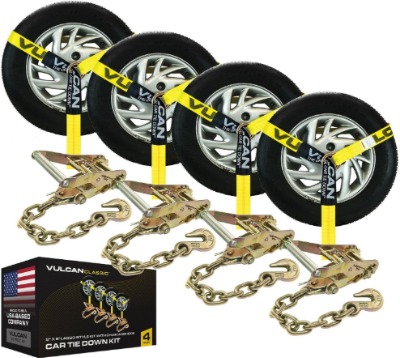
Before diving into this one, here’s an important heads-up: this product is not a snow traction device. It’s a heavy-duty tie-down strap system meant for securing vehicles onto trailers or transport trucks. It shows up often in searches related to chains because of the word “chain” in the name, but its job is completely different from a snow chain’s job.
What It Actually Is
The VULCAN tie-down set comes with four yellow, 2-inch wide straps, each 96 inches long, rated for a 3,300-pound safe working load. Each strap has a built-in chain anchor loop on one end, made for looping around an axle or frame point, which is why people call it “lasso style.” The other end usually connects to a ratchet buckle that tightens the strap down and locks your SUV in place during transport.
Best Use Cases
This is meant for people who haul vehicles: car shipping companies, tow truck operators, off-road SUV owners who transport their rig on a trailer, or anyone loading an SUV onto a flatbed. It has zero use for driving traction in snow.
Key Features Explained Simply
The chain-anchor loop lets you wrap the strap tightly around a wheel or axle, so the SUV stays firmly locked to the trailer bed even over bumpy roads. The 3,300-pound rating tells you how much pulling force the strap can handle before it’s pushed past its safe limit, which is plenty for most SUV wheels. The yellow color also makes it easy to spot during loading, so you’re less likely to leave a strap dangling or forgotten.
Real-Life Usage Insight
Owners who use this for transporting off-road SUVs, project vehicles, or trailer-hauled trucks tend to report solid holding power and straps that don’t fray easily. It’s a favorite among small hauling businesses because the four-pack covers a full vehicle with one strap per wheel.
Pros
- Strong holding capacity for vehicle transport
- Chain-anchor loop design grips wheels securely
- Comes as a set of four, enough for one full vehicle
- Bright yellow strap is easy to see and handle in low light
Cons
- Not a snow traction product at all
- Confusing product name for anyone searching for actual chains
- Requires a separate ratchet system in some kits, so check what’s included before buying
Performance and Ease of Use
For its intended job, tying down vehicles, this strap performs well. It’s simple to loop around a wheel and cinch tight, and the anchor style keeps things centered instead of sliding around. But again, if you clicked this thinking it would help your SUV grip snow, this isn’t the product for that job.
Value for Money
If you need a tie-down set, this is a fair deal for the load rating and quality. If you need snow traction, skip this one entirely and look at the chain-style or sock-style products further down this list.
2. AutoSock HP870 Passenger Vehicle Snow Socks (2 Pack)
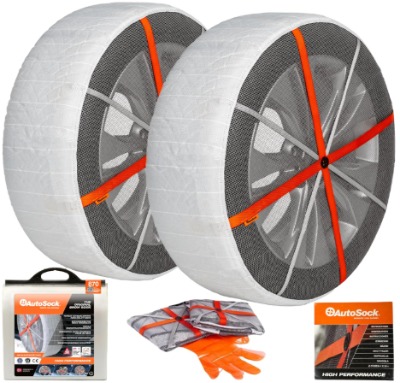
Now we’re getting into actual traction gear. The AutoSock HP870 isn’t a metal chain at all — it’s a fabric-based tire cover, often called a “snow sock,” that slips over your tire like a tight sleeve. Instead of metal links biting into ice, the textile grips snow through friction and channels away slush as you drive.
What It Is
Each AutoSock is made from a woven fabric designed to hug your tire’s shape. You stretch it over the tread, tuck the edges in around the rim, and drive off. There’s no chain, no metal clasp, and almost no learning curve compared to traditional chains.
Best Use Cases
This product shines for city and suburban SUV drivers who deal with occasional snow rather than deep mountain routes. It’s also popular with people who want something light to carry as a backup traction option, since it folds down small and doesn’t weigh much compared to steel chains.
Key Features Explained Simply
The fabric design spreads your SUV’s weight evenly across the tire, so it grips snow instead of just pressing into it, similar to how snowshoes work for walking. Because there’s no metal, it won’t scratch alloy wheels or wheel wells, and it runs quieter than chains, without that constant clacking sound on cleared pavement.
Real-Life Usage Insight
Drivers who live in areas with light-to-moderate snow tend to like these for quick trips during a storm, especially in neighborhoods with hills or steep driveways. People often keep a pair in the trunk purely for emergencies, since installing them takes just a few minutes even for a first-timer.
Pros
- Very easy to install, even for total beginners
- Lightweight and compact for storage
- Quiet ride with no metal-on-pavement noise
- Gentle on wheels, won’t scratch rims
- Good grip on packed snow and light ice
Cons
- Wears down faster than metal chains on rough terrain
- Not built for heavy off-road use or deep, icy mountain routes
- Can shift out of position if not fitted snugly
- Higher speeds aren’t recommended, so you’ll need to slow down more than with chains
Performance and Ease of Use
Installation is genuinely simple, and this is where the AutoSock stands out most. There’s no tensioning tool needed, no cold fingers fumbling with hooks, just a stretch-and-tuck motion. Performance on packed snow is solid, and the fabric channels slush away from the contact patch reasonably well. On sheer ice or rocky terrain, though, it can’t match the bite of steel chains.
Value for Money
For drivers who mainly need light snow traction and easy setup, this is a smart buy. It won’t replace heavy chains for serious winter mountain driving, but for daily errands during a snowy season, it earns its price.
3. SCC 0232805 Auto-Trac Light Truck/SUV Tire Traction Chain
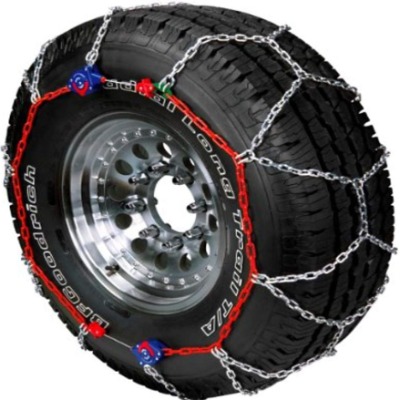
This one is a purpose-built traction chain made specifically with light trucks and SUVs in mind. SCC (Security Chain Company) has built a solid name in this space, and the Auto-Trac line reflects that with a straightforward, no-nonsense chain design.
What It Is
This is a traditional cable-and-link traction chain, made using a mix of steel cross members and durable cable side rails instead of full chain-link rails on both sides. That mix keeps the weight down a bit while still giving you the bite you need on snow and ice.
Best Use Cases
This fits drivers heading into real winter conditions: mountain roads, ski trips, rural routes that don’t get plowed quickly, or anywhere “chains required” signs pop up. It’s built for SUVs and light trucks, so the sizing tends to match larger tire setups better than passenger-car-only chains.
Key Features Explained Simply
The cable side rails keep the chain lighter and easier to handle than full-link chains, without losing much traction. The self-tightening design means the chain snugs itself down as you drive a short distance after installing, so you don’t need to stop and crank it tighter constantly. Rubber tightening cams (sold separately in some kits, included in others) help keep everything centered and reduce that annoying rattle you sometimes get with looser chains.
Real-Life Usage Insight
Drivers who deal with steep grades or unplowed backroads tend to reach for this type of chain because the grip holds up on thick snow and icy patches where fabric socks start to struggle. It’s a common pick for people heading to mountain cabins or ski resorts where chain checkpoints are common during storms.
Pros
- Strong grip on ice and packed snow
- Self-tightening design reduces mid-drive adjustments
- Lighter than full-link chains thanks to cable rails
- Well suited to SUV and light truck tire sizes
- Trusted brand with a long track record in traction gear
Cons
- Installation takes more practice than snow socks
- Ride is noisier than fabric alternatives
- Not meant for extended driving on cleared, dry pavement
- Rubber tensioners sometimes need separate purchase depending on the kit
Performance and Ease of Use
Once you’ve practiced installing this a time or two, it goes on fairly quickly. First-timers should expect to spend some time getting the fit right, kneeling in the snow with a set of gloves nearby. On the road, the grip is confident and predictable, especially compared to fabric socks when the terrain turns icy or steep. It’s not the fastest thing to strap on, but the payoff in traction is real.
Value for Money
For SUV owners who regularly face serious winter driving, this chain earns its price tag through reliability and a stronger grip range. It’s a smart middle ground between the ultra-simple snow sock and heavier full-link chains.
4. SCITOO QG2228CAM Snow Chains for Passenger Car, Pickup, Trucks, SUV
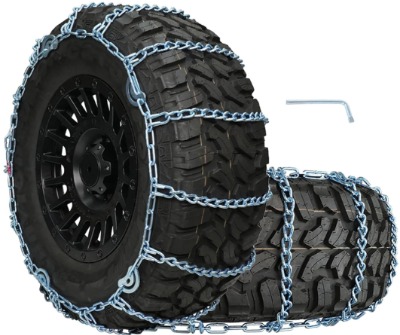
The SCITOO QG2228CAM lands in a similar category as the SCC chain, offering a traditional cable-style traction chain but aimed at a slightly wider range of vehicle types, from passenger cars up through trucks and SUVs.
What It Is
It uses a diamond-pattern cable design with metal cross links, built to spread pressure evenly across the tread. The CAM in the name points to the tightening cam system used to lock the chain snug against the tire after mounting.
Best Use Cases
This chain suits drivers who want one traction product that can flex across a few vehicle types in the household, say an SUV and a pickup that share similar tire diameters. It works well for occasional winter trips rather than daily heavy-duty mountain driving, though it can still handle moderate snow and ice routes without trouble.
Key Features Explained Simply
The diamond pattern gives more contact points across the tire compared to basic ladder-style chains, which usually means smoother, less bumpy handling as you drive. The cam-lock tightening system helps hold the chain in place, cutting down on that loose, rattly feeling that happens when chains aren’t snug. Made from hardened metal alloy, the links are built to resist wear from constant contact with rough, icy pavement.
Real-Life Usage Insight
Owners often mention that the diamond pattern makes for a smoother ride than they expected from a metal chain, with less vibration through the cabin. It’s a popular pick among drivers who want one set of chains that can be swapped between a couple of vehicles in the garage, as long as tire sizes line up.
Pros
- Diamond pattern gives a smoother ride than basic ladder chains
- Works across a decent range of vehicle types
- Cam-lock system holds tension well
- Reasonably priced for the traction it delivers
- Solid grip on snow-covered and icy roads
Cons
- Sizing charts need close attention, since fit varies a lot by tire dimension
- Not the lightest chain to carry or store
- Can take a bit of trial and error to get the fit dialed in the first time
- Metal noise on cleared roads, same as most cable chains
Performance and Ease of Use
Fit is the biggest factor with this chain. Get the right size and the diamond pattern grips confidently across snow and ice, with a ride that feels less jarring than blockier chain patterns. Installation takes a similar amount of practice as the SCC chain above, so expect a learning curve on your first attempt, especially in cold weather with gloves on.
Value for Money
This chain sits in a solid middle-of-the-road price point, offering decent grip and comfort for the cost. It’s a good pick for someone who wants dependable traction without paying a premium price for a specialty brand name.
5. Auto-Fixing Snow Chains, 30s Quick Fit Easy Installation Tire Chains
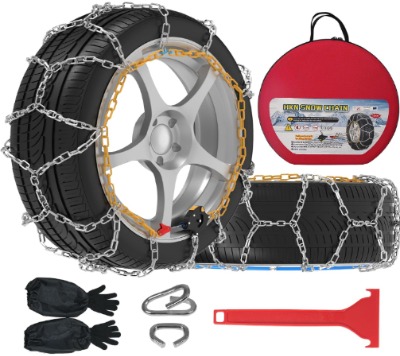
This last product takes a modern approach to the age-old chain-fitting hassle. Marketed around a 30-second installation claim, these chains use a different mounting method built for speed, aimed at drivers who dread the usual kneeling-in-the-snow chain routine.
What It Is
Made from high carbon steel, these chains use a quick-fix mounting system rather than the traditional loop-and-tension method. Instead of wrapping the chain fully around the tire and locking it manually, the design lets you clip or snap it into place across the tread in a much shorter amount of time.
Best Use Cases
This is aimed at drivers who want quick traction help without spending fifteen or twenty minutes fumbling with hooks and tensioners, especially useful for sudden snow showers or unexpected road conditions where you need chains on fast. It also suits reluctant beginners who feel intimidated by traditional chain installation.
Key Features Explained Simply
The quick-fit mechanism trims installation time down significantly compared to standard cable or link chains, which matters a lot when you’re standing in freezing wind trying to get moving again. High carbon steel construction gives the chain decent strength and resistance to wear, even though the mounting system itself is built more around speed than heavy-duty ruggedness. It’s reusable across multiple seasons if stored properly, so it isn’t a single-use product despite the “quick fix” branding.
Real-Life Usage Insight
Drivers who value speed over everything else tend to favor this type of chain, especially in situations where they need to get moving again quickly during an active storm. First-time chain users also seem to prefer it, since the traditional method can feel overwhelming without practice.
Pros
- Fast installation, a genuine time-saver over traditional chains
- High carbon steel offers solid durability for the price
- Beginner-friendly, less intimidating than classic hook-and-loop chains
- Reusable across seasons with proper storage
- Good option for sudden or unexpected snow situations
Cons
- Grip strength can lag slightly behind heavier-duty traditional chains on steep or icy grades
- Quick-fit mechanisms may wear out faster than classic tensioning hardware over time
- Not the best pick for extended off-road or backcountry winter trips
- Fit range may be narrower than some full-size traditional chains
Performance and Ease of Use
Ease of use is the clear standout here. If your biggest worry about snow chains is the installation process itself, this product solves that problem directly. Performance on packed snow is respectable, though drivers tackling steep alpine roads or thick ice will likely still lean toward heavier-duty options like the SCC or SCITOO chains above.
Value for Money
Given how much time it saves, this is a strong value pick for casual winter drivers or SUV owners who just want a reliable backup for occasional storms. It won’t outperform heavy-duty chains in extreme conditions, but for convenience, it’s tough to beat.
Comparison Insights: How These Products Stack Up Against Each Other
Laying all five products side by side makes the differences pretty clear.
The VULCAN tie-down set stands completely apart from the rest, since it’s built for hauling vehicles, not for driving traction. If snow grip is your goal, this one simply doesn’t apply, so skip it unless you also need trailer tie-downs.
Among the traction products, the AutoSock HP870 wins on ease of installation and quiet operation, but gives up some grip strength on steep or icy terrain compared to metal chains.
The SCC Auto-Trac and SCITOO QG2228CAM sit close together in performance, both offering strong traction through cable-and-link designs. The SCC leans slightly toward SUV and light truck sizing with a proven brand history, while the SCITOO spreads across a wider range of vehicle types with its diamond pattern, giving a smoother ride at a friendlier price.
The Auto-Fixing Quick Fit chains bring speed to the table above everything else. They trade a little bit of grip strength for a much faster, less frustrating installation process, which matters a lot to drivers who hate the usual chain-fitting struggle.
If grip strength on tough terrain is your top priority, lean toward the SCC or SCITOO chains. If speed and simplicity matter most, the Auto-Fixing Quick Fit set or the AutoSock will serve you better. And if you’re actually shopping for a way to transport your SUV rather than drive it through snow, the VULCAN straps are the only product on this list built for that job.
Buying Guide: What to Check Before You Buy Snow Chains for an SUV
Check Your Tire Size First
Every chain and sock product is sized to specific tire dimensions, printed on your tire’s sidewall as numbers like 235/65R17. Buying the wrong size leads to chains that either won’t fit snugly or won’t fit at all, so double check this before adding anything to your cart.
Know Your Local Chain Laws
Some states and mountain routes have specific rules about which chain types are allowed, and fabric-only traction devices sometimes don’t count as “chains” under strict signage requirements. A quick search for your route’s regulations saves you from a surprise at a checkpoint.
Think About How Often You’ll Actually Use Them
If you drive through snow just a handful of times each season, an easy-install option like the AutoSock or the Auto-Fixing Quick Fit chains probably makes more sense than a heavy-duty cable chain. Frequent mountain drivers or rural residents dealing with unplowed roads will get more long-term value from a sturdier chain like the SCC or SCITOO.
Practice Installing Before You Need To
Nobody wants to read instructions for the first time while standing in blowing snow at the side of the road. Practicing the install in your driveway on a dry day, even just once, saves a huge amount of stress later.
Storage and Portability Matter
Metal chains take up more trunk space and weigh more than fabric socks. If cargo room is tight in your SUV, factor that into your decision, especially if you’re already carrying winter gear, an emergency kit, or cargo for a trip.
Watch for Clearance Issues
SUVs sometimes have tighter wheel well clearance than trucks, especially with larger aftermarket wheels. Cross-check the chain manufacturer’s clearance guidelines against your specific wheel and suspension setup before buying, since a chain that’s too bulky can rub against brake lines or fenders.
Who Should Buy Snow Chains, and Which Type Fits Best
City and suburban drivers who see occasional snow will likely get the most value from something like the AutoSock HP870 or the Auto-Fixing Quick Fit chains, thanks to fast setup and light storage needs.
Mountain commuters and rural drivers facing regular snow and ice should lean toward heavier-duty chains like the SCC Auto-Trac or SCITOO QG2228CAM, since these hold up better across repeated tough conditions.
Ski trip travelers and road trippers heading into chain-required zones for a short window of time benefit from having a reliable, easy-to-carry backup, making the quick-fit or sock-style options a smart addition to a road trip kit.
Vehicle transport businesses or off-road SUV owners hauling their rig on a trailer are really the intended buyers for the VULCAN tie-down straps, not everyday winter drivers.
Common Mistakes to Avoid When Buying and Using Snow Chains
Buying the wrong size. This is by far the most common issue. Always match the chain product to your exact tire size rather than guessing based on your SUV’s model name.
Waiting until the storm hits to buy chains. Demand spikes fast once snow starts falling, and stores or online listings run out quickly. Buying ahead of time, and even doing a test install, saves a ton of stress later.
Driving too fast with chains on. Chains change how your tires interact with the road, and most manufacturers recommend staying under a certain speed limit, usually around 30 mph. Ignoring this can damage the chains or your vehicle.
Skipping the tightening check. Many chains, especially the self-tightening cable type, need you to drive a short distance and then stop to check tension again. Skipping this step leads to loose chains that rattle, shift, or come off entirely.
Storing wet chains without drying them first. Metal chains left wet in a trunk can rust over time, cutting their lifespan short. A quick rinse and dry after use keeps them in good shape for years.
Assuming AWD or 4WD replaces the need for chains. As mentioned earlier, drivetrain helps with acceleration but does little for braking and turning grip on ice. Chain-required zones apply regardless of drivetrain type in most cases.
Final Verdict
For SUV owners who genuinely need snow traction, three products on this list stand out clearly. The SCC 0232805 Auto-Trac is the strongest overall pick for drivers who face serious winter roads regularly and want dependable grip from a trusted name in the traction chain space. The SCITOO QG2228CAM comes in as a smart, budget-friendly alternative with a smoother ride thanks to its diamond pattern design, especially appealing if you need a chain that can flex across a couple of vehicles.
For drivers who want the easiest possible experience, the AutoSock HP870 and the Auto-Fixing Quick Fit chains both deliver on convenience, with the AutoSock winning on quiet, gentle operation and the Quick Fit chains winning on raw installation speed.
As for the VULCAN tie-down straps, they’re a genuinely solid product, just not for this job. Anyone hauling an SUV on a trailer will find good value here, but drivers searching for snow traction should look elsewhere on this list.
No single chain fits every SUV owner perfectly, so the right pick really comes down to how often you drive through snow, how steep and icy your local roads get, and how much patience you have for installation. Keep your tire size handy, check your local chain-law requirements, and pick the option that matches your actual driving habits rather than the flashiest marketing claim. That’s the real secret to picking gear that holds up when the roads turn white.