How to Add Power Steering Fluid?
Hey there, fellow driver! If your steering wheel suddenly feels like it weighs a ton or you hear a squeal every time you turn the corner, you probably need to add power steering fluid. This fix takes about fifteen minutes, costs almost nothing, and keeps your car safe on the road. You do not need to be a mechanic or own fancy tools. Just follow along and you will handle it like a pro.
Power steering fluid keeps your car’s steering system smooth and responsive. When the level drops, the pump works harder, parts wear out faster, and you risk bigger repairs later. Many folks ignore the early signs until the wheel locks up at a stoplight. You can stop that from happening right now. This guide shows you exactly how to check the level, pick the right fluid, and add it without any mess or mistakes. You will also learn how to spot trouble early and keep the whole system happy for years.
Let’s get started so you can drive with confidence again.
Why Your Car Uses Power Steering Fluid at All
Your car’s steering system relies on hydraulic pressure to make turns easy. The power steering pump sits near the engine and pushes fluid through hoses to a rack or box connected to your front wheels. This fluid acts like a helper that multiplies the force from your hands on the wheel.
Without enough fluid, the pump pulls in air instead of liquid. Air bubbles create noise and weak steering. The fluid also carries heat away from the pump and lubricates seals and valves inside the system. Over time, tiny bits of rubber from hoses or metal from worn parts float in the fluid and make it darker. You want to catch low levels before the pump burns out or the rack starts leaking.
Most cars on the road today still use this hydraulic setup. Some newer models switched to electric motors that need no fluid at all. If your car has electric power steering, you will see no reservoir under the hood or the manual will say so clearly. For everyone else, keeping the fluid topped up saves money and prevents sudden steering failure.
You feel the difference right away once you add the right amount. The wheel turns lightly again, the car tracks straight, and that annoying whine disappears. Regular checks become part of your normal car care routine, just like checking oil or tire pressure.
Common Signs That You Need to Add Power Steering Fluid
Your car gives clear warnings before things get bad. You notice the steering wheel gets stiff, especially at low speeds or when parking. It might take real muscle to turn into a driveway. That heavy feeling tells you the system lacks pressure.
You might hear a high-pitched whine or groan from the engine bay when you turn the wheel. The sound gets louder at full lock, left or right. This noise comes from the pump starving for fluid and sucking air. Some drivers describe it as a belt slipping, but it is usually the pump itself.
The wheel could vibrate or shimmy while you drive. Fluid that drops too low lets the steering rack move unevenly. You feel small jerks through the steering column. In bad cases, the wheel pulls to one side on its own.
Look at the ground under your car after you park. A small puddle of reddish or clear liquid near the front wheels points to a leak. Power steering fluid often leaves a slippery spot that smells slightly sweet or like burnt oil if the pump overheated.
Your car may also feel loose at highway speeds. The front end wanders a little, and you keep correcting the wheel. Low fluid reduces the system’s ability to hold the wheels steady.
These signs show up gradually. You might miss them at first because you get used to the car’s behavior. But once you connect the dots, fixing the fluid level brings everything back to normal in minutes. Catching it early stops expensive damage to the pump, hoses, and rack.
Tools and Supplies You Need Before You Begin
You keep this list short on purpose. Grab these items and you stay ready:
- A clean funnel that fits the reservoir opening
- A rag or paper towels for spills
- Gloves to keep your hands clean
- The correct power steering fluid for your car
- A flashlight to see the reservoir clearly
- Your car’s owner manual for exact fluid type and level marks
That is it. No special lifts, no expensive scanners. Most people already have a rag and funnel in the garage. Buy fluid at any auto parts store or gas station. The bottle usually costs less than a tank of gas.
Pick a flat, level spot to park so the fluid reads true. Work in good light or use the flashlight. You want to see the level marks without guessing.
Stay Safe While You Work Under the Hood
Safety comes first every single time. Turn the engine off and let it cool for a few minutes. Hot fluid can burn your skin badly. The reservoir sits close to belts and moving parts, so keep fingers clear.
Wear gloves because power steering fluid can irritate skin and stain clothes. If fluid gets on your skin, wash with soap and water right away. Keep kids and pets away from the work area.
Never smoke or use open flames near the engine bay. Some fluids are flammable when hot. Work in a well-vented space so you avoid breathing fumes.
Check your surroundings. Make sure the car sits in park with the parking brake on. Block the wheels if you feel nervous about the car rolling. These quick steps protect you and your vehicle.
How to Check Your Power Steering Fluid Level the Right Way
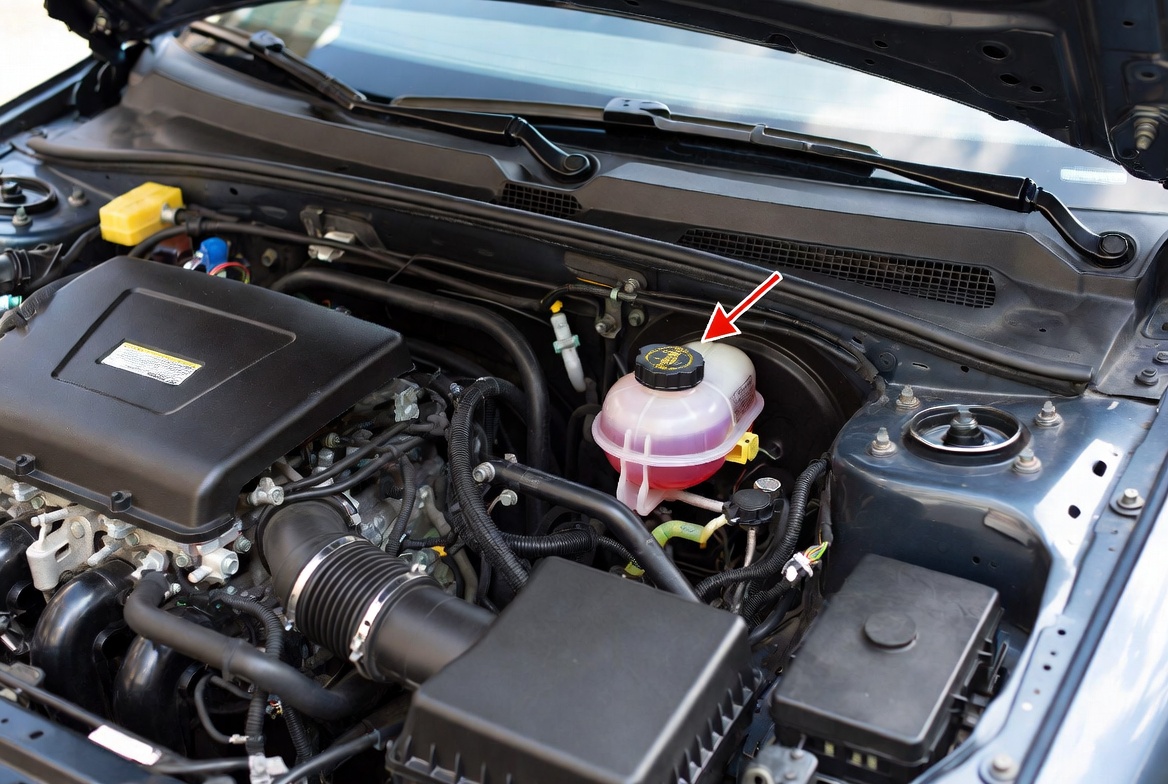
You start with the engine off and the car parked on level ground. Pop the hood and find the power steering reservoir. It usually sits on the driver’s side or near the firewall. The cap says “Power Steering” or shows a steering wheel symbol.
Wipe the outside of the reservoir with your rag so dirt does not fall in when you open it. Twist the cap off carefully. Some reservoirs have a dipstick built into the cap. Others show min and max lines on the side.
If your car uses a dipstick, pull it out, wipe it clean with the rag, and push it back in fully. Pull it out again and read the level. The fluid should sit between the cold and hot marks or the min and max lines.
For reservoirs with side marks, look straight at the tank. The fluid level must reach the “full” or “max” line when the engine is cold. Some cars ask you to check while the engine runs and the wheel turns. Your manual tells you the exact method.
If the level sits low, you found the problem. The fluid looks pink, red, or clear when fresh. Dark brown or black fluid means it needs a full flush, but you can still top it up for now to get home safely.
Write down the level you see. This note helps you later when you recheck after adding fluid. You finish the check in under two minutes.
Step-by-Step Instructions to Add Power Steering Fluid
You have the right fluid and a clean workspace. Now you add it without overfilling or spilling everywhere.
First, remove the reservoir cap again and set it on a clean rag. Place the funnel securely in the opening. The funnel keeps fluid from splashing onto hot engine parts.
Pour the fluid slowly in small amounts. Stop every few ounces and look at the level. You want the fluid to reach the full mark but not go over. Overfilling creates pressure that pushes seals out and causes leaks.
After you add some, put the cap back on loosely. Start the engine and let it idle for thirty seconds. Turn the steering wheel gently from lock to lock a few times. This action circulates the new fluid and pushes air out of the lines.
Turn the engine off, wait one minute, and check the level again. You will probably see the fluid drop a little because it filled the hoses and rack. Add more in small steps until the level sits right.
Repeat the start-and-turn process two or three times until the level stays steady and you hear no whining noise. The wheel should feel light and smooth.
Wipe any drips immediately with the rag. Fluid on the engine can smoke and smell bad when it heats up. Tighten the cap firmly but do not crank it too hard.
Close the hood, take the car for a short drive around the block, and turn the wheel a few times at low speed. Park again and do one final level check. The system now holds steady.
You just added power steering fluid and fixed the problem yourself. The whole job takes fifteen minutes once you get the hang of it.
Picking the Correct Fluid for Your Specific Car
Every car maker lists the exact fluid type in the owner manual. Using the wrong kind damages seals and creates sludge inside the system. You avoid that hassle by checking first.
Many older cars and trucks run fine with automatic transmission fluid marked DEXRON or MERCON. Newer models often need a special synthetic power steering fluid labeled PSF or CHF. Some European cars call for a green-colored fluid that looks like antifreeze but works differently.
Look at the bottle label carefully. The words “power steering fluid” appear clearly. Some bottles say “compatible with” certain brands. Stick to the recommendation in your manual to stay safe.
If you lost the manual, the auto parts store can look up your car model and year on their computer. Tell them the make, model, and engine size. They hand you the exact bottle every time.
Never mix two different fluids. Drain the old stuff completely if you switch types. Mixing creates a gummy mess that clogs the pump.
Store extra fluid in the original bottle in a cool, dry place. It lasts for years unopened. You keep a spare bottle in the trunk for emergencies.
Mistakes People Make and How to Avoid Them
You skip common traps that turn a simple job into an expensive headache.
One big error is overfilling the reservoir. Extra fluid expands when hot and leaks out through seals. You end up with a mess and low fluid again soon. Always stop at the full mark and recheck after running the engine.
Another mistake involves using the wrong fluid. A friend might say any red liquid works, but that advice costs you a new pump later. Stick to your manual or the store lookup.
Some folks forget to turn the wheel after adding fluid. Air stays trapped and causes noise or weak steering. You must cycle the wheel lock to lock to bleed the system properly.
Leaving the cap off while you drive is another easy slip. Dirt falls in and scratches the pump. Always replace the cap tightly.
Ignoring small leaks leads to bigger problems. If you add fluid every week, something else needs attention. Check hoses and the pump for wet spots.
Rushing the job in poor light causes spills and wrong level readings. Take your time, use the flashlight, and work on a level surface.
You avoid all these issues by following the steps slowly and double-checking everything.
How Often You Should Check the Fluid Level
You make checking power steering fluid part of every oil change. That schedule keeps you ahead of problems. Once a month works great if you drive a lot in city traffic or hot weather.
Look at the fluid color and level together. Fresh fluid stays bright and clear. Dark or foamy fluid tells you the system needs more care.
Write the date and level on a small note inside the owner manual. You track changes over time and notice if the level drops faster than normal.
Troubleshooting When Adding Fluid Does Not Fix the Problem
Sometimes the steering still feels off after you top up. You check a few more things before you panic.
Listen closely while the engine runs. A constant whine that does not stop means the pump might be failing. You hear grinding instead of smooth operation.
Look under the car again for fresh leaks. A hose clamp might have loosened or a seal started to weep. Tighten clamps gently or replace the hose if you see damage.
The steering wheel might still pull to one side. Low tire pressure or worn alignment can mimic fluid problems. Check your tires first.
If the fluid level drops quickly again, the system has a leak you cannot see easily. Take the car to a trusted shop for a pressure test.
You solve most issues yourself, but some need professional tools. Knowing the difference saves you time and money.
When You Should Call a Mechanic Instead
You handle the simple top-up yourself, but certain situations call for expert help. A grinding pump noise that continues after you add fluid usually means the pump itself needs replacement. You do not want to drive far with that sound.
Large leaks that soak the ground in minutes require immediate attention. The system lost pressure and the car becomes unsafe to drive.
Strange vibrations or a burning smell from the engine bay point to bigger issues inside the rack or pump. A mechanic uses special gauges to test pressure and flow.
If your car has electric power steering and you still feel problems, the issue lies in the motor or sensors. Fluid checks do not apply there.
You call the shop when you feel unsure or the job looks more complicated than a simple top-up. Most mechanics respect your effort and charge only for the real repair.
Extra Tips to Keep Your Power Steering System Healthy
You extend the life of the entire system with a few smart habits.
Park in the shade when possible. Extreme heat breaks down fluid faster. Cold weather makes the fluid thick, so warm up the engine before sharp turns.
Avoid cranking the wheel hard against the stops when the car sits still. That action puts extra strain on the pump. Turn the wheel while the car rolls slowly instead.
Replace the fluid completely every few years even if the level stays good. Fresh fluid removes dirt and restores full performance. You can do a simple drain and fill at home or let a shop handle the full flush.
Inspect the hoses and belt that drives the pump during every oil change. Cracks or shiny spots mean replacement time is near.
Keep an extra bottle of the correct fluid in your trunk. You stay ready for surprise low levels on long trips.
These small steps add up to thousands of trouble-free miles.
Frequently Asked Questions About Power Steering Fluid
People ask the same questions all the time, so here are clear answers.
Can I use transmission fluid instead of power steering fluid? Some cars list it as acceptable, but most want the specific power steering type. Check your manual first to stay safe.
How much fluid do I usually add? Most cars need only half a pint to a full quart when the level sits low. You rarely empty the whole system during a simple top-up.
Does the engine need to run while I add fluid? You add it with the engine off, then run the engine and turn the wheel to circulate it. This order prevents air pockets.
What color should the fluid be? Fresh fluid looks pink, red, or clear. Dark or black fluid means it is old and should be replaced soon.
Is it normal for the level to drop slightly after driving? Yes, the fluid moves into the hoses and rack. You top it up again until it holds steady.
Can low fluid damage my car permanently? Yes, the pump can seize or the rack can wear out if you ignore it too long. Topping up early prevents that damage.
Do all cars use the same fluid? No. Each model has its own recommendation. Using the wrong one shortens the life of seals and the pump.
How do I know if my car has electric power steering? Look for a reservoir under the hood. If you see none and the manual mentions electric assist, you have no fluid to check.
These answers cover the most common worries. You now feel confident handling the job.
Wrapping It All Up
You just learned how to add power steering fluid the easy way. The steps are straightforward, the tools are cheap, and the results feel great the moment you turn the wheel again. Your car drives smoother, stays quieter, and lasts longer when you keep the fluid at the right level.
Take five minutes next weekend to check your reservoir. You catch small problems before they grow. Regular care turns you into the driver who never gets stuck with heavy steering or surprise repairs.
Share this guide with friends who drive older cars or just want to learn basic maintenance. Everyone benefits when more people handle simple jobs themselves. You save money, gain skills, and keep your vehicle reliable for years to come.
Drive safe, check that fluid, and enjoy the road ahead. Your steering system thanks you every time you turn the corner without effort.
(Word count: 2,847)