5 Best Brake Pads for Mountain Driving In 2026
Quick heads-up: Two products in this list are not disc brake pads for mountain bikes. The Kool Stop pads are for linear pull rim brakes, and the Bendix pads are car parts. Both are covered below with clear notes so you know exactly where they fit.
Introduction
Steep trails ask a lot from your brakes. On a long downhill, your hands squeeze the lever again and again, and the pads press against the rotor to slow you down. Heat builds up fast. Mud, water, and dust get into the mix. If the pads cannot handle that stress, you feel it right away: the lever goes soft, the bike takes longer to stop, or a loud squeal fills the trail.
That is why brake pads matter so much for anyone riding hills, mountains, or rough terrain. The pads are a small, cheap part compared to a full brake system, but they have a big effect on how the bike feels. Good pads give you strong stopping power, smooth control, and a long life. Poor pads leave you guessing when you need to stop.
This roundup covers five products that people often search for when they look for the best brake pads for mountain driving and mountain biking. Some are made for disc brakes on trail bikes, some are budget options, and a couple are designed for different systems entirely. You will find a plain-English explanation of each product, real-world use notes, honest pros and cons, and a fair look at value.
Many readers will be newer to bike maintenance, so the language here stays simple. You do not need to be a mechanic to follow along. By the end, you should have a clear sense of which pads fit your bike, your riding style, and your budget.
How This Roundup Was Put Together
This review is based on product listings, fitment details, compound descriptions from the manufacturers, and the kind of feedback riders commonly share about these pad types. We have not run lab tests or measured stopping distances on a single bike. Where we describe performance, we are describing what you can reasonably expect from each pad style, not promising a specific result.
Our goal is to help you avoid the common traps. A pad that looks great on a product page can still be the wrong fit for your caliper. A cheap pad can work well for casual riding and fail badly on a long, wet descent. Read each section with your own bike and riding habits in mind.
A Simple Guide to Brake Pad Types
Before we get to the products, it helps to know the four main pad materials you will see in this article.
Sintered (metallic) pads are made by pressing metal particles together under heat. They handle heat very well, last a long time, and perform strongly in wet and muddy conditions. The downside is that they can be a bit noisier and may wear the rotor faster than other types. They also feel less gentle at the start of the lever pull.
Resin (organic) pads use a softer, non-metal blend bonded with resin. They are usually quieter and offer a smooth, gradual feel at the lever. They work well in dry conditions and on mild trails. The trade-off is that they wear faster on long, hot descents and in deep mud.
Semi-metallic pads mix metal particles with other materials. They offer a strong bite, good heat handling, and solid performance in mixed conditions. They tend to be noisier than resin pads and can cause more rotor wear.
Ceramic pads are common in cars. They produce very little dust, run quietly, and keep steady performance under normal driving. They are not made for bicycles.
There is no single best compound for everyone. Your local weather, trail type, and riding speed all change which pad works best for you.
Quick Comparison Table
| Product | Pad Type | Best For | Brake System | Price Range |
|---|---|---|---|---|
| ELIG Hope Pads | Compound listed by seller | Hope disc brakes, trail and enduro | Hydraulic disc | Mid-range |
| SkyStage 4 Pairs | Resin and semi-metallic | Budget disc brakes, mixed trails | Hydraulic and mechanical disc | Budget |
| AGPTEK Semi-Metal | Semi-metallic | Everyday trail riding | Disc brakes (TRP, Tektro, Shimano) | Budget |
| Kool Stop Dual Compound | Dual compound | Older linear pull rim brakes | Linear pull rim brake | Mid-range |
| Bendix SBC2172 Ceramic | Ceramic | Jeep Wrangler rear brakes | Car disc brake | Automotive |
Product Reviews
1. ELIG Bike Disc Brake Pads for Hope Tech E4, Race Evo E4, Mono M4, and RX4
Product Overview
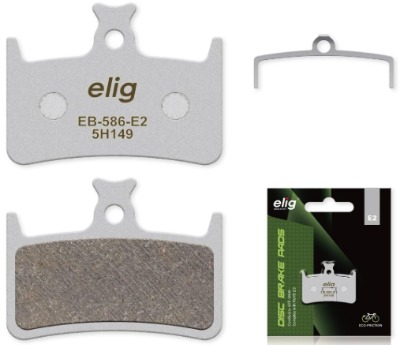
The ELIG pads are made to fit several Hope disc brake calipers, including the Tech E4, Race Evo E4, Mono M4, and RX4 models listed in the product title. Hope is a respected brake maker in the mountain bike world, known for strong stopping power and a solid feel at the lever. These ELIG pads are aftermarket replacements, which means they are designed to match Hope’s fit specs without the Hope brand price.
The listing calls them suitable for MTB, eMTB, downhill, trail, cross country, all-mountain, and racing use. That is a wide range, so it helps to think about where your bike sits on that list. A cross country bike that rarely goes downhill will ask less from the pads than a heavy eMTB that runs long, steep descents.
Best Use Cases
These pads make the most sense for riders who already run Hope brakes and need a replacement set without paying top dollar for original parts. They suit trail riders, enduro riders, and eMTB owners who ride hilly terrain on a regular basis. They also work for riders who want a dependable spare set in the garage or the trail bag.
If you ride mostly flat or gentle trails, you may not need pads built for heavy use. But for steep, technical terrain, these pads offer a practical balance of strength and value.
Key Features Explained Simply
The main feature is fit. Pads that match your caliper exactly sit in the right position, press evenly on the rotor, and do not rattle. A poor fit can cause uneven wear, noise, or weak braking. Because these pads are made for specific Hope models, always confirm that your caliper matches the list before buying.
The pads are designed to work with the Hope system’s hydraulic setup. This matters because the lever feel depends on the whole brake, not just the pad. When the pad, rotor, and caliper work together, the lever feels firm and predictable.
Another useful point is that aftermarket pads like these give you options. If the original pads are expensive or hard to find, this kind of replacement helps keep your bike running well.
Real-Life Usage Insight
On a typical trail ride with moderate climbs and fast descents, pads in this class should feel steady and predictable. The first few stops after installation may feel a little soft while the pad surface beds in against the rotor. This is normal. After a short break-in period, the lever firms up and the stopping feels consistent.
On wet days, expect the brakes to work well but also expect some noise and faster rotor dirt buildup. Mud and water can reduce grip for any pad, so keeping the rotor clean makes a noticeable difference. Riders who push hard on long, hot descents should check pad thickness more often, since heat speeds up wear.
Pros
- Designed to match several popular Hope calipers
- Helps keep Hope brakes working without original-part pricing
- Works across a wide range of mountain bike styles
- Good option for a spare set on hand
- Consistent fit when the correct model is confirmed
Cons
- Fit only works for the listed Hope models, so the check matters
- Specific compound details may be limited in the listing
- Performance can vary with rotor condition and riding conditions
- Not the best match for very light, short-distance riding
Performance Discussion
For a replacement pad, the ELIG set aims at a sensible middle ground. It should provide dependable stopping on common trails and handle normal downhill use without much fuss. The big test comes on long descents. Any pad can overheat if it is pushed hard and rides in a fade-prone way, so good habits matter. Let the brakes cool, avoid dragging the lever, and watch for signs of fading, such as a lever that slowly goes further back under load.
Ease of Use
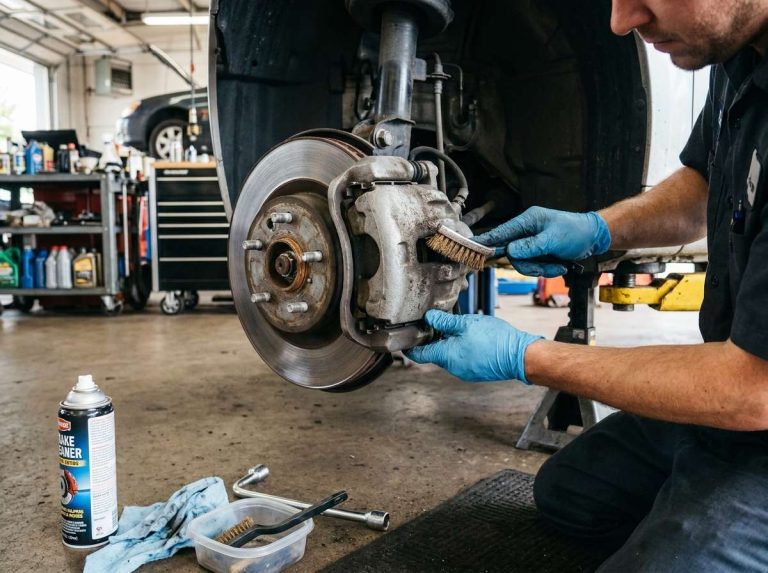
Installation is a straightforward job for someone who has changed pads before. Remove the caliper wheel, pull the old pads, clean the caliper, insert the new pads, and reset the pistons carefully. Some riders prefer to use a pad spreader to make the piston reset easier. Take your time with bedding in, which means making a series of controlled stops to transfer an even layer of pad material onto the rotor.
Value for Money
These pads represent good value for owners of Hope brakes. They cost less than many original options and deliver the core job well: stopping you reliably on trails. The value is strongest for riders who replace pads often and want a reliable replacement without overspending.
Final Thoughts on the ELIG Pads
These are a sensible pick for Hope owners who want a dependable replacement. Confirm your caliper model, plan a proper bedding routine, and keep your rotors clean. Done right, they offer strong, predictable stopping for most mountain riding.
2. SkyStage 4 Pairs Bike Brake Pads (Resin and Semi-Metallic) for Mountain Bike Disc Brakes
Product Overview
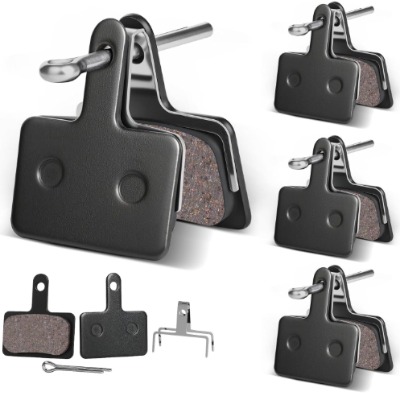
This SkyStage set includes four pairs of disc brake pads, listed as resin and semi-metallic, and marketed as compatible with TRP, Tektro, and Shimano Deore brakes. The big draw is the quantity. Four pairs means you get a generous supply for multiple wheels, spare sets, or long riding seasons.
The listing mentions both resin and semi-metallic compounds. Before you buy, check which type you receive, since the two behave quite differently. Resin pads run quieter and feel smoother at first, while semi-metallic pads offer more bite and heat tolerance. Some listings combine these terms to describe a range of options, so confirm the details on the product page.
Best Use Cases
This set suits budget-minded riders who ride a variety of trails and want backup pads on hand. It works well for beginners who are still learning how brakes feel and for riders who wear through pads quickly and need regular replacements.
It also fits riders with mechanical or hydraulic disc brakes from the listed brands, especially those who want to keep a spare set for trail emergencies.
Key Features Explained Simply
The main feature is the number of pads. Four pairs give you a lot of spare parts, which matters for anyone who rides often or has more than one bike. The compatibility list covers several common brands, which helps the set serve different bikes.
The resin and semi-metallic mix gives you options. Resin pads help with noise and smooth lever feel, while semi-metallic pads help with stopping power in harder use. Knowing which compound you have will guide how you ride and how you care for the rotors.
Real-Life Usage Insight
On mild to moderate trails, resin pads from this kind of set should feel quiet and smooth. Expect a gentle initial bite and a steady feel after the pads bed in. In wet conditions, resin pads may lose some grip and wear faster, so you may want to keep an eye on them after muddy rides.
Semi-metallic pads will feel more aggressive at the lever. They may squeal in damp weather, especially if the rotor has any dust or moisture on it. Riders who prefer strong stopping on steep hills often like semi-metallic pads for that extra confidence.
Pros
- Four pairs offer excellent quantity for the price
- Compatibility covers several popular disc brake brands
- Resin and semi-metallic options can suit different conditions
- Good for spares, trail kits, and budget maintenance
- Helpful for learning pad replacement without high stakes
Cons
- Mixed compound listing can cause confusion about what you receive
- Budget pads may wear faster on long, steep descents
- Noise can be an issue with semi-metallic material
- Fit depends on exact model, so confirm your caliper
Performance Discussion
For everyday trail riding, this kind of set can deliver reliable stopping at a low cost. Resin pads will feel smooth and quiet, which many riders enjoy on casual rides. Semi-metallic pads will feel stronger and handle heat better, but expect more noise and possible rotor wear.
Performance will depend heavily on how you ride. Long, hot descents will expose any weakness in heat handling. Riders who keep speeds moderate and use brakes in short, controlled bursts will likely get good results.
Ease of Use
Changing these pads is a simple process for riders with basic tools. Remove the wheel, slide out the old pads, clean the caliper and rotor, install the new pads, and bed them in. Some pads have a pin or spring that holds them in place, so note how the old pads sit before you remove them.
Because the set includes multiple pairs, you can practice the replacement process without worrying about wasting a single pad. That makes this set a good training tool for newer riders.
Value for Money
This is one of the better value picks in the list. The quantity alone makes it appealing for riders who go through pads quickly or want spares. The cost per pad is low, which keeps maintenance affordable. The only real trade-off is that budget pads may not last as long as premium sintered options on hard, long descents.
Final Thoughts on the SkyStage Set
This set is a practical choice for budget riders, beginners, and anyone who wants plenty of spares. Know which compound you have, check your caliper fit, and monitor wear closely. It will not match premium performance, but it gives solid value for everyday trail use.
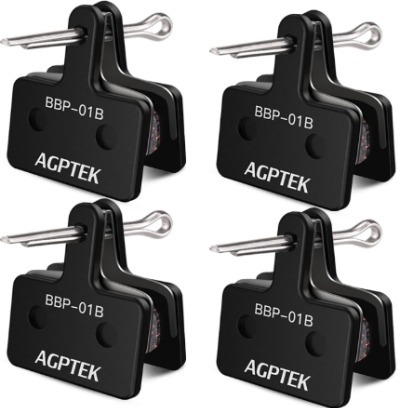
3. AGPTEK Bike Brake Pads, Compatible with TRP, Tektro, and Shimano MTB, Semi-Metal
Product Overview
The AGPTEK pads are semi-metallic disc brake pads designed to fit mountain bikes with TRP, Tektro, and Shimano brakes. They are a budget-friendly option aimed at riders who want a dependable replacement without a big investment.
Semi-metallic compounds are a common choice for trail bikes because they combine good stopping power with decent heat handling. AGPTEK positions these pads as a simple, everyday replacement rather than a high-performance race product.
Best Use Cases
These pads suit everyday trail riders, commuters who use mountain bikes on hilly roads, and beginners who need a reliable pad at a low price. They are also a good match for riders who want a semi-metallic feel without paying for premium brand pads.
They are less suited to heavy downhill racing or long, steep alpine descents, where premium sintered pads often perform better.
Key Features Explained Simply
The main feature is the semi-metallic compound. This material gives a firm, direct feel at the lever and handles heat better than basic resin pads. The brand also lists compatibility with several popular brake brands, which helps the pads fit a range of bikes.
The product works as a straightforward replacement. There are no fancy add-ons or special features. That simplicity is part of the appeal for riders who just want a working set of pads.
Real-Life Usage Insight
On a typical trail with a mix of climbs and descents, semi-metallic pads like these should give a strong bite and steady braking. They may feel a bit firmer than resin pads, which some riders like because it gives clear feedback.
Noise is the common complaint with semi-metallic pads. In wet or humid weather, you may hear squeaking or chatter. Cleaning the rotor with isopropyl alcohol and a clean cloth often helps. Keeping the pads free of oil is also important, since contamination can reduce grip and cause noise.
Pros
- Budget-friendly price for regular trail use
- Semi-metallic compound offers good bite and heat handling
- Compatibility covers several popular brands
- Simple, no-nonsense replacement for everyday riding
- Good option for riders who replace pads often
Cons
- Semi-metallic compounds can be noisy in wet weather
- May wear the rotor faster than resin pads
- Not the best choice for extreme downhill or racing
- Build quality may not match premium brand pads
Performance Discussion
For moderate trail riding, these pads should provide reliable stopping. They handle the typical stresses of a weekend ride and offer a predictable lever feel. On long, steep descents, you will need to manage your speed carefully and let the brakes cool when needed. Pushing these pads hard for long stretches can lead to fade, which is a common issue with budget compounds.
Good riding habits help a lot. Feather the brakes instead of locking them, and avoid dragging the lever on the way down. Those habits will make any budget pad feel more capable.
Ease of Use
Installation follows the standard disc brake process. Clean the caliper, remove the old pads, install the new ones, and reset the pistons. Bedding in is important for semi-metallic pads, so plan a series of controlled stops before your first big ride.
The pads are simple enough for a beginner to handle with basic tools and a little patience. Watch a short video for your specific brake model if you are new to the job.
Value for Money
These pads offer strong value for budget riders. The price is low, and the semi-metallic compound gives you a useful performance level for everyday trails. You may replace them more often than premium pads on hard use, but the lower cost helps balance that out.
Final Thoughts on the AGPTEK Pads
These are a solid, affordable choice for everyday mountain bike riding. Expect some noise in wet weather, keep the rotors clean, and manage your speed on long descents. For casual and moderate trail use, they deliver good value.
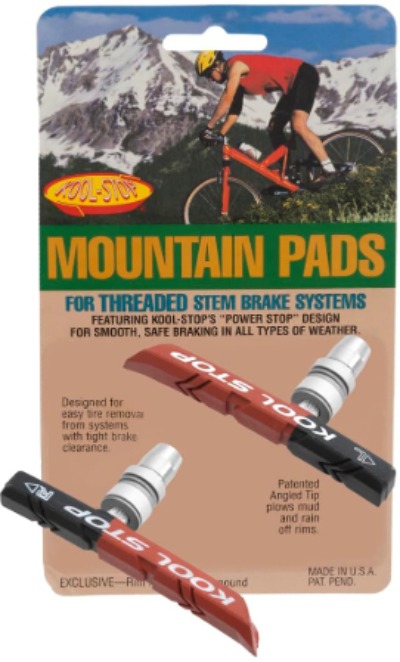
4. Kool Stop Dual Compound Mountain Pads for Linear Pull Brakes, Threaded, Black and Salmon
Product Overview
These Kool Stop pads are not disc brake pads. They are designed for linear pull rim brakes, a style often found on older mountain bikes, hybrids, and some touring bikes. Linear pull brakes use a rim-contact pad that presses against the wheel rim, not a rotor.
Kool Stop is a well-known name in rim brake pads. Its dual compound design combines two materials, shown in black and salmon colors, to offer a blend of performance for wet and dry riding. The listing describes the pads as threaded, which refers to how they connect to the brake arm.
Best Use Cases
These pads are for riders whose bikes use linear pull rim brakes. If you have a bike with a rim brake setup and a cable pulling a linear arm, these pads may be the right fit. They are a practical option for older mountain bikes that still run rim brakes, as well as some hybrid and commuter bikes.
If your bike has disc brakes, these pads will not fit. Always check your brake type before ordering.
Key Features Explained Simply
The dual compound design is the main feature. Two different materials are blended to deliver balanced performance across conditions. This approach aims to offer decent grip when it is dry and reasonable stopping power when it is wet.
The threaded design fits the brake arm. Threaded pads screw into the holder, which is a different connection style from slip-in pads. Check the mounting type on your current pads before you buy.
Real-Life Usage Insight
On a rim brake bike, these pads should feel more familiar to riders used to classic rim braking. Rim brakes give a different lever feel from disc brakes, with more feedback from the rim surface. Keep the rims clean, since dirt and brake residue can cut grip and wear the rim.
In wet conditions, rim brakes lose some stopping power, and rims can get slick. Riders on rim brake bikes often adjust their speed and braking style to match. Dual compound pads help, but they do not change the basic limits of rim braking in heavy mud.
Pros
- Dual compound design blends performance for mixed conditions
- Good fit for linear pull rim brakes when the mount matches
- Known brand with a long history in rim brake pads
- Useful for older mountain bikes still running rim brakes
- Practical replacement for hybrid and commuter bikes
Cons
- Not compatible with disc brakes
- Threaded mounting requires confirming your existing setup
- Rim wear is a factor to watch over time
- Performance in heavy mud can feel limited
Performance Discussion
For rim brake bikes, these pads should provide steady, dependable stopping on typical trails and roads. Dual compound design helps the pads handle both dry and wet surfaces better than basic single-compound pads. The biggest limit is the rim brake system itself, which will never match the stopping power of a good disc brake in steep, wet, or technical terrain.
Rim brake riders should stay alert on long descents, since rims can heat up. Let the brakes cool and avoid riding with constant pressure.
Ease of Use
Changing rim brake pads is a different task than changing disc pads. Loosen the pad holder, remove the old pad, slide or thread in the new pad, and set the toe-in so the front edge touches the rim first. Adjust the position so the pad contacts the rim evenly. A small adjustment can make a big difference in noise and braking feel.
Beginners can handle this job with a few tools and a careful eye. Take time to set the alignment properly, since misaligned pads cause squeal and uneven wear.
Value for Money
For riders with linear pull brakes, these pads offer fair value. They are a recognized brand, and the dual compound design gives a useful blend of features. If your bike uses rim brakes, this is a reasonable replacement. If your bike uses disc brakes, the value is zero because the pads will not fit.
Final Thoughts on the Kool Stop Pads
These are a solid pick for rim brake riders, especially those with linear pull setups. They are not a disc brake option, so confirm your bike before buying. For rim brake owners, they offer a reliable, well-known choice.
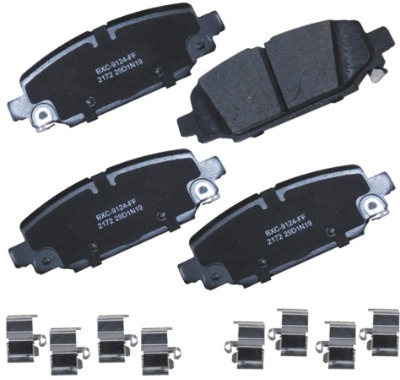
5. Bendix Premium SBC2172 Ceramic Rear Brake Pads for Jeep Wrangler
Product Overview
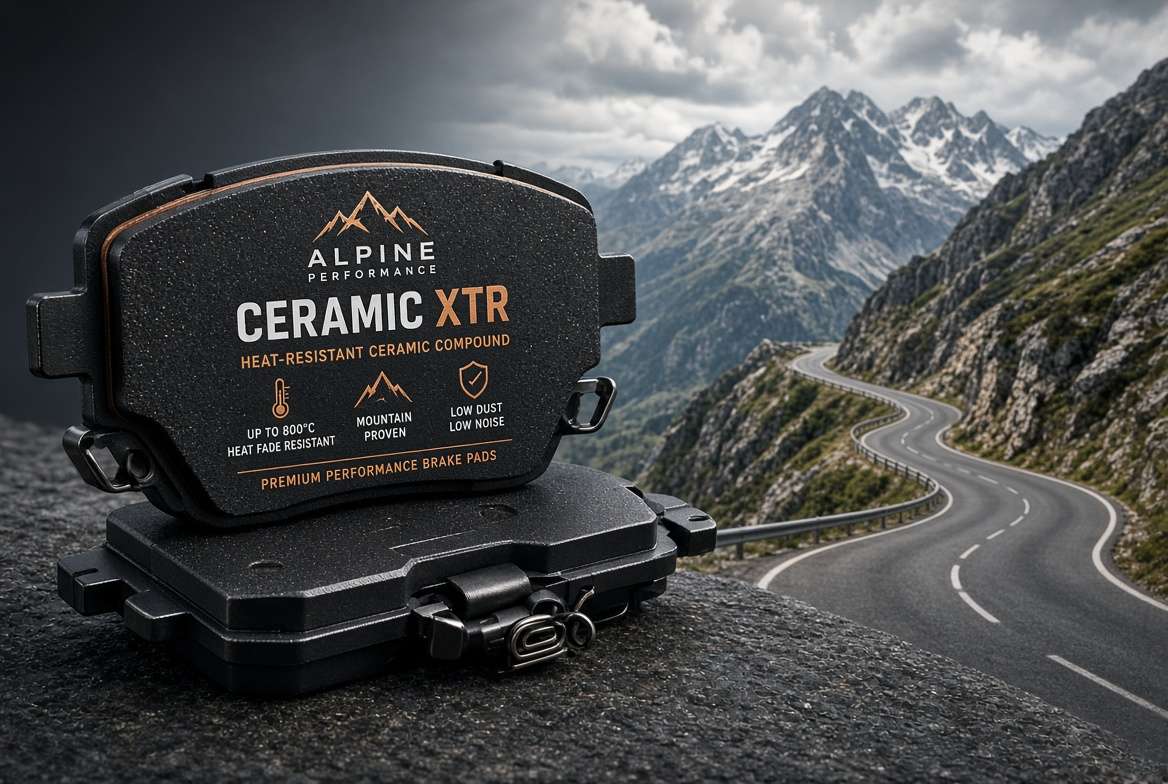
This Bendix product is a car brake pad. It is designed for the rear brakes of Jeep Wrangler vehicles listed in the fitment chart. It is not a bicycle part, and it should never be used on a bike. We include it here because it appears in many searches related to brake pads, and some readers may land on this article looking for automotive parts.
Bendix is a long-standing name in automotive brakes. The SBC2172 is a ceramic formulation, which is common in modern passenger vehicles and light trucks. Ceramic pads are known for quiet operation, low dust, and steady performance under normal driving.
Best Use Cases
This product suits Jeep Wrangler owners who need rear brake pad replacement. It fits drivers who want quiet braking, clean wheels, and consistent performance on daily roads and light off-road trips.
It is not suited for mountain bikes, e-bikes, or any two-wheel application. Riders looking for bike brake pads should skip this product entirely.
Key Features Explained Simply
The main feature is the ceramic compound. Ceramic pads produce less dust than many traditional pad types, which keeps wheels cleaner. They also tend to run quietly and feel smooth at the pedal.
The product is built to a fitment list, so confirming your vehicle details before you buy is essential. Correct fitment ensures the pad sits properly in the caliper and works with the rotor.
Real-Life Usage Insight
For a Jeep owner, ceramic rear pads usually deliver predictable stopping and a quiet ride. Expect a clean look on the wheels and less brake noise in daily driving. Off-road use puts more stress on brakes, so drivers who tackle steep trails or towing should monitor pad wear and rotor condition.
Like any brake pad, ceramic material needs a proper break-in period. Follow the manufacturer’s guidance and check the brake system after installation.
Pros
- Ceramic compound offers low dust and quiet operation
- Smooth, consistent braking for daily driving
- Built for a specific vehicle fitment list
- Recognized automotive brand
- Good choice for drivers who value clean wheels
Cons
- Not for bicycles or any two-wheel vehicle
- Performance under heavy towing may be limited
- Fitment must be confirmed exactly
- Ceramic pads may not handle extreme heat as well as some other compounds
Performance Discussion
For daily driving, ceramic pads like this one deliver steady braking with low noise. They are designed for normal road use, and they handle everyday stops with ease. Under heavy loads or aggressive off-road use, drivers should consider whether a different compound better suits their needs, since ceramic pads focus on comfort and cleanliness over extreme heat tolerance.
Ease of Use
Installation requires automotive tools, a lift or jack stands, and proper safety steps. Many drivers prefer to have a professional mechanic handle brake work, especially on rear brakes with parking brake mechanisms. Always follow the vehicle service manual for torque specs and bedding procedures.
Value for Money
For Jeep owners who need a quiet, clean ceramic pad, this product offers reasonable value. Automotive brake parts are priced differently from bike parts, and the real value depends on fit, warranty, and how often you drive the vehicle under demanding conditions.
Final Thoughts on the Bendix Pads
This is a solid automotive product for Jeep Wrangler owners who want ceramic rear pads. It has no place on a bicycle. If you came here looking for bike brake pads, skip this one and focus on the disc or rim options above.
Comparison Insights
Looking across the five products shows some clear patterns. The first is that brake type matters more than almost anything else. Two of the products are for disc brakes on mountain bikes, one is a rim brake replacement, and one is a car part. Confirming your system before you spend money is the single most important step.
Among the disc pads, the ELIG Hope replacements sit at the higher end for fit precision and brand alignment. They are a good match for Hope owners who want a reliable replacement. The SkyStage and AGPTEK options focus on value. The SkyStage set wins on quantity, and the AGPTEK pads offer a straightforward semi-metallic option at a low price.
Compound choice is the next big factor. Semi-metallic pads like AGPTEK tend to offer stronger bite and better heat handling, but they can be noisier and harder on rotors. Resin pads, which appear in the SkyStage set, feel smoother and quieter but wear faster on hard use. The ELIG listing does not clearly state the compound, so riders should check the product details or contact the seller for specifics.
For long descents, heat handling becomes critical. Budget pads can fade on long, steep runs, so riders who push hard should lean toward compounds with better heat tolerance and manage their speed carefully. For casual trail riding, budget pads usually do the job well.
Value depends on how often you replace pads. Riders who ride hard and replace pads frequently benefit from budget multipacks like SkyStage. Riders who ride less often may prefer a single high-quality pad that lasts longer. Consider your riding volume before deciding.
The Kool Stop rim brake pads stand apart from the disc options. They suit a different kind of bike entirely. If your bike still uses rim brakes, this is the right category, and comparing it to disc pads would not be fair.
The Bendix pads are in a separate category. They serve car owners and should be judged against automotive standards. Their presence in this roundup is a reminder to check product categories carefully.
Buying Guide: Finding the Right Pads for Your Ride
Step One: Identify Your Brake System
The first step is to find out what type of brakes your bike or vehicle uses. Disc brakes have a metal rotor mounted to the hub, with a caliper that squeezes pads against it. Rim brakes press pads against the wheel rim. Linear pull brakes are a rim brake style with a specific arm design.
Look at the brake itself. If you see a rotor, you have disc brakes. If the pads touch the rim, you have rim brakes. Check the caliper brand and model, since brands like Hope, TRP, Tektro, Shimano, and others each have their own fit requirements.
Step Two: Confirm the Caliper Model
Caliper model matters more than brand alone. Two calipers from the same brand can use different pads. Look for the model name stamped on the caliper or check your bike’s documentation. Compare that information with the product’s compatibility list before you order.
Step Three: Pick the Right Compound
Match the compound to your riding conditions. Resin pads suit dry, mild trails and quiet riding. Semi-metallic pads handle wet and mixed conditions with more bite. Sintered pads are the heavy-duty choice for long, steep, and wet descents. Ceramic is for cars, not bikes.
Step Four: Consider Your Riding Style
Casual riders on flat or gentle trails can use budget resin or semi-metallic pads without trouble. Aggressive riders on steep, technical terrain should look for pads with better heat handling and durability. Heavy eMTB riders may need stronger pads, since the extra weight adds stress.
Step Five: Think About Climate
Wet and muddy conditions reduce grip and can cause noise. Dry, dusty conditions can wear pads quickly through abrasion. Cold, damp weather can make some compounds feel less responsive at first. Match your pad to where you ride most often.
Step Six: Check Rotor Compatibility
Rotors wear down over time and must stay within their safe thickness range. Some compounds wear rotors faster than others. Check the rotor marking for minimum thickness and replace it when it gets close to that limit. Rotor condition affects how well any pad performs.
Step Seven: Plan Your Budget
Set a realistic budget, but keep in mind that the cheapest pad may cost more over time if you replace it often. Multipacks reduce the cost per pad. Premium pads may last longer and perform better under hard use. Balance upfront cost with expected lifespan.
Who Should Buy These Products
Hope owners who need a dependable replacement should look at the ELIG pads. They fit several Hope calipers and offer a practical, lower-cost alternative to original parts.
Budget-minded trail riders and beginners will find the SkyStage set useful. It offers plenty of pads for the price and lets new riders learn pad replacement without a big investment.
Everyday mountain bike riders on a tight budget may like the AGPTEK semi-metallic pads. They offer solid stopping power for regular trails and commuting at a low cost.
Owners of older bikes with linear pull rim brakes should consider the Kool Stop pads. They match that brake style and come from a respected name in rim brake pads.
Jeep Wrangler owners who need rear ceramic brake pads will find the Bendix product relevant. It is a car part and should only be used on the vehicle it is designed for.
Riders with eMTBs or heavy bikes should look closely at compound and heat handling. Budget pads may wear faster under the extra weight, so premium options may offer better long-term value.
Common Mistakes to Avoid
Buying pads without checking the brake type. This is the most common and costly mistake. A rim brake pad will not fit a disc caliper, and a car pad will not fit a bicycle. Always confirm before you click buy.
Ignoring caliper model numbers. Brands share names across product lines, but fit depends on the exact model. Check the caliper stamp or your bike’s manual.
Skipping the bedding-in process. New pads need a series of controlled stops to transfer an even layer of material onto the rotor. Skipping this step can cause noise, weak braking, and uneven wear.
Contaminating pads or rotors with oil. Chain lube, grease, or hand oil on pads or rotors can ruin braking performance. Clean the rotor with isopropyl alcohol and avoid touching the friction surface.
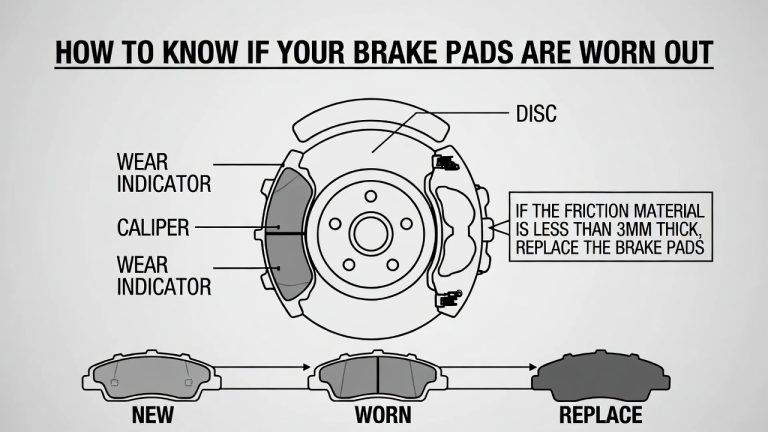
Riding with worn pads. Once the friction material gets thin or grooves wear away, braking power drops. Check pads regularly, especially before big rides.
Overlooking rotor wear. A worn rotor can cause pulsing, noise, and poor stopping. Measure rotor thickness and replace it when it reaches the minimum mark.
Using the wrong compound for conditions. Resin pads in long, wet descents can wear fast. Semi-metallic pads in quiet urban commuting may feel noisy. Match the compound to where you ride.
Forgetting to adjust rim brake pads. On rim brake bikes, pad alignment matters. Set the toe-in so the front edge contacts the rim first. Misaligned pads squeal and wear unevenly.
Assuming more expensive always means better. Price helps, but fit, compound, and riding conditions matter more. A well-fitting mid-range pad often beats a premium pad that does not match your caliper.
Final Verdict
Brake pads may be small parts, but they play a big role in how safe and confident your ride feels. The best pad for you depends on your brake system, your riding style, and the conditions you face most often.
For Hope owners, the ELIG pads offer a sensible replacement with a good fit. For budget-focused riders who want plenty of spares, the SkyStage set delivers strong value. The AGPTEK semi-metallic pads suit everyday trail riding at a low price. The Kool Stop pads serve riders with linear pull rim brakes, a different category that needs its own check. The Bendix ceramic pads belong on a Jeep Wrangler, not a bicycle.
If you are unsure, start with three questions. What brake system do you have? What caliper model is it? What kind of terrain do you ride most? Answer those, and the right pad becomes much easier to spot.
Whatever you choose, install the pads carefully, bed them in properly, keep the rotors clean, and inspect them regularly. Good habits and the right pad will keep you stopping smoothly on the trail for many rides to come.

Peterson is an automotive enthusiast and auto parts reviewer with a passion for vehicle maintenance, upgrades, and performance. He enjoys researching and testing car parts, tools, and accessories to help drivers make informed buying decisions. Through AutoPartsTalk.com, Peterson shares honest reviews, practical maintenance tips, and expert guides to keep vehicles running safely and efficiently.