How to Tell If Rack and Pinion Is Bad?
So your car’s steering feels off. Maybe it’s harder to turn the wheel. Maybe there’s a weird noise coming from under the hood. You start wondering if something’s wrong with your steering system. One component that might be causing trouble is your rack and pinion. But what is it? How do you know if it’s failing? Don’t worry—this guide will walk you through everything.
What Is a Rack and Pinion Anyway?
Before we dive into the warning signs, let’s talk about what a rack and pinion actually does.
Your steering system has to turn your wheels in the direction you want to go. The rack and pinion is the main part that makes this happen. Think of it as a bridge between your steering wheel and your wheels. When you turn the steering wheel, the motion gets transferred through the steering column to a small gear called the pinion. This pinion gear meshes with a long metal rod called the rack. As the pinion turns, it pushes or pulls the rack side to side, which moves your wheels.
It’s a pretty simple design that has worked well for decades. Most cars on the road today use this steering system. It’s common because it’s reliable and fairly easy to fix when something goes wrong.
Now, when this system starts to fail, you’ll notice changes in how your car handles. That’s what we’re going to explore.
The Most Common Signs Your Rack and Pinion Is Failing
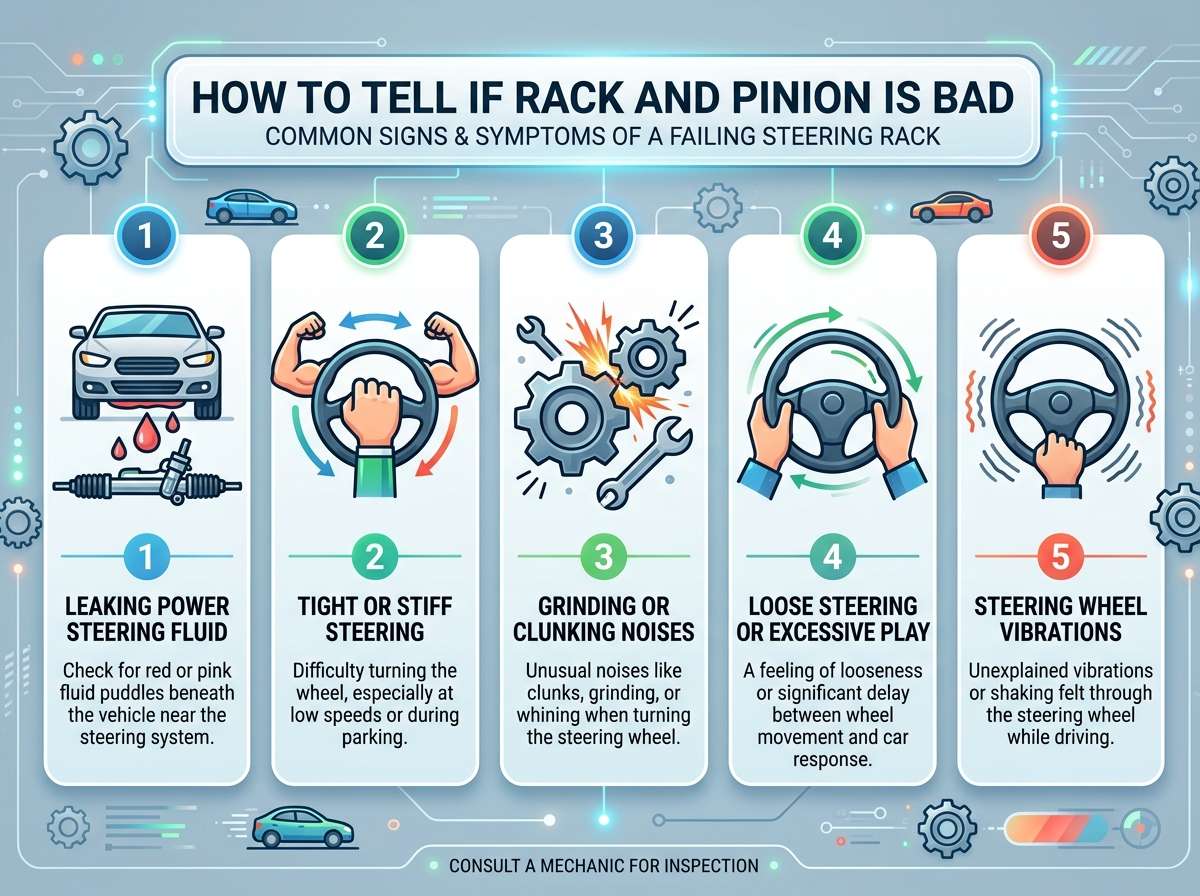
1. Your Steering Wheel Feels Stiff or Hard to Turn
One of the first things you might notice is that turning your steering wheel requires more effort than before. This is a big red flag.
When your rack and pinion system is working right, turning the wheel should feel smooth and easy. If suddenly you need to muscle the wheel to make turns, something’s wrong. This problem usually gets worse the more you drive.
The stiffness might happen in both directions equally. Other times, you might find it harder to turn in one direction than the other. This uneven stiffness is actually a clue that something inside the rack and pinion assembly is wearing out unevenly.
If your power steering system still works but the wheel feels stiff, the problem might be inside the rack and pinion itself. Fluid levels can also cause this. Check your power steering fluid first before you assume the worst.
2. You Hear Strange Noises When Steering
Strange sounds coming from your steering system are never good. If you hear grinding, clunking, or whining noises when you turn the wheel, pay attention.
A grinding sound usually means internal parts are rubbing together wrong. This happens when the rack and pinion have wear and tear. The gears inside don’t fit together like they should anymore.
Clunking sounds might mean the steering components are loose. The rack and pinion can shift inside its housing if seals fail or mounting brackets get loose.
Whining noises from your power steering system might point to fluid issues. But if the noise gets louder when you steer, the rack and pinion itself could be the problem.
The best time to listen for these sounds is when you’re parked and turning the wheel all the way in both directions. If you hear anything weird, it’s time to have a mechanic check it out.
3. You Notice Fluid Leaks Under Your Car
Your rack and pinion uses special fluid to work smoothly. If you see fluid pooling under your car, especially near the front and center, you might have a leak.
The rack and pinion assembly is sealed to keep fluid inside where it belongs. When seals age and crack, fluid starts to escape. Even small leaks add up over time and lead to bigger problems.
Red or pink staining under your car usually means power steering fluid. This fluid keeps everything lubricated and working smoothly. Losing it means your steering gets harder and your system gets damaged faster.
Look under your car when it’s been parked for a while. A wet spot directly below the steering system is a clear sign something needs fixing. The longer you wait, the more expensive the repair becomes.
4. Your Steering Wheel Has Too Much Play
Play in the steering wheel means you can turn it without the wheels responding right away. You might turn the wheel and feel slack before your car actually changes direction.
A little bit of play is normal and safe. But if you turn the wheel more than an inch in either direction without the car responding, something’s wrong.
This happens because the connections inside the rack and pinion wear out. The gear teeth stop fitting together tightly. The result is that dead spot in your steering.
This symptom is serious because it affects your ability to control the car. It makes driving less safe, especially in tight spaces or during parking.
5. Your Car Pulls to One Side
Does your car drift to the left or right even when you’re holding the wheel straight? This is called pulling or drifting.
While many things can cause pulling—bad alignment, worn tires, brake problems—a failing rack and pinion can be the culprit too. When the rack and pinion isn’t centered properly or gears are worn on one side, it can cause uneven steering.
You’ll notice the car wants to go one direction more than the other. This gets worse over bumpy roads. Smooth highways might mask the problem.
Test this by driving on an empty, straight road. Take your hands off the wheel for a second to see which way the car drifts. If it pulls consistently, get it checked.
6. Power Steering Fails Completely
This is the worst-case scenario. Your power steering just stops working, and turning the wheel becomes super hard.
When the rack and pinion system fails completely, power steering fluid might leak out. Without fluid, the system can’t function. Your steering becomes manual steering—you have to muscle that wheel around.
You can still drive, but it’s exhausting. Every turn at a red light takes serious effort. This usually means major repair or replacement is coming soon.
7. You Feel Vibrations in Your Steering Wheel
Vibrations coming through the steering wheel can mean several things. But if they happen specifically when you turn, the rack and pinion might be involved.
Worn internal components create vibration. Metal parts that don’t fit together smoothly anymore transfer that shake up through the steering column and into your hands.
These vibrations might be steady or pulsing. They might happen only during tight turns or all the time. Either way, they’re telling you something isn’t right.
Why Does Rack and Pinion Fail?
Understanding why these parts fail helps you know what to expect and when to have it checked.
Fluid Leaks and Low Levels
The seal around the rack and pinion gets old and brittle. Rubber dries out over time. Cracks develop. Fluid slowly seeps out. Without adequate fluid levels, the system can’t work right. It’s like trying to ride a bike with a flat tire—possible but miserable.
Regular fluid checks help catch this early. Top off your power steering fluid when it gets low.
Worn Internal Parts
Inside the rack and pinion assembly are gears and bearings. These parts wear out from millions of tiny movements. The gear teeth that mesh together become rounded and damaged. Bearings that once rolled smoothly start to bind and stick.
Age does this. High mileage does this. It’s just the nature of moving parts. Eventually, they wear down.
Contaminated Fluid
Dirt and debris in your power steering fluid are bad news. Small particles grind between gears and bearings. They act like sandpaper inside the system.
Your power steering system has a filter that catches some debris. But over time, contamination can still build up. Old fluid gets dirty. This dirty fluid damages the rack and pinion faster.
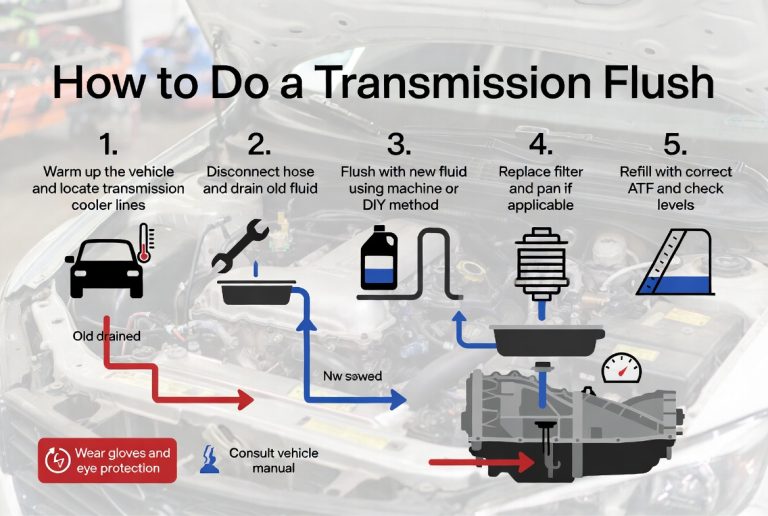
Flushing your power steering system regularly helps keep fluid clean and your rack and pinion happy.
Hard Impacts and Accidents
A crash or hard impact can damage the rack and pinion assembly. Even a bad pothole hit can bend the rack or break seals.
If you’ve been in an accident or hit something hard, have the steering system inspected. Damage might not be obvious right away. Small cracks in seals lead to big problems weeks or months later.
Poor Maintenance
Not changing your power steering fluid regularly speeds up wear and tear. Skipping power steering system checks means problems develop without you noticing.
Good maintenance prevents many problems. Bad maintenance makes problems worse and more expensive.
How to Check Your Rack and Pinion Yourself
You can do some basic checks without special tools.
Check Power Steering Fluid
Open your hood and find the power steering reservoir. Most cars have a clear or translucent container with minimum and maximum marks.
Look at the fluid level. Does it reach the maximum mark? If not, top it off with the right fluid type. Check your manual for what kind to use—not all power steering fluids are the same.
Check the fluid color too. It should be red or pink and clear. Dark, murky fluid or burnt-smelling fluid means it needs changing.
Park and Steer Test
With the car parked, turn the steering wheel all the way in both directions while listening closely. Turn it slowly and note any grinding or clunking.
Try turning the wheel with the engine off. It should feel firm but not impossible. With the engine on, it should feel light and easy.
Look for Leaks
Get down low and look under the front of your car, especially near the center. Shine a flashlight and look for wet spots or staining. Power steering fluid usually shows up as red or pink stains.
Run your finger across the stain to see if it’s fresh or old. Fresh leaks are wet. Old leaks are dried on. Fresh leaks mean active problems.
Feel for Play in the Wheel
While parked with the engine running, gently turn the steering wheel back and forth without turning the car. Feel how much slack there is before the wheels actually start to turn.
A quarter turn or half turn of slack is normal. More than that suggests wear.
When to See a Mechanic
Don’t try to ignore these problems. A failing rack and pinion only gets worse. The symptoms progress from annoying to dangerous.
See a mechanic when you notice any of these:
- Steering feels different or harder than normal
- You hear weird noises when turning
- You see fluid leaks
- The steering wheel has excessive play
- Power steering stops working
- Your car pulls to one side consistently
A qualified mechanic will do a full inspection. They’ll check fluid levels, look for leaks, and test how the steering responds. They might need to lift the car to inspect the rack and pinion assembly closely.
Don’t delay if you’re noticing symptoms. Steering problems affect your ability to control the car safely. This isn’t something to put off.
Replacement vs. Repair
When your rack and pinion fails, your mechanic might be able to repair it or might need to replace it completely.
Repairs
Small repairs cost less. If only seals are leaking, a mechanic might replace just the seal. If the power steering pump is the problem, replacing the pump might fix everything.
The key is catching problems early. Early repair costs less and saves you headaches.
Replacement
Sometimes the damage is too extensive for repair. The gears are too worn. The housing is cracked. In these cases, the entire rack and pinion assembly gets replaced.
A replacement is more expensive. But it gives you a brand new system that will work great for years. Some people get remanufactured racks and pinions, which cost less than new ones.
Your mechanic can tell you whether repair or replacement makes sense for your specific situation.
Cost of Repair and Replacement
This varies based on your car model and where you live. But here’s a rough idea.
Diagnosing the problem usually costs $100 to $200. This is money well spent because you need to know what’s actually wrong.
Repairs for small issues like seal replacement might run $300 to $800.
Complete rack and pinion replacement typically costs $800 to $2,500 for parts and labor. Luxury cars cost more. Common economy cars cost less.
These aren’t small repairs. They’re significant expenses. But they’re necessary to keep your car safe and drivable.
Prevention Tips
An ounce of prevention beats a pound of cure. Here’s how to keep your rack and pinion healthy.
Change Your Power Steering Fluid Regularly
Most mechanics recommend changing power steering fluid every 50,000 to 100,000 miles. Check your owner’s manual for your car’s specific schedule.
Fresh fluid keeps everything lubricated and protects internal parts. Don’t skip this maintenance.
Check Fluid Levels Often
Every month or so, pop the hood and check your power steering fluid level. If it’s low, top it off. If it’s constantly low, you have a leak that needs fixing.
Get Wheel Alignments
Misaligned wheels put extra stress on your steering system, including the rack and pinion. Getting wheel alignments every couple of years helps.
Drive Smoothly
Smooth driving puts less stress on your steering system. Avoid jerky movements and aggressive turns. This is especially true if your power steering is already getting worn.
Avoid Potholes When Possible
Hitting potholes hard can damage your steering system. Drive slowly over rough roads. Steer around obstacles when safe to do so.
Have Regular Inspections
Get your steering system inspected during routine maintenance. A good mechanic spots problems before they become big headaches.
Frequently Asked Questions
Can You Drive With a Bad Rack and Pinion?
Technically, yes. But you shouldn’t. A failing system gets worse fast. Your safety is at risk.
How Long Does a Rack and Pinion Last?
With good maintenance, most rack and pinion systems last the life of the car. Some might need seals replaced or fluid service. But they can easily last 200,000 miles or more.
Is Rack and Pinion Repair Worth It?
If repair is possible and costs less than replacement, it’s usually worth it. But if the damage is extensive, replacement might be the better long-term choice.
What’s the Difference Between Rack and Pinion and Power Steering?
Rack and pinion is the steering system. Power steering is the system that makes steering easier. You can have rack and pinion without power steering, though it’s rare now.
Final Thoughts
Your steering system is critical to safe driving. When your rack and pinion shows signs of trouble, don’t ignore it. Get it checked quickly.
Pay attention to how your car feels. Listen for strange sounds. Look for leaks. These early signs help you catch problems before they become expensive disasters.
Good maintenance prevents most problems. Regular fluid checks, timely fluid changes, and yearly inspections keep your rack and pinion healthy.
If you do notice problems, see a mechanic right away. A professional can tell you exactly what’s wrong and what needs fixing. They’ll keep you safe and get your steering back to feeling smooth and responsive.
Your car depends on this system to go where you want it to go. Keep it healthy, and it will keep you safe.

Peterson is an automotive enthusiast and auto parts reviewer with a passion for vehicle maintenance, upgrades, and performance. He enjoys researching and testing car parts, tools, and accessories to help drivers make informed buying decisions. Through AutoPartsTalk.com, Peterson shares honest reviews, practical maintenance tips, and expert guides to keep vehicles running safely and efficiently.