How to Fix P0700 Code?
Your check engine light just came on, and your mechanic tells you it’s a P0700 code. If you’re like most car owners, you’re probably wondering what that even means and how much it’s going to cost you. The good news? You’re not alone, and you can learn exactly what this transmission error code means and what to do about it.
What Does P0700 Actually Mean?
The P0700 code is one of the most common diagnostic trouble codes you’ll see on modern vehicles. P stands for “powertrain,” and the 0700 specifically tells you that your transmission control system has detected a malfunction. Think of it as your car’s way of saying something in the transmission area isn’t working quite right.
Your vehicle has a transmission control module (TCM), which is basically a computer that manages how your transmission shifts gears. When this module finds a problem, it triggers the check engine light and stores the P0700 code in your vehicle’s onboard diagnostic system. You can read this code using an OBD2 scanner, which you can pick up at any auto parts store.
The transmission control system includes lots of different parts and sensors. When any of these components fails or acts up, you get the P0700 trouble code. The tricky part is that this code doesn’t tell you exactly what’s broken—just that something in the transmission system isn’t right.
Why Your Car Is Showing This Code
Several different issues can trigger a P0700 transmission malfunction code. Understanding what causes this error helps you figure out your next steps.
Low Transmission Fluid
One of the most common culprits is transmission fluid that’s either low or dirty. Your transmission fluid keeps everything lubricated and helps your transmission shift smoothly. When the level drops or the fluid gets too dirty, the transmission control module detects problems and sets off the code.
Faulty Transmission Sensors
Your transmission has multiple sensors that send information to the TCM about what’s happening. These sensors check things like fluid temperature, speed, and pressure. If any sensor breaks or sends bad data, the transmission control module gets confused and triggers the P0700 code.
Solenoid Problems
Transmission solenoids are small valves that control the flow of transmission fluid. These components wear out over time or can get stuck. When a solenoid fails, the transmission can’t shift properly, and the code appears.
Wiring Issues
Sometimes the problem isn’t with the parts themselves but with the wires connecting them. Corroded, damaged, or loose wires prevent the transmission control module from talking to the transmission sensors and solenoids. This communication breakdown triggers the trouble code.
Transmission Control Module Failure
In some cases, the TCM itself goes bad. While this is less common, it does happen. A faulty transmission control module can’t read sensor data correctly or can’t send signals to the solenoids, resulting in a P0700 code.
Internal Transmission Damage
Sometimes the problem is inside your transmission itself. Worn gears, damaged bands, or internal seal failure can cause transmission fluid pressure issues that the system detects.
Signs Your Car Has a P0700 Code
Before you even get a chance to scan your vehicle, you might notice some symptoms that suggest a transmission trouble code.
Your check engine light will turn on. This is the first warning sign. The light might be solid, or it might blink. A blinking check engine light usually means something more urgent is happening, while a solid light can wait a bit longer to get checked.
Your transmission might not shift properly. You could feel the gears slipping, delays when accelerating, or rough shifts. The car might feel like it’s struggling to move forward smoothly. Some people describe it as the car feeling sluggish or not responding like normal when they press the gas pedal.
You might notice unusual noises coming from under the hood or from underneath your car. These sounds could be grinding, whining, or knocking noises.
The transmission might get too hot. Your dashboard might show a transmission temperature warning, or you might smell something burning.
Fuel economy could drop noticeably. When the transmission doesn’t work right, your engine has to work harder, which burns more gas.
In some vehicles, the transmission control system puts the car into “limp mode” to protect the engine. This means your car won’t shift out of a certain gear, and you can’t drive faster than a set speed.
How to Diagnose a P0700 Code
Before you panic or spend big money at the shop, try these diagnostic steps yourself.
Get an OBD2 Scanner
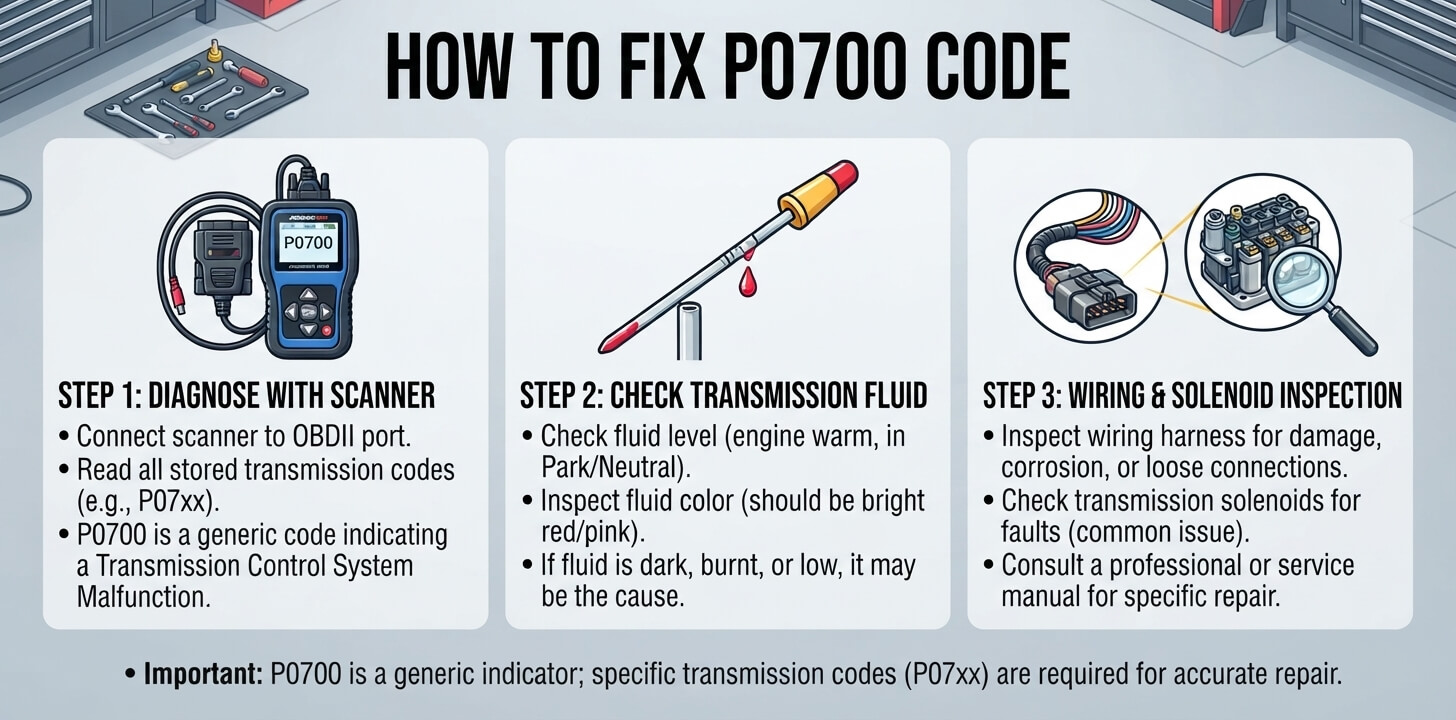
Run to your local auto parts store and buy or borrow an OBD2 scanner. This device plugs into your car’s diagnostic port, which is usually under the steering wheel on the driver’s side. The scanner reads all the trouble codes stored in your vehicle’s computer.
A basic OBD2 scanner costs around thirty to fifty dollars and lasts for years. Plug it in, turn your ignition to the “on” position without starting the engine, and follow the instructions to read your codes.
Check Your Transmission Fluid
Pop your hood and locate the transmission dipstick. It usually looks similar to an oil dipstick but is typically located toward the back of the engine. Pull it out and wipe it clean, then reinsert it fully and pull it out again to get an accurate reading.
Check the fluid level against the marks on the stick. The fluid should be a bright red or pink color. If it’s dark brown or smells burnt, you need a transmission fluid change. If the level is low, top it up and see if that helps.
Inspect Your Wiring
Open your hood and look at the wiring around your transmission. Check for any wires that look frayed, cracked, or loose. Look for corrosion on connectors, which appears as a white or greenish buildup. Gently wiggle connectors to make sure they’re seated tight.
Test Drive Your Vehicle
After checking things out, take your car for a test drive. Pay attention to how it shifts and whether you notice any unusual sensations or sounds. This helps you gather more information about the problem.
Fixing P0700: The Solutions
The fix depends on what’s actually causing the code. Here’s what you might need to do.
Top Off Your Transmission Fluid
If your fluid is low, add the correct type for your vehicle. Check your owner’s manual to find out which fluid specification your car needs. Add the fluid slowly and check the level with the dipstick as you go. You don’t want to overfill it.
Start your engine and let it idle for a few minutes, then check the level again. This simple fix solves the problem for many drivers.
Perform a Transmission Fluid and Filter Change
If your transmission fluid is old and dirty, getting it changed can solve the P0700 code. This job typically costs between one hundred and three hundred dollars, depending on your vehicle.
A transmission flush and fill removes all the old fluid and replaces it with fresh fluid. The technician also usually changes the transmission filter during this service. Fresh, clean fluid helps your transmission run smoothly and can clear codes caused by poor fluid condition.
Replace a Faulty Sensor
If a transmission sensor has gone bad, replacing it solves the problem. Sensor replacement costs vary widely depending on which sensor failed and your vehicle type. A single sensor might cost anywhere from one hundred to five hundred dollars, including labor.
Common transmission sensors include the input and output speed sensors, turbine speed sensor, and transmission fluid temperature sensor.
Fix Wiring Problems
If you find damaged wires, repair or replace them. A corroded connector can sometimes be cleaned and reconnected. For damaged wires, you might be able to do a temporary repair yourself using electrical tape and heat shrink tubing, though a proper repair from a technician is better.
Replace the Transmission Solenoid
Solenoids control how transmission fluid moves through your transmission. When one fails, replacing it can fix the P0700 code. Solenoid replacement typically costs between three hundred and seven hundred dollars, including parts and labor.
Reprogram or Replace the Transmission Control Module
If the TCM itself has gone bad, it needs replacement or reprogramming. This is an expensive fix, potentially costing over one thousand dollars. However, sometimes the TCM just needs to be reprogrammed, which costs much less.
Address Internal Transmission Issues
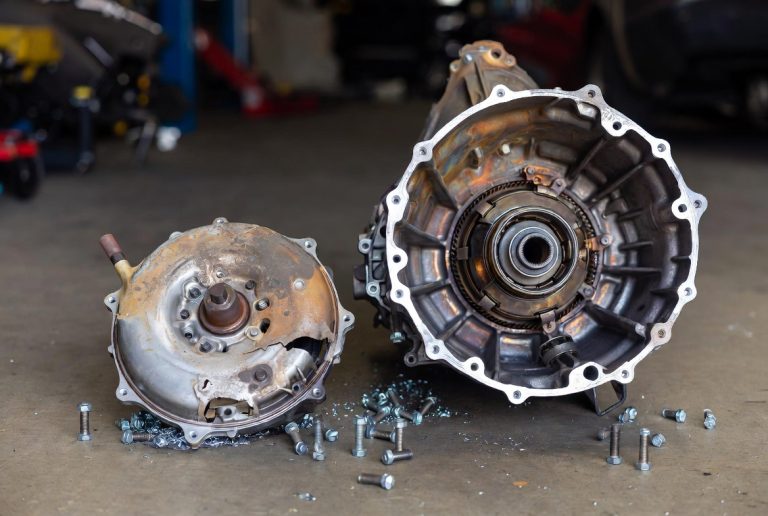
If something inside your transmission is damaged, you face more serious work. Small issues might be fixable with a partial rebuild, while major damage might require a complete transmission rebuild or replacement. These repairs are expensive, typically ranging from two thousand to five thousand dollars or more.
Can You Drive With This Code?
In most cases, yes, you can drive with a P0700 code. The car will probably still move forward and stop normally. However, you shouldn’t ignore it.
Driving with a transmission problem can make things worse. If you keep driving when the transmission isn’t working right, you risk causing additional damage that’s even more expensive to fix.
Pay attention to how your car feels. If you notice severe shaking, grinding sounds, or burning smells, pull over and get professional help immediately. These signs suggest something urgent is happening.
When to See a Professional
While some fixes are simple enough to tackle yourself, transmission work often requires professional help.
See a mechanic if your fluid was already at the proper level and the color looks normal. This suggests something more complex is wrong that needs diagnosis.
You should definitely visit a shop if you’re not comfortable working on cars. Transmission systems are complex, and mistakes can be costly.
Get help right away if you notice multiple codes beyond just P0700, if your transmission is making grinding or whining noises, or if you’re seeing signs of transmission fluid leaks.
A professional mechanic can run more advanced diagnostic tests, identify the exact problem, and fix it correctly.
Prevention Tips to Avoid P0700
Keep your transmission healthy so you never have to deal with this code.
Change Your Transmission Fluid Regularly
Most vehicles need transmission fluid changes every thirty thousand to sixty thousand miles, though some modern transmissions go longer. Check your owner’s manual for the recommended service interval. Fresh fluid keeps your transmission running smoothly and catches problems early.
Maintain Your Vehicle
Keep up with regular maintenance including engine tune-ups, filter changes, and battery service. A healthy engine keeps your transmission from working too hard.
Drive Carefully
Avoid aggressive accelerating, hard braking, and towing heavy loads if your vehicle isn’t designed for towing. Smooth driving habits reduce stress on your transmission.
Monitor Your Gauges
Pay attention to your vehicle’s temperature gauge and warning lights. If you see any unusual alerts, get them checked promptly.
Fix Problems Early
When you notice something feels off about how your transmission shifts, get it checked right away. Small problems caught early are much cheaper to fix than major damage.
The Bottom Line
The P0700 transmission control system malfunction code doesn’t have to be a nightmare. While it does mean something in your transmission system needs attention, the problem might be as simple as adding transmission fluid or as involved as replacing a sensor.
Start with an OBD2 scanner to confirm the code, then check your transmission fluid level and condition. If those are fine, get a professional diagnosis. A qualified mechanic can pinpoint the exact issue and explain your repair options.
Don’t delay getting this checked. Transmission problems get worse over time and more expensive to fix. A quick visit to a mechanic now can save you hundreds or even thousands of dollars down the road.
Your transmission is one of the most important systems in your vehicle. Taking care of it through regular maintenance and prompt repairs keeps your car running smoothly for years to come. When you see that P0700 code, take it seriously, follow these steps, and you’ll be back on the road quickly.