How to Fix Service Shifter Jeep Cherokee?
When that “Service Shifter” light pops up on your Jeep Cherokee’s dashboard, it can feel like the world is ending. But here’s the truth: you can fix many shifter problems yourself without spending a fortune at the dealership. This guide walks you through everything you need to know about service shifter issues and how to tackle them head-on.
What Does Service Shifter Mean?
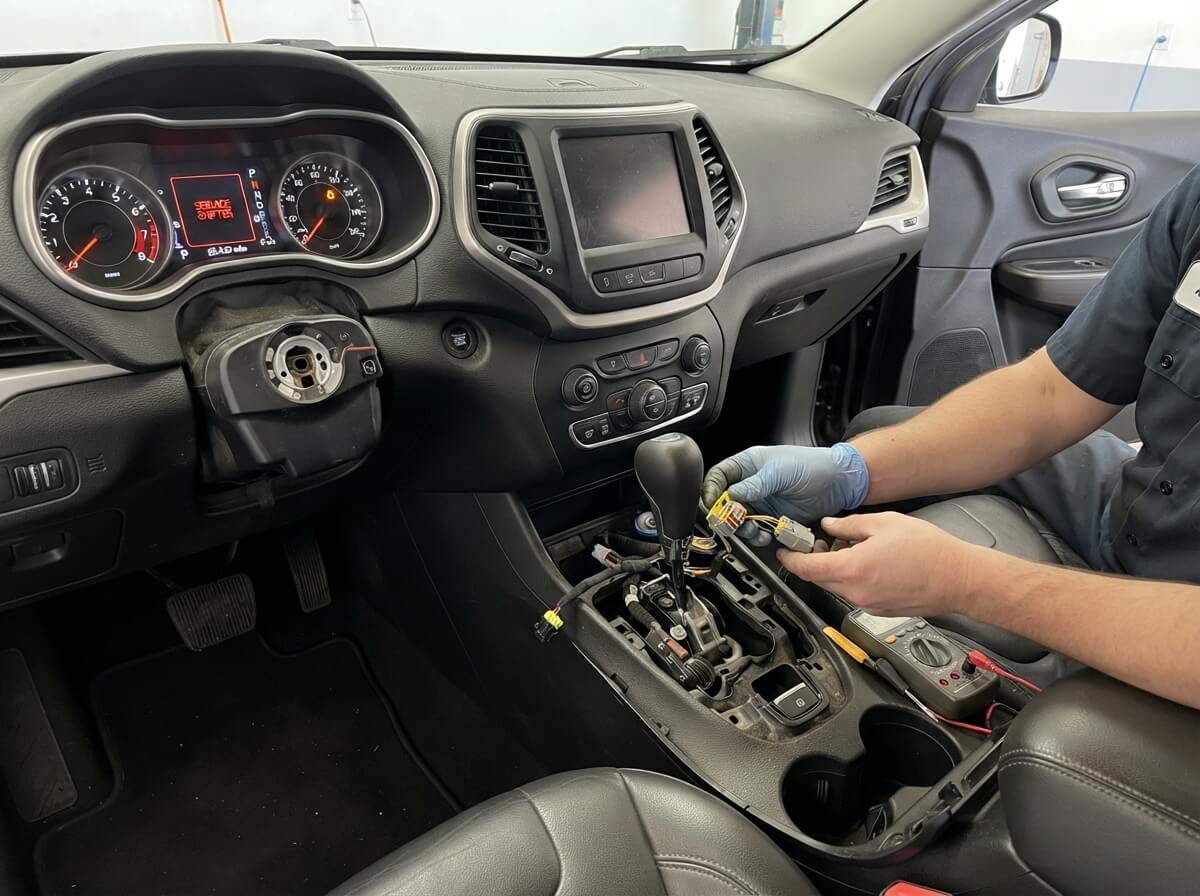
The service shifter warning means your Jeep detected a problem with your transmission shifter system. This isn’t always a total transmission failure. Sometimes it’s just a simple cable adjustment or a dirty sensor. Your vehicle’s computer picks up on the problem and tells you something needs attention.
The shifter on your Jeep Cherokee controls which gear your automatic transmission is in. When something goes wrong with this system, your vehicle alerts you. Ignoring this warning can lead to bigger problems down the road, so tackling it early makes sense.
Common Reasons Your Shifter Needs Service
Worn Shifter Cable
The most common culprit behind service shifter messages is a worn or frayed shifter cable. This cable connects your gear shift lever to your transmission. Over time, the cable gets loose or breaks down. When this happens, your shifter might feel sloppy or not click into gear properly.
You’ll notice this problem when shifting feels disconnected or when your transmission shifter doesn’t respond right away.
Dirty or Faulty Transmission Position Sensor
Your Jeep uses a transmission position sensor to track which gear you’re in. When this sensor gets dirty or stops working, your vehicle throws the service shifter light. A faulty transmission position sensor is one of the easiest fixes because you just need to clean it or swap it out.
The transmission range sensor sits on your transmission and tells your engine computer what gear you’re in. Dirt, corrosion, or electrical issues can mess this up.
Low Transmission Fluid
Your automatic transmission needs proper fluid levels to work right. Low transmission fluid can cause shifting problems and trigger warning lights. This is the easiest issue to check first because it takes only minutes.
Check your transmission fluid the same way you check engine oil. Low levels might just need a top-off. Dirty or burnt-smelling fluid means your transmission has bigger issues.
Worn Shifter Linkage
The shifter linkage connects your shift lever to your transmission. Worn bushings, loose bolts, or bent rods in this linkage cause shifting issues. When the linkage gets loose, your transmission might not engage gears properly.
Tools You’ll Need to Fix Your Shifter
Before you start any repair work, grab these tools:
- Jack and jack stands
- Socket set and wrenches
- Screwdrivers (both Phillips and flathead)
- Pliers
- Clean rags
- Brake cleaner or contact cleaner
- Flashlight
- Multimeter for testing sensors
- New shifter cable or fluid (if needed)
- Safety glasses and gloves
Having the right tools makes the job easier and safer. Most of these items sit in a basic toolbox already.
Step-by-Step: How to Fix Common Shifter Problems
Check and Top Off Transmission Fluid
Start here. This takes ten minutes and might solve your problem.
First, warm up your Jeep by running it for a few minutes. Turn off the engine and wait five minutes. Pop the hood and find your transmission fluid dipstick. It usually has a red or yellow handle near the engine.
Pull the dipstick straight up. Wipe it clean with a rag. Push it back in all the way. Pull it out again and check the level. The fluid should hit the full mark on the stick.
If it’s low, buy transmission fluid that matches your vehicle’s specs. Add it slowly through the dipstick tube. Check again after adding a little bit. You don’t want to overfill it. Put the dipstick back when you reach the proper level.
If your fluid looks dark, burnt, or smells bad, you need a transmission fluid change. This is a bigger job, but still doable at home.
Clean the Transmission Position Sensor
A dirty transmission position sensor often triggers the service shifter warning. This fix takes about thirty minutes.
Get under your Jeep safely using jack stands. Find your transmission position sensor on top of the transmission case. It has an electrical connector plugged into it.
Unplug the connector by pressing the release clip and pulling it straight out. Remove the bolt holding the sensor in place. Pull the sensor out gently.
Use brake cleaner and a clean rag to wipe the sensor head. Don’t use water or anything harsh. Just gentle cleaning with appropriate cleaner. Make sure the connector is clean too.
Reinstall the sensor by reversing the steps. Plug the connector back in until you hear a click. Start your Jeep and see if the light goes away.
Adjust or Replace the Shifter Cable
A loose shifter cable creates that sloppy feeling when you shift. You might also notice the transmission doesn’t engage properly when you move the gear stick.
Locate the shifter cable that runs from your shifter lever down to the transmission. It attaches to the transmission lever with a clevis pin or bolt. You’ll find this connection near the transmission pan.
Check if the cable is loose at this connection point. Sometimes just tightening the bolt fixes everything. Use the right size wrench to snug it up. Don’t over-tighten or you’ll break it.
If the cable has visible cracks, fraying, or damage, you need a replacement. Unbolt the old cable at both ends. Route the new one the same way the old one went. Bolt it in place and make sure it moves smoothly through its housing.
After any cable work, test all your gears. Make sure your shifter clicks into each position with a solid feel.
Inspect and Tighten Shifter Linkage
Check all the bolts and connections on your shifter linkage. Get under the Jeep and inspect the rods and bushings connecting your shift lever to the transmission.
Look for bent rods, cracked bushings, or loose bolts. Tighten any loose fasteners with the right size wrench. If you find cracks or severe damage, you’ll need to replace that part.
Move your shift lever through all gears while watching the transmission lever. They should move together smoothly. If they don’t move in sync, something is bent or broken.
Testing Your Shifter After Repairs
Once you complete any repair work, test everything thoroughly before driving far.
Start your engine and let it idle. Move the shifter through all gears slowly. You should feel a solid click in each position. The shifter shouldn’t feel loose or delayed.
Test your brakes and make sure the transmission shift lock works. This safety feature prevents you from shifting out of park without stepping on the brake.
Drive slowly in a safe area. Try shifting at low speeds. Make sure the transmission engages smoothly in each gear. There shouldn’t be any weird grinding sounds or hesitation.
If the service shifter light is still on, you might need to clear the diagnostic code. Disconnect your negative battery terminal for ten minutes. This resets your vehicle’s computer. Reconnect it and start your engine.
The light might come back if the problem isn’t fully fixed. Keep it off for at least twenty minutes of driving before deciding the repair worked.
When to Call a Professional
Some shifter problems need professional help. Know when to call it quits and bring your Jeep to a shop.
If your transmission is slipping or shifting hard, that’s inside your transmission. You need a professional for internal transmission work. If your shifter stays stuck in one gear, or if you hear grinding sounds, don’t drive it to the shop. Get it towed instead.
If you tried these fixes and the light came back, a mechanic can run full diagnostics with a computer scanner. They can identify codes that might not be obvious.
If you’re not comfortable getting under your vehicle or working with electrical connections, that’s okay. Some people prefer letting shops handle it. There’s no shame in that.
Preventive Maintenance for Your Shifter
Keep your shifter working smoothly by doing simple maintenance.
Check your transmission fluid every month. Make it part of your routine vehicle checks. Top it off if it’s low. Change it according to your owner’s manual recommendations.
Keep your shifter linkage clean and dry. Spray it with light oil occasionally to prevent rust. Make sure water doesn’t collect in the shifter cable housing.
Avoid jerking your shifter or shifting hard between gears. Treat your transmission with respect and it’ll last longer. Smooth, deliberate shifts are always better than aggressive ones.
Drive smoothly and let your transmission do its job. Quick acceleration and hard braking put extra stress on your shifter system.
Understanding Your Transmission System Better
Your Jeep Cherokee’s automatic transmission needs several systems to work together. The shifter is just one part of this bigger picture.
The transmission control module is a computer that manages when your transmission shifts. It talks to multiple sensors, including your transmission position sensor and throttle position sensor. When any of these components fail, your vehicle might throw warning lights.
Your transmission fluid carries information and pressure throughout the system. It cools, lubricates, and powers your transmission. When fluid gets old or dirty, the entire system struggles. Fresh fluid keeps everything running smooth.
The torque converter links your engine to your transmission. It lets your engine run while your transmission is in park. If this fails, you’ll have bigger transmission problems.
Money-Saving Tips for Shifter Repairs
DIY repairs save you hundreds of dollars compared to dealership prices. A transmission position sensor costs twenty to fifty dollars in parts but might cost two hundred dollars at a shop with labor.
Shifter cable replacements run fifty to one hundred dollars in parts. A shop might charge four hundred dollars total. That’s a huge difference for a job you can handle yourself.
Buy parts from reputable suppliers. Factory parts cost more but fit perfectly. Aftermarket parts save money and usually work fine. Just avoid the cheapest options that might fail quickly.
Compare fluid prices. Transmission fluid isn’t expensive, but buying it at a dealership costs way more than a regular auto parts store.
Driving with a Service Shifter Warning
Never ignore a service shifter warning for extended periods. The longer you drive with this problem, the more damage might happen.
In some cases, you might lose the ability to shift between gears. Your transmission could go into limp mode, limiting you to one gear. This makes your vehicle nearly undriveable.
If you can’t fix your shifter immediately, drive slowly and carefully. Avoid highway driving. Get it repaired as soon as possible.
The Bottom Line
A service shifter warning doesn’t mean your Jeep is done. Most shifter problems are fixable with basic tools and patience. Start with the simplest fixes like checking fluid levels and cleaning sensors. Work your way up to cable and linkage repairs.
Test your work carefully before trusting your Jeep on the road. If you get stuck or feel uncomfortable, bring it to a professional. But don’t automatically assume you need expensive repairs.
Your Jeep Cherokee can run reliably for years when you maintain it properly. Keep your shifter system clean and adjusted, and it’ll serve you well. Handle these repairs now and you’ll avoid bigger transmission problems that cost thousands of dollars.
Take your time with these repairs. Rush jobs often lead to mistakes that cause more problems. Give yourself permission to take breaks and come back to it. Your Jeep will thank you, and your wallet will definitely thank you.
Happy wrenching, and enjoy your smoothly shifting Jeep Cherokee.