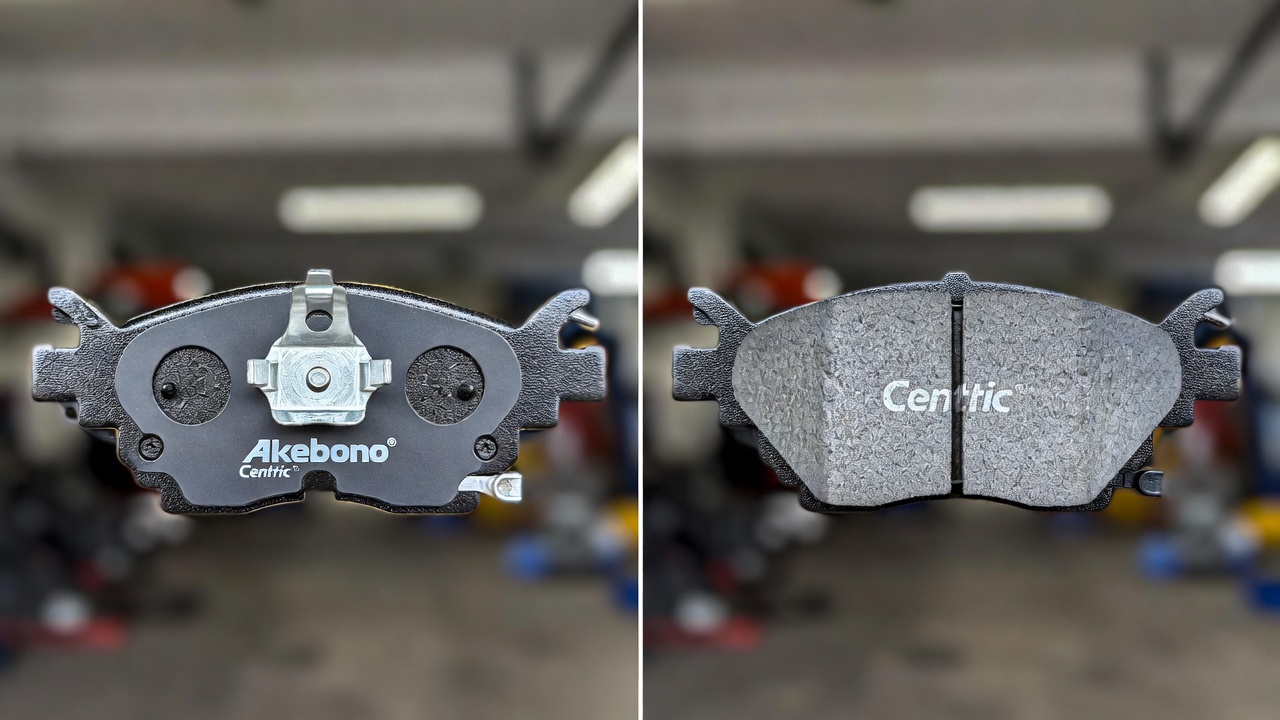
Brake Pads Akebono vs Centric
So you need new brake pads. You did a little searching and now two names keep showing up — Akebono and Centric. Both sound solid. Both have good reviews. But they are very different products built for very different drivers.
This guide breaks it all down in plain English. No fancy jargon. No confusing specs. Just honest, real-world info so you can make a smart call without spending hours on forums.
Let’s get into it.
What Are Brake Pads and Why Do They Matter?
Before we compare these two brands, let’s do a quick refresher.
Brake pads are the friction material that presses against your brake rotor. When you step on the brake pedal, the pads clamp down and slow the car. That friction creates heat. That heat creates wear. Over time, the pads wear down and need to be replaced.
Bad brake pads mean longer stopping distances. That’s dangerous. Good brake pads mean your car stops when you tell it to. Simple as that.
The material inside the pad matters a lot. It controls how well the pad grips the rotor, how much dust it produces, how loud it is, and how long it lasts. This is where Akebono and Centric take very different paths.
Who Is Akebono?
Akebono is a Japanese company. They have been making brake parts for a very long time. You will find their pads as original equipment on many Japanese and American vehicles straight from the factory. Honda, Toyota, Lexus, Acura — many of these cars come with Akebono pads from the factory floor.
That alone says something. When a car brand trusts a supplier with their new vehicles, that supplier has to meet very strict quality standards.
Akebono is best known for their ceramic brake pad formula. Their ceramic pads use a blend of ceramic fibers, filler materials, and bonding agents. The result is a pad that runs clean, quiet, and smooth.
They have two main product lines most people look at:
- Akebono ProACT Ultra-Premium — their most popular street pad
- Akebono Performance — aimed at drivers who push their cars a little harder
Who Is Centric?
Centric is an American brand. They are part of the Centric Parts family, which also includes the StopTech brand. StopTech is a well-known name in the performance braking world, so Centric has that connection going for them.
Centric makes a wide range of brake products — pads, rotors, calipers, and more. Their goal is to give everyday drivers quality replacement parts at a fair price.
Their brake pad lineup is pretty broad. Some popular lines include:
- Centric Posi Quiet — their go-to ceramic pad for daily driving
- Centric Premium — a budget-friendly semi-metallic option
- Centric Brake Parts C-TEK — a value line for basic commuter use
Centric focuses on being an accessible, reliable choice. They want to cover as many vehicles as possible with solid, affordable parts.
Brake Pad Materials: Ceramic vs Semi-Metallic
This is one of the biggest differences between these two brands. Let’s look at the two main materials you’ll encounter.
Ceramic Brake Pads
Ceramic pads are made with ceramic fibers mixed with other materials. They are known for being:
- Quiet — very low noise during braking
- Clean — they produce less brake dust, so your wheels stay cleaner
- Smooth — they give a consistent, even pedal feel
- Gentle on rotors — ceramic tends to be less abrasive than metal
The downside? Ceramic pads can sometimes feel less grabby at very high temperatures. They are ideal for normal street driving. They are not the best pick for track days or very aggressive driving.
Both Akebono and Centric offer ceramic pads. But Akebono has made ceramic their signature formula for a long time.
Semi-Metallic Brake Pads
Semi-metallic pads use metal shavings mixed with organic materials and binding agents. They are known for:
- Strong bite — great initial grabbing power
- Heat handling — they deal better with high heat situations
- Durability — they can last a long time under heavy use
The downside? They tend to be noisier. They produce more dust. And they can be harder on rotors over time.
Centric has semi-metallic options in their lineup. This gives them a broader reach for drivers who need more stopping power.
Akebono vs Centric: Head-to-Head Comparison
Now let’s stack these two brands side by side on the things that actually matter to you as a driver.
1. Stopping Power
Both brands stop your car effectively for normal street driving. That said, there are differences in feel.
Akebono pads tend to have a softer, progressive bite. The pedal feel is smooth. The car slows down gradually. This is very comfortable for everyday driving. You don’t get that jarring, grabby feeling when you tap the brakes in traffic.
Centric Posi Quiet pads feel similar — smooth and predictable. But Centric’s semi-metallic lines, like their Premium pads, offer a stronger initial bite. If you drive a heavier vehicle or tow occasionally, that extra grab can feel reassuring.
For pure street driving, both are excellent. For heavier loads or spirited driving, Centric’s semi-metallic options have an edge.
2. Noise and Vibration
This is where Akebono really shines.
Akebono is famous for quiet operation. Their ceramic formula is specifically designed to reduce noise. Brake squeal and vibration are minimal. Many drivers who switch to Akebono say their brakes feel noticeably quieter than before.
Centric Posi Quiet is also quiet — the name says it all. But some drivers report slightly more noise compared to Akebono, especially during the first few hundred miles. Centric’s semi-metallic pads are louder, which is expected with that material type.
Winner for noise: Akebono, by a small margin.
3. Brake Dust
Brake dust is that dark, greasy film that builds up on your wheels. It looks bad and it’s a pain to clean.
Akebono ceramic pads produce very little brake dust. Your wheels stay cleaner, and you spend less time scrubbing them. This is a big plus for anyone who cares about how their car looks.
Centric Posi Quiet also produces low dust, being ceramic. Their semi-metallic lines produce more dust, though, which is typical for that material.
Winner for clean wheels: Akebono and Centric Posi Quiet are close. Semi-metallic Centric pads lose here.
4. Rotor Wear
Your brake pads and rotors work together. A harder, more abrasive pad will wear down your rotors faster.
Akebono ceramic pads are gentle on rotors. This means your rotors last longer. You save money in the long run because you replace rotors less often.
Centric ceramic pads are also rotor-friendly. Their semi-metallic pads are slightly more abrasive, which is normal for the material. If you already have worn rotors, starting with a ceramic pad makes sense.
Winner for rotor life: Both ceramic options are similar. Akebono has a slight edge.
5. Heat Performance
This is where things get interesting for drivers who push their cars.
Akebono ceramic pads are great for normal driving temps. If you drive in stop-and-go traffic, they handle heat very well. But if you take your car to a track or do heavy mountain driving with long downhill braking, ceramic pads can fade faster than metallic.
Centric semi-metallic pads handle high heat better. If you drive a truck, do a lot of towing, or live somewhere with big hills, the semi-metallic formula holds up under sustained heat loads.
Winner for heat: Centric semi-metallic pads for demanding conditions.
6. Break-In Period
New brake pads need a break-in period. This is when the pad material deposits a thin layer onto the rotor surface. Until that happens, braking performance is not at its best.
Akebono pads have a short, easy break-in. Most drivers are comfortable with their brakes within the first 200–300 miles.
Centric pads are similar. Some drivers note that Centric pads feel a little rough or noisy for the first couple of weeks. This typically goes away after the pads seat properly.
Both are comparable here. Just follow the break-in procedure of light, gradual stops to get the pads seated right.
7. Price
Let’s talk money.
Akebono pads sit in the mid to upper-mid range. You will pay more than a budget pad but less than a premium performance pad. Expect to pay somewhere around $40–$80 for a set depending on your vehicle.
Centric pads are more affordable. Their entry-level lines are budget-friendly. Even their Posi Quiet ceramic pads are typically priced at $30–$60 for a set. This makes Centric a popular choice for people who want quality without breaking the bank.
Winner for price: Centric, especially their entry to mid-tier lines.
8. Vehicle Coverage
Centric covers a huge number of vehicles. Their catalog is massive. They aim to have a pad for nearly every make and model on the road. If you drive something unusual or an older vehicle, Centric is more likely to have a direct fit option.
Akebono also has wide coverage, but they focus more on Asian nameplates and popular American vehicles. If you drive a Honda, Toyota, Lexus, Acura, or certain Ford and GM models, Akebono likely has an excellent fit for you.
Winner for vehicle range: Centric, slightly.
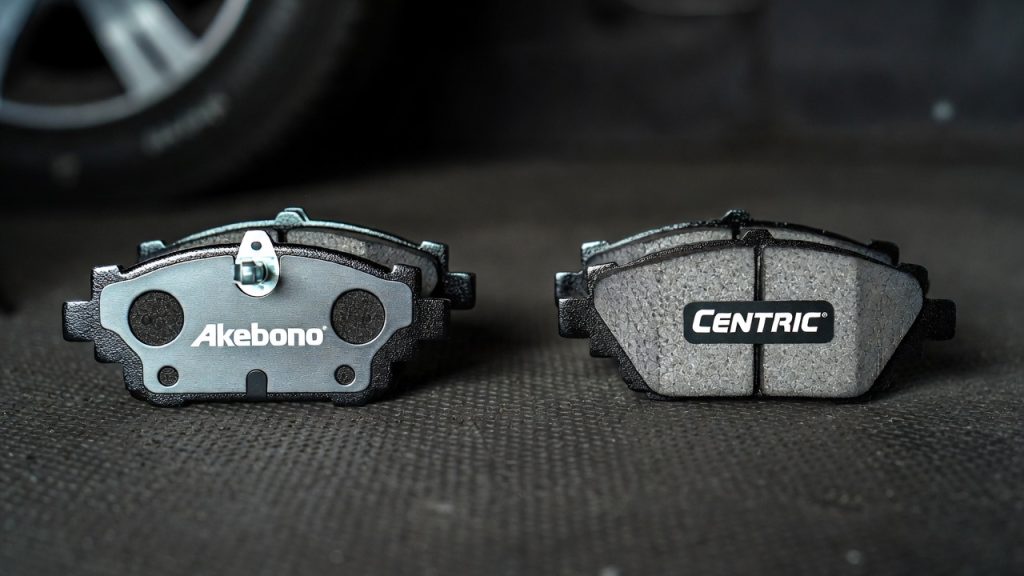
Which Driver Is Akebono Best For?
Akebono makes the most sense if:
- You drive a Japanese or Korean vehicle (Honda, Toyota, Hyundai, Subaru, etc.)
- You care about quiet braking and clean wheels
- You do mostly city and highway driving
- You want OEM-quality performance in an aftermarket pad
- You don’t mind paying a bit more for a premium feel
- Noise and vibration bother you
Akebono is the brand to beat for smooth, quiet, clean daily driving. It is the pad you put on and forget about.
Which Driver Is Centric Best For?
Centric makes the most sense if:
- You want a budget-friendly option without sacrificing too much quality
- You drive a truck, SUV, or van that handles heavy loads
- You do occasional towing and need strong bite
- You drive on steep terrain with long downhill sections
- Your vehicle isn’t well-covered by Akebono
- You want a wide product selection across price points
Centric’s Posi Quiet is a strong daily driver pad at a lower price. Their semi-metallic lines cover the gap for performance needs.
Common Questions About These Brake Pads
Can I mix Akebono and Centric pads?
Technically yes, but it is not recommended. Front and rear pads should match in type. Mixing ceramic and semi-metallic can create uneven braking balance. Stick with one brand and one type on an axle.
How long do Akebono pads last?
Akebono pads typically last anywhere from 30,000 to 70,000 miles. It depends on your driving style, vehicle weight, and traffic conditions. City driving wears pads faster than highway driving.
How long do Centric pads last?
Centric pads vary by product line. Their ceramic pads typically last 30,000 to 60,000 miles. Semi-metallic pads can last longer under the right conditions, especially on trucks.
Are Akebono pads worth the extra cost?
For most everyday drivers with Japanese or American cars, yes. The quieter operation and low dust make the slight price premium worth it. You also get the peace of mind of OEM-quality fitment.
Do I need to replace rotors with brake pads?
Not always. If your rotors are still within spec (not too thin, no deep grooves or cracks), you can put new pads on old rotors. But if the rotors are worn, warped, or deeply scored, replace them at the same time. Skipping this can cause brake noise and uneven wear on your new pads.
What is the best pad for a Toyota Camry or Honda Accord?
Both of these are extremely common vehicles. Akebono makes excellent OEM-equivalent pads for these cars since they supply pads to the factories directly. Centric Posi Quiet is also a strong choice at a lower price.
A Quick Look at Other Brake Pad Brands
It helps to know where Akebono and Centric sit in the bigger market. Here are a few other names you might see:
- Wagner — popular budget to mid-range brand, widely available at auto parts stores
- Bosch — strong German engineering background, good OEM replacement pads
- EBC — known for performance-focused pads, popular with enthusiasts
- Hawk Performance — high-performance street and track pads
- Power Stop — often sold as a kit with rotors and hardware included
- ACDelco — GM’s OEM supplier, great for GM vehicles specifically
Akebono sits in the premium OEM replacement category. Centric sits in the value to mid-range category with some overlap into performance territory via StopTech.
Tips for Getting the Most Out of Your Brake Pads
No matter which brand you pick, good habits extend the life of your pads and rotors.
Do a proper bed-in. After installing new pads, do 10 to 15 moderate stops from around 30 mph without coming to a complete stop. Let the brakes cool between stops. This transfers a thin layer of pad material onto the rotor evenly.
Avoid hard stops when pads are cold. Cold brakes are not at full performance. Give the car a mile or two before any aggressive stops.
Don’t ride the brakes downhill. Use engine braking on steep descents. Riding the brakes builds excessive heat and fades the pads.
Check pads regularly. Many pads have a wear indicator that squeals when the pad is getting thin. Don’t ignore that sound. Worn pads can damage rotors quickly.
Use brake cleaner after install. Spray brake cleaner on the rotors after putting in new pads. This removes any oils from fingerprints or packaging that can cause noise or uneven break-in.
Final Verdict: Akebono or Centric?
Here’s the honest answer — it depends on what you need.
Go with Akebono if you want the quietest, cleanest, smoothest braking experience for daily driving. It is the top pick for owners of Japanese vehicles and anyone who hates squeaky brakes. You pay a little more, but the quality difference is real.
Go with Centric if you want solid, reliable braking at a lower price. Their Posi Quiet ceramic pads are great daily drivers. Their semi-metallic lines fill the gap for heavier vehicles or more demanding conditions. Centric gives you more for your budget.
Both brands beat cheap, no-name brake pads by a wide margin. Either one will serve you well if matched to your driving style and vehicle.
The bottom line is this: your brakes are not the place to cut corners. They are the one safety system on your car that you use every single day. Spending a little more on a quality pad — from either of these brands — is money well spent.
Pick the right pad for your needs, install it correctly, break it in properly, and your brakes will reward you with years of safe, quiet, reliable stopping power.
Related search terms: best brake pads for daily driving, ceramic vs semi-metallic brake pads, Akebono ProACT review, Centric Posi Quiet review, brake pad replacement guide, OEM brake pads aftermarket, low dust brake pads, quiet brake pads, how long do brake pads last, brake rotor compatibility