How to Clean Alcantara?
Alcantara is a beautiful luxury fabric that feels amazing under your fingers. It’s soft, elegant, and looks premium in any space. But here’s the thing—it gets dirty just like any other material. The good news? Cleaning it isn’t as hard as you might think.
If you’ve been worried about cleaning your alcantara items, you’ve come to the right place. This guide breaks down everything you need to know about caring for this delicate fabric. We’ll walk you through the best methods, the tools you’ll actually use, and the mistakes you need to avoid.
What Is Alcantara, Anyway?
Before we jump into cleaning, let’s talk about what alcantara really is. This synthetic suede material gets made from polyester and polyurethane. It was invented in Italy and has become super popular in luxury cars, designer bags, furniture, and home decor.
The reason people love alcantara is obvious. It feels buttery smooth. It has a rich, velvety texture that looks expensive. It’s also durable compared to genuine suede, which makes it a smart choice for items that get used every day.
But here’s where cleaning comes in. Because alcantara feels so soft and looks so nice, people worry about messing it up. They’re scared to clean it. They think one wrong move will ruin it forever. That’s not true. You just need the right approach.
Why Alcantara Gets Dirty
Alcantara attracts dirt like a magnet. The texture of the fabric pulls in dust, skin oils, and other particles from the air. Spills are another big problem. Coffee, wine, ink, and grease all soak into the fibers pretty quickly.
You’ll notice stains on alcantara fast. They show up dark against the light surface. This is actually good news—it means you’ll catch spills before they set in permanently. And the sooner you clean a stain, the easier it comes out.
The fabric also gets worn spots over time. Your steering wheel gets shiny. Your sofa gets darker in the spots where you sit. This is normal aging, but you can slow it down with proper care.
Tools You’ll Need for Cleaning Alcantara
Let’s be real—you don’t need fancy equipment. You probably have most of what you need already.
The Brush
A soft-bristled brush is your best friend for alcantara. Look for a brush made specifically for suede or microfiber. The bristles should be gentle, not stiff. You can find these at any car supply store or online. Some people swear by old toothbrushes, but a real suede brush works better. It costs less than ten dollars and lasts forever.
A quick pro tip: Brush in one direction only. Brush along the grain of the fabric. This keeps the texture looking right.
The Vacuum
A hand-held vacuum with a soft attachment works great for alcantara. You’re not trying to rip the fibers out—just suck up loose dirt and dust. Regular household vacuums are too strong. Stick with gentle options made for upholstery.
Cleaning Solutions
You’ve got a few choices here. Some people use mild soap and water. Others prefer specialized alcantara cleaners. A few even use white vinegar mixed with water. Each option works for different types of stains.
For a safe, basic solution, mix a tiny bit of dish soap with warm water. Use very little soap. You just want the water to be slightly soapy, not bubbly. Too much soap leaves residue that’s hard to rinse out.
Cloths and Towels
Grab some microfiber cloths or soft cotton cloths. Avoid paper towels—they shed and can scratch. Get a few cloths so you have clean ones to work with.
You’ll also need some dry towels for blotting. Keep these separate from your wet cloths.
A Spray Bottle
Fill it with water or your cleaning solution. A spray bottle lets you control how much liquid you use. Too much liquid causes damage. A spray bottle helps you use just the right amount.
Dry Cleaning Methods for Alcantara
Some stains and dirt come off without any water at all. These methods are the safest for your fabric.
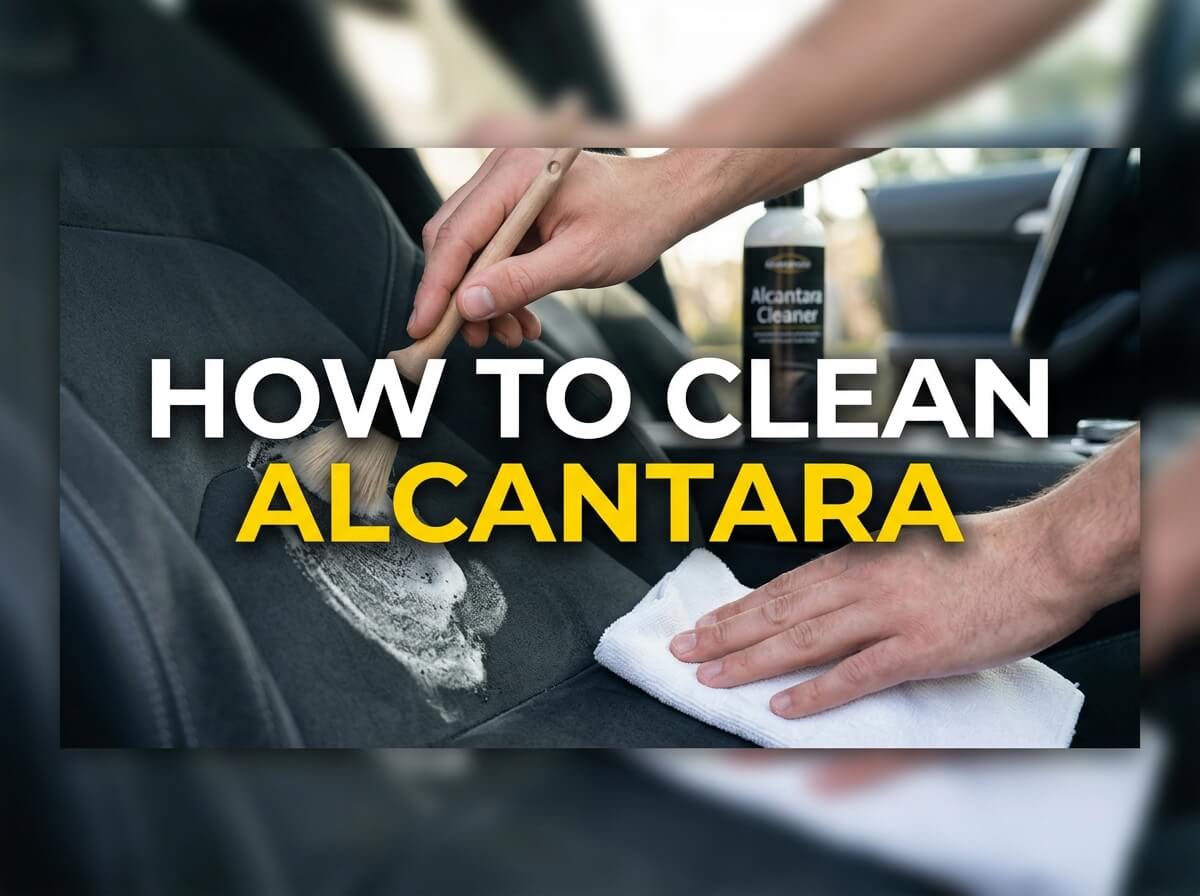
Brushing Away Surface Dirt
Start here. This is the easiest step and it works for most daily dust.
Take your soft brush and gently work it over the alcantara. Don’t press hard. Let the bristles do the work. Brush in one direction, following the grain of the fabric. One section at a time.
This brings up the nap of the fabric. It also loosens surface dirt. You’ll see little dust particles float away. Keep brushing until the fabric looks cleaner.
Brush the entire item if it’s small, or just the dirty parts if it’s large. A car steering wheel might only need a minute. A whole sofa might take ten minutes.
After brushing, use your hand-held vacuum to suck up all the loose dirt. Use a soft attachment and move slowly. Don’t dig into the fabric. Just skim the surface.
This combo—brushing plus vacuuming—handles about half of all alcantara cleaning jobs. Seriously. If your item just has dust and general grime, you’re done.
Using Erasers for Marks and Scuffs
This method sounds weird, but it works. A soft pencil eraser or a special suede eraser can lift light marks right off.
Test it on a hidden spot first. Then gently rub the eraser over the mark. Use light pressure. Don’t scrub hard. The goal is to lift the mark, not to sand the fabric away.
This works great for ink marks, light scuffs, and marks where something rubbed against the fabric. It won’t work for deep stains or spills, but for surface marks it’s fantastic.
You can buy special suede erasers online, or just use a regular pencil eraser. Both work. The suede eraser is slightly better because it’s made for delicate fabrics.
Wet Cleaning Methods for Alcantara
When dry methods don’t cut it, it’s time to use water. Take your time with these methods. Wet cleaning requires patience, but it really works.
The Basic Soap and Water Method
This is your go-to for most stains. Here’s exactly how to do it.
First, spray your alcantara lightly with water. Not soaking wet. Just a light mist. Let it sit for a minute. This helps the fabric accept the water better.
Mix your cleaning solution. Grab a cup of warm water and add just a tiny drop of dish soap. Stir it gently. The water should look almost clear—just a hint of soap. Too much soap is a common mistake.
Dip your microfiber cloth into the solution. Wring it out so it’s damp, not dripping. You want the cloth to be wet enough to clean but not so wet that water runs out.
Now gently rub the stain. Move in circles. Use light pressure. The soap will lift the stain out of the fabric. Keep working at it until the stain looks lighter.
Rinse the cloth with clean water and wring it out. Wipe the area you just cleaned to remove soap residue. This step matters. Soap left in the fabric looks worse than the original stain.
Do this rinsing step at least twice. Keep wiping until the cloth comes away clean with no soapy smell.
Now blot the area dry with a clean, dry towel. Press down gently. Don’t rub. Just blot. This soaks up extra water.
Let the area air dry. Open windows or turn on a fan. Don’t use heat like hair dryers. Heat damages alcantara.
Spot Cleaning Tough Stains
Some stains need a bit more work. Coffee, wine, and greasy food are stubborn.
Use the same soap and water method, but let the solution sit on the stain for a few minutes. This gives it time to break down the stain. Then work it gently with your brush. The soft bristles help loosen the stain without damaging fibers.
For really tough stains, you can make a slightly stronger solution. Use a tiny bit more soap, but still keep it very weak. You’re not making dish water here.
Let the solution sit for five minutes. Then gently brush in circles. Work from the outside of the stain toward the center. This keeps you from spreading the stain.
After brushing, rinse and blot just like before. This might take a few passes, but patience pays off.
Using White Vinegar for Tough Jobs
White vinegar is a natural cleaner that works great for alcantara. It cuts through grease and breaks down stubborn stains without harsh chemicals.
Mix one part white vinegar with three parts water. The smell is strong, but it goes away as the fabric dries.
Spray this mixture lightly on the stain. Let it sit for a minute or two. Then gently rub with your cloth. The vinegar solution lifts the stain out.
Rinse with clean water at least three times. Vinegar residue can make the fabric smell, so don’t skip the rinsing. Blot dry with your towel.
This method works especially well for grease marks and oil stains. It’s also great for dark stains that won’t come out with just soap and water.
Dealing with Different Types of Stains
Different stains need different tactics. Here’s how to handle the common ones.
Oil and Grease Stains
These look dark and feel slick. Don’t panic. Grease comes out easier than you’d think.
First, let any fresh oil dry completely. Seriously. Don’t wipe it right away. Wait a few hours or even overnight. This sounds backward, but dried oil is easier to remove.
Once it’s dry, brush gently to loosen it. Then use a slightly stronger soap solution. The soap cuts through the grease.
If the oil already dried in before you noticed it, mix a tiny bit of rubbing alcohol with water. This breaks down the oil really well. Use it like you’d use the soap solution—spray, let sit, gently rub, rinse, blot.
Alcohol evaporates fast, so you don’t need as much rinsing. But still rinse at least twice to be safe.
Coffee and Tea Stains
Brown stains from hot drinks come out pretty easily if you catch them early.
Blot the spill with a dry cloth immediately. Don’t let it soak in. This removes most of the liquid right away.
Then use your soap and water method. Coffee dissolves easily in water, so you don’t need anything stronger. Gently rub the stain with your damp cloth.
If the stain has been there a while, let your solution sit on it for five minutes before rubbing. This gives it time to break down.
Most coffee stains come out in two or three passes. Rinse and blot, then check. If the stain is gone, you’re done. If it’s still there, repeat.
Red Wine and Juice Stains
These are scary because they look serious. But they come out with the right method.
Blot the spill immediately. Press a dry cloth on it to soak up as much as you can. Don’t rub. Just press and hold.
Mix baking soda with a tiny bit of water to make a paste. Spread this paste gently on the stain. Let it sit for ten minutes. The baking soda absorbs the stain.
Brush away the dried paste gently. Then use your soap and water method to clean up any residue.
This two-step method works because baking soda pulls the color out while the soap removes what’s left. Combined, they handle even dark red stains.
Ink Marks
Ink can look permanent, but don’t give up. An eraser is your first tool here.
Try a soft pencil eraser or suede eraser first. Rub gently in circles. Sometimes ink marks come off completely this way.
If the eraser doesn’t work, use a rubbing alcohol solution. Mix equal parts rubbing alcohol and water. This breaks down most ink without damaging the fabric.
Spray the area lightly. Let it sit for one minute. Then gently rub with a cloth. The alcohol dissolves the ink.
Rinse with clean water several times. Alcohol is strong stuff, so make sure you rinse out all the residue.
Cleaning Different Alcantara Items
The method changes slightly depending on what you’re cleaning.
Car Steering Wheels
Car alcantara gets dirty fast from hands and dust in the air.
Start with a soft brush. Brush the entire wheel in one direction. This removes daily dust and brings up the nap.
Use your hand-held vacuum to pick up loose dirt. Be gentle around the stitching.
For stains, use the soap and water method on a cloth, then wipe the wheel. Don’t spray liquid directly on the wheel. Gravity might pull it into the electronics underneath.
Work one section at a time. Rinse as you go. Make sure you get all the soap out.
Let it air dry with the car window down or the door open. Don’t use heat.
Alcantara Furniture and Sofas
Furniture needs the same care, just on a bigger scale.
Vacuum the entire piece with a soft attachment. Move slowly and carefully.
For overall grime, brush the whole surface. This fluffs up the fabric and makes it look better.
For stains, spot clean them using the methods above. Work from the outside of the stain toward the center.
Never soak furniture. Use minimal water. The fabric shouldn’t drip dry.
Test your cleaning solution on the back or bottom first, where no one sees it. Different dyes and manufacturing might react differently.
Designer Bags and Accessories
These items are precious, so take extra care.
Dust with a soft brush. This is often enough to keep a bag clean.
For stains on a bag, use very little water. Dampen your cloth, don’t spray the bag. Wipe the stain gently.
Pay special attention to seams and straps where dirt builds up.
Keep the bag in a dust bag when not in use. This prevents dirt from collecting.
For handles and edges that get lots of contact, brush them gently every week or two. Prevention is way easier than deep cleaning a precious bag.
Small Alcantara Accessories
Phone cases, wallets, and small items are easier to clean because you can control the moisture better.
Hand wash with soap and water if needed. Gently rub the stain with a damp cloth.
Air dry completely before using. Moisture trapped inside causes problems.
For small items, you can be a bit more generous with water since you can control every drop.
Mistakes to Avoid
Learning what NOT to do is just as important as learning what to do.
Never Use Hot Water
Hot water opens up the fibers of alcantara and lets stains soak in deeper. Stick with warm or room-temperature water. Cold water is even better for some stains.
Don’t Scrub Hard
Gentle is always better than aggressive. Scrubbing hard damages the nap and can create wear spots. Let your cleaning solution do the work. Your cloth just helps it along.
Avoid Harsh Chemicals
Bleach, ammonia, and strong solvents damage alcantara permanently. Stick with mild soap, vinegar, or rubbing alcohol. These are strong enough for most stains but safe for the fabric.
Don’t Use Too Much Water
This is the biggest mistake people make. Excessive water soaks into the backing and damages the fabric. Use minimal water. Your cloth should be damp, not wet.
Skip the Heat
Hair dryers, heaters, and direct sun all damage alcantara. The heat damages the synthetic material and can set stains. Always air dry in a cool space.
Never Machine Wash
Even though alcantara is synthetic, it’s not like regular polyester. Never throw alcantara items in the washing machine. Hand cleaning only.
Don’t Ignore Spills
The longer a spill sits, the deeper it soaks in. Clean spills as soon as you notice them. Fresh stains come out way easier than old ones.
Protecting Your Alcantara
Cleaning is important, but prevention is better. Here’s how to keep your alcantara looking great longer.
Apply a Protective Spray
Scotchgard and similar products create a barrier that repels liquids. Spray your alcantara items regularly. This buys you time to clean up spills before they set in.
Always test on a hidden area first. Let it dry completely before using your item.
Reapply the protective spray every few months, depending on how much you use the item.
Keep Hands Clean
Dirty hands leave oils and dirt on alcantara. Wash your hands before touching your steering wheel, bag, or furniture. This sounds simple, but it works.
Avoid Eating Near Alcantara
Food, drinks, and crumbs are the main cause of stains. Don’t eat while driving with an alcantara wheel. Don’t put drinks on furniture with alcantara trim.
Store Properly
If you’re not using an alcantara item, store it in a clean, dry place. Use a dust bag for bags and accessories. This keeps dust and dirt off.
Use Coasters and Protective Covers
If you have alcantara furniture, put coasters under drinks. Use throws or protective covers in high-traffic areas. Prevention is cheaper than deep cleaning.
Regular Maintenance
Brush your alcantara items once a month, even if they look clean. This removes surface dirt before it gets ground in. It also keeps the nap looking fresh.
When to Call a Professional
Most alcantara cleaning is DIY-friendly. But sometimes you need professional help.
Call a pro if:
- You spilled something and can’t get it out after trying multiple times
- The fabric smells bad and you can’t get the smell out
- You have a large area that’s heavily stained
- You’re nervous about cleaning a very expensive item
- The stain is something unusual like permanent marker or paint
Professional cleaners have equipment and products that go beyond DIY options. They can also fix damage or restore aging alcantara. It costs money, but it’s worth it for valuable pieces.
Final Thoughts
Alcantara is tougher than it looks. Yes, it gets dirty. Yes, it needs cleaning. But you can absolutely handle that cleaning yourself.
The key is this: start with the gentlest method first. Use dry brushing before water. Use water before harsh chemicals. Let your solutions sit and do the work instead of scrubbing hard. Blot instead of rub. Air dry instead of using heat.
Most stains come out with patience and the right technique. The few that don’t can always go to a professional.
Now that you know how to clean alcantara, stop worrying about getting it dirty. Use your items. Enjoy them. Just clean them promptly and gently when they need it.
Your alcantara steering wheel, sofa, bag, or accessory will look beautiful for years to come. You’ve got this.